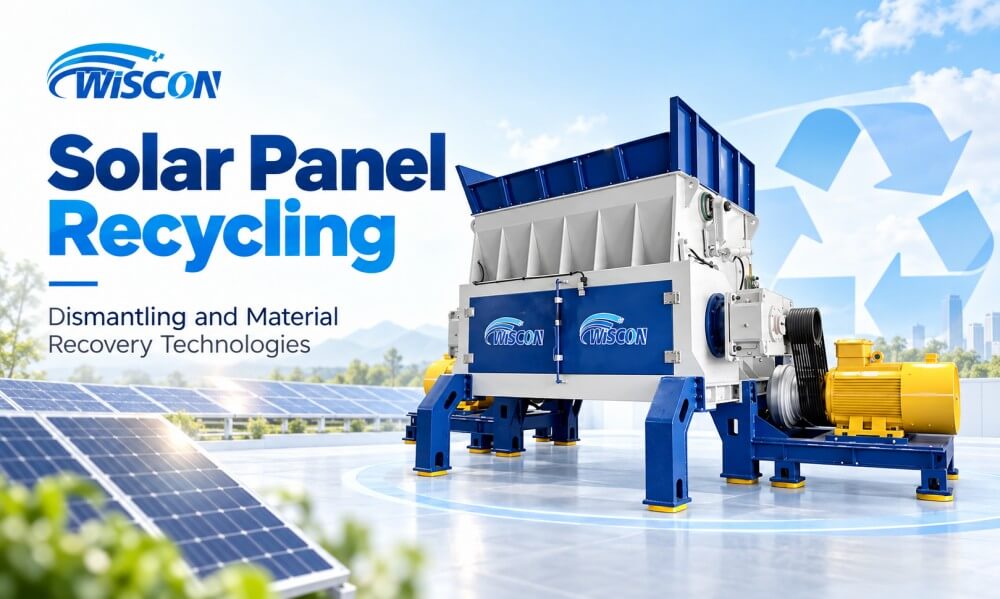
As global solar power installations continue to expand, an increasing number of photovoltaic (PV) modules are approaching the end of their operational lifespan. Solar panel recycling has become an essential part of the renewable energy recycling industry, creating new opportunities…
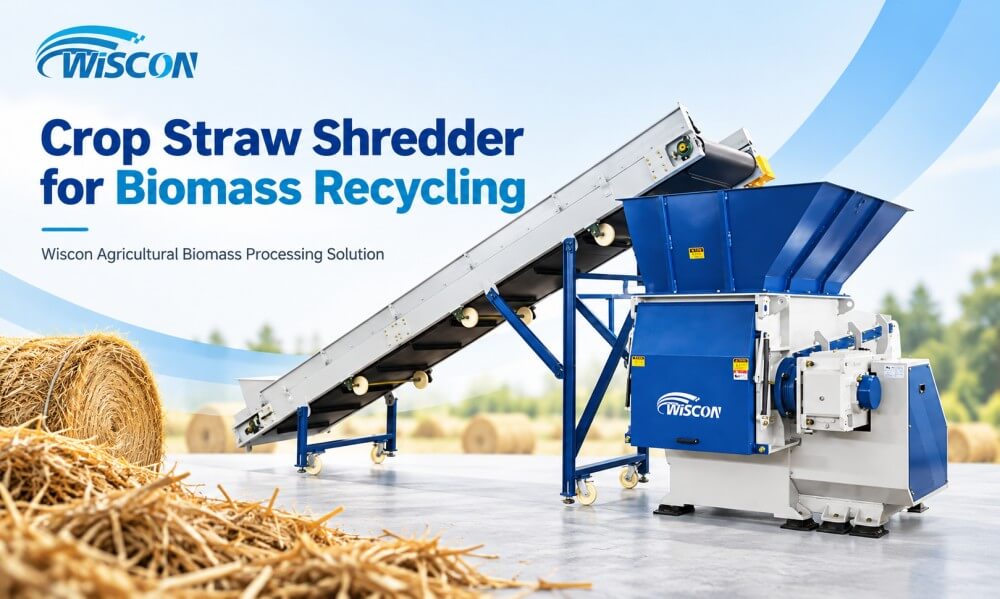
As agricultural production continues to expand, large quantities of crop residues are generated every year, including corn stalks, wheat straw, rice straw and other fibrous biomass materials. For farms, biomass processors and agricultural waste recycling companies, the challenge is no…
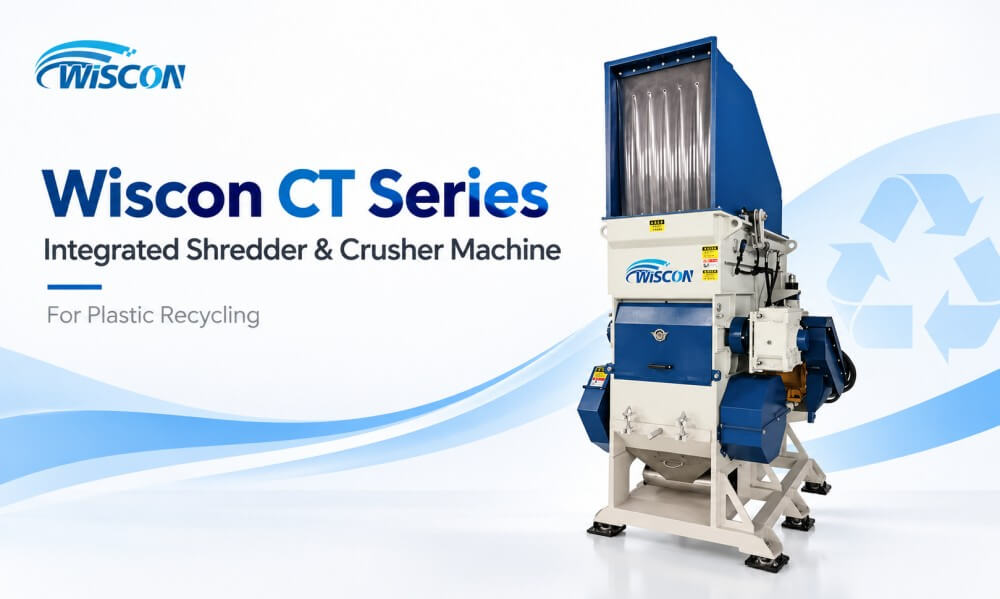
As plastic recycling, industrial waste recovery, and recycled material processing become increasingly automated, recycling companies are paying more attention to how much space, labor, and equipment are required for material size reduction. A conventional recycling line often uses a separate…
Shredding a 200-liter plastic chemical drum may look simple, but in continuous industrial recycling, the real challenge is not whether a shredder can break one drum. The more important question is: Can the shredder continuously grip, feed, and reduce full-size…
Quick Answer: Is Leather Waste Recycling Profitable? Yes, leather waste recycling can be profitable when companies have a stable waste supply, suitable recycling equipment, and reliable markets for recycled materials. However, profitability does not come simply from collecting leather scraps…
When a customer asks for a plastic shredder, many people immediately focus on motor power or shredding capacity. However, for industrial applications, the correct shredder selection depends on much more than output. Material shape, contamination, feeding method, safety requirements, and…
Not everything entering a recycled paper mill becomes pulp. During OCC pulping, screening and cleaning, paper mills continuously generate a complex waste stream containing ragger ropes, plastic films, residual paper fibers, wires, baling straps, rubber, sand and other contaminants. These…
For cement producers, alternative fuels are no longer only an environmental initiative. Rising coal costs, carbon management, waste recovery, and pressure to improve operating efficiency are pushing more plants to evaluate RDF and SRF as long-term substitutes for fossil fuels.…
Blow molding operations generate a steady stream of flash, trimmings, rejected bottles, drums and other hollow plastic parts. Although much of this scrap still has recycling value, its bulky shape and low bulk density can make storage, handling and size…
For manufacturers producing HDPE drums, IBC inner bottles, blow-molded pallets, tanks, and other large hollow plastic products, scrap recycling is often treated as a downstream operation. In practice, however, the recycling system can have a direct impact on raw-material utilization,…
Construction formwork waste is often more difficult to process than ordinary wood scrap. Used plywood, timber boards, beams, and damaged formwork may contain nails, screws, concrete residue, coatings, and other contaminants. For recycling companies, demolition contractors, and wood-processing facilities, choosing…
Purchasing an industrial Trees Shredder is a major decision for wood recyclers, forestry contractors, biomass producers, and municipal green-waste facilities. The machine price is important, but it should not be the only factor considered. A reliable return-on-investment calculation must also include…