A waste plastic washing line is a specialized system designed to process used plastics, effectively removing contaminants and pollutants to prepare the material for reuse. The process typically involves several key steps, including crushing, cleaning, sorting, and drying, each playing an important role in restoring the plastic to a reusable condition.
Step 1: Pretreatment and Initial Crushing
The process begins with pretreatment, where large, complex plastic waste is broken down into smaller pieces. This initial crushing step is vital for reducing the size of the waste, making it easier to handle during the subsequent stages. Using physical methods such as shearing and tearing, large plastic items are turned into smaller flakes or particles, which not only reduces volume but also optimizes efficiency for the next processes.
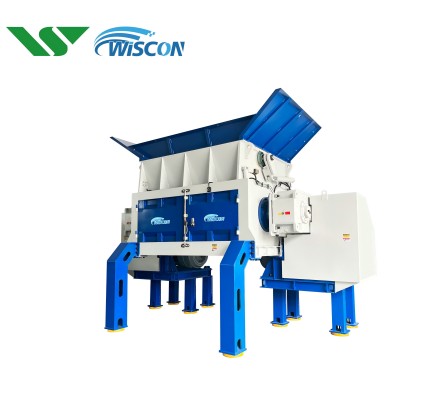
For this stage, high-efficiency shredders or crushers are typically used. One popular choice is the Wisconheavy-duty single-shaft shredder, which is equipped with an extended crushing chamber and a high-speed drive. This shredder is particularly effective at handling large waste materials, achieving outputs of up to 15 tons per hour. It also features an arc-shaped swing arm that ensures stable operation with minimal leakage.
Step 2: Cleaning
Once the plastics are crushed, the next stage involves cleaning. This is a critical part of the process, as it removes any residual dirt, oil, and contaminants from the plastic. A friction cleaning machine, which uses rotating friction wheels, is often employed to scrub the plastic clean. After this step, the plastics are thoroughly cleaned and prepared for drying and further use.
Step 3: Drying
After cleaning, the plastic waste enters the drying phase, where any remaining moisture is completely evaporated. This is typically achieved using a dehydrator. Drying not only makes the plastic easier to store and transport but also significantly enhances its potential for reuse in the recycling process.
Step 4: Final Process and Reuse
Following drying, the processed plastic is now ready to be transformed into valuable resources. The clean plastic flakes or particles can either be sent directly for recycling or used as raw materials in other industrial applications. These materials are highly sought after in various industries, helping to reduce the need for new plastic production and contributing to environmental sustainability.
The Environmental Impact and Future of Waste Plastic Washing Lines
The waste plastic washing line plays a pivotal role in the ongoing efforts to reduce environmental pollution. By turning waste plastics into clean, reusable resources, it supports the concept of recycling and promotes resource efficiency. As technology continues to advance, these systems will become even more importa


 Step 1: Pretreatment and Initial Crushing
 Step 2: Cleaning
 Step 3: Drying
 Step 4: Final Process and Reuse
 What Is the Best Machine for Waste Computer Case Recycling? Twin-Shaft Shredder Explained
 How to Choose the Right Industrial Shredder for an Island Composting Facility
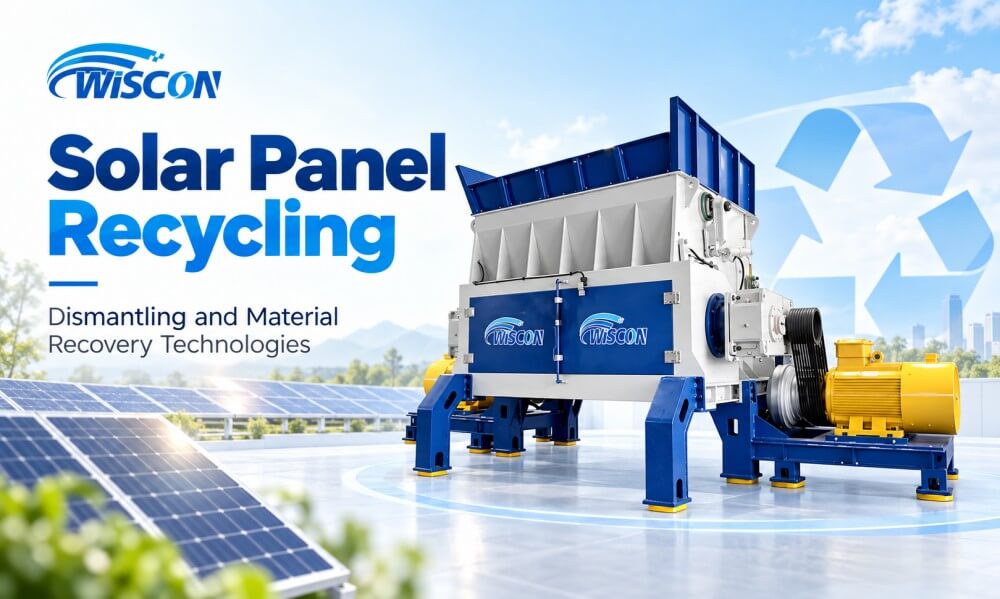 Wind and Solar Recycling: Solar Panel Dismantling and Material Recovery Technologies
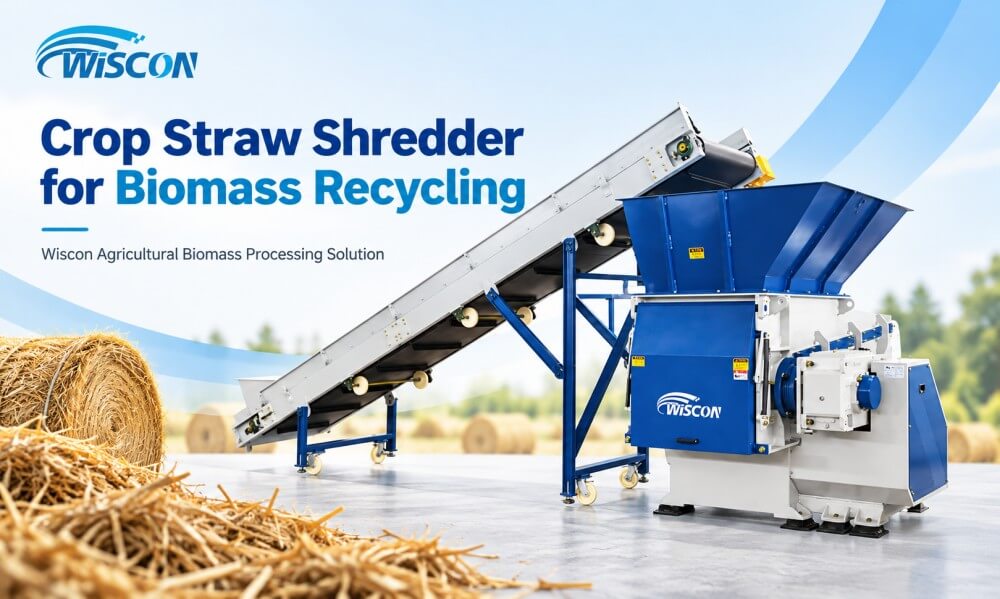 Crop Straw Shredder Supports Efficient Agricultural Biomass Recycling
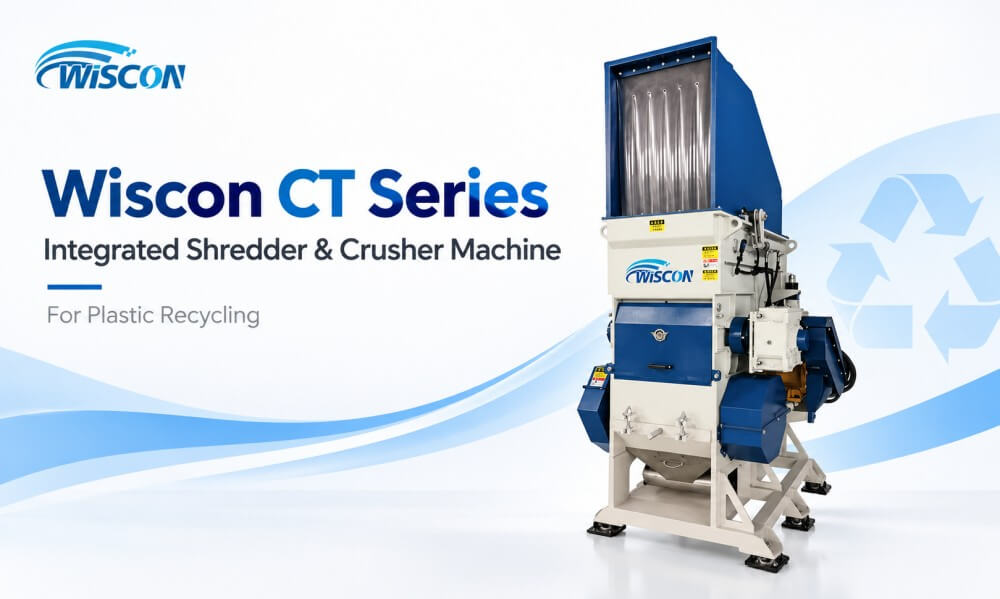 Why Are Integrated Shredder and Crusher Machines Gaining Attention in Solid Waste Recycling?
