As smartphones become increasingly prevalent worldwide, millions of discarded phones are generated every year. These devices contain a variety of recyclable materials, including metals, plastics, glass, and electronic components. To ensure these materials are effectively recycled, shreddersplay a crucial role in the processing of mobile phone waste. This article explores the types of shredders commonly used for mobile phone recycling, their operation, challenges, and the best choices for different materials.
1. The Growing Challenge of Mobile Phone Waste
Every year, over 500 million mobile phones are discarded globally, yet less than 20% of this waste is properly recycled. Mobile phones contain valuable resources, and improper disposal can not only waste these materials but also lead to environmental pollution. Shredders are essential in this recycling process, breaking down old phones into recyclable materials. Choosing the right shredder is vital, as different types are designed to handle different materials effectively.
2. What Makes Up Mobile Phone Waste?
Mobile phone waste is diverse, containing a mix of metals (like aluminum, copper, and steel), plastics, glass, electronic components (such as chips and circuit boards), and batteries, which are typically lithium-based. Metals and plastics are commonly recycled, while glass and electronics are harder to process. The goal of shredding is to separate these materials for efficient recycling, with a special focus on safely handling potentially hazardous lithium batteries, which require careful treatment.
3. How Shredders Work
Shredders are mechanical devices that use rotating blades or rotors to tear materials into smaller pieces through shear, compression, and friction. There are several types of shredders, each designed for different materials:
Single-Axis Shredders: These shredders have a rotating blade shaft and are ideal for softer materials like plastics and paper. In the case of mobile phones, they are effective at breaking down plastic components and certain electronic parts.
Dual-Axis Shredders: With two rotating blades, these shredders generate more force, making them suitable for harder materials, such as metals and glass. For mobile phones, they can handle the metal casings, circuit boards, and glass screens.
Hydraulic Shredders: These shredders use hydraulic pressure, making them particularly effective at safely processing hard materials like lithium batteries, reducing the risk of explosions during shredding.
4. Challenges in Mobile Phone Waste Processing
Processing mobile phone waste presents several challenges, especially when selecting the right shredder:
Mixed Materials: Mobile phones contain a wide variety of materials, each with distinct physical properties. A shredder must be capable of handling this diversity without damaging the materials.
Hazardous Materials: Batteries, especially lithium-ion types, can be dangerous if mishandled. Explosions or leaks are a significant risk during the shredding process.
Effective Sorting: After shredding, separating and recovering recyclable materials efficiently is key. A shredder must be paired with sorting technology to ensure that different materials are extracted for recycling.
5. Types of Shredders for Mobile Phone Waste
Given the complexity of mobile phone waste, it’s crucial to choose the right shredder based on the materials being processed. Here’s an analysis of common shredders for this type of waste:
Single-Axis Shredders: Ideal for soft materials like plastic cases and components. These shredders break down plastics into smaller particles for further processing.
Dual-Axis Shredders: Suitable for harder materials, such as metal and glass. These shredders are effective at breaking down the metal and glass parts of discarded mobile phones, which can then be sorted and recycled.
High-Efficiency Fine Shredders: These machines refine materials into finer pieces, which is especially useful for metals that need a high recovery rate, improving resource extraction efficiency.
Hydraulic Shredders: Essential for handling hazardous materials like lithium batteries. Hydraulic shredders apply high pressure to safely disassemble these batteries and separate harmful substances from recyclable materials.
6. Post-Shredding Treatment of Mobile Phone Waste
After shredding, the next critical step is sorting the materials to ensure efficient recycling. Common sorting methods include:
Magnetic Separation: Using magnets to separate ferrous metals (such as steel) from non-metal materials.
Airflow Sorting: Employing air flow to separate materials of different densities, such as separating lightweight plastics from heavier glass.
Manual and Automatic Sorting: For materials that are difficult to sort, a combination of manual labor and automated technology can improve recycling efficiency.
7. Key Considerations When Selecting a Shredder
When choosing a shredder, several factors should be taken into account:
Processing Capacity: The shredder must be able to handle the volume of waste generated, ensuring efficient operations.
Safety: Given the presence of hazardous materials like lithium batteries, safety features are crucial. Hydraulic and dual-shaft shredders are ideal for minimizing risks during shredding.
Energy Efficiency and Cost: Select shredders that offer high energy efficiency to reduce operating costs over time. High-efficiency shredders reduce energy consumption while enhancing productivity.
8. Future Trends in Shredder Technology
As the demand for recycling mobile phones continues to rise, shredder technology will evolve. Key trends to watch for include:
Intelligence and Automation: Future shredders will incorporate advanced technologies like AI and IoT to monitor and adjust operations in real time, ensuring optimal shredding performance and improving recycling efficiency.
Energy Efficiency: New shredders will focus on reducing energy consumption by utilizing variable frequency motors and energy recovery systems, thus cutting operating costs and environmental impact.
Safety and Environmental Upgrades: Shredders will adopt better safety measures to handle hazardous substances like lithium batteries, including real-time monitoring systems and enhanced safety isolation features. Additionally, advanced air purification systems will be implemented to reduce harmful emissions.
Advanced Sorting Technologies: Future shredders will integrate with more advanced sorting systems, such as optical and magnetic sorting, to maximize the recovery of valuable materials and minimize waste.
Policy and Market Forces: Stricter environmental regulations will influence shredder design and manufacturing. Governments may offer incentives for green technology, boosting demand for efficient, eco-friendly shredders.
Shredders are indispensable in the recycling of mobile phone waste. They help break down phones into recyclable materials and are key to improving resource recovery rates. As technology advances, shredders will become more efficient, intelligent, and safer, playing an even greater role in the global push for sustainability. Recycling companies must consider processing capacity, safety, and energy efficiency when choosing a shredder. By keeping up with technological advancements, the mobile phone recycling industry can contribute significantly to reducing waste and protecting the environment.


 1. The Growing Challenge of Mobile Phone Waste
 5. Types of Shredders for Mobile Phone Waste
 8. Future Trends in Shredder Technology
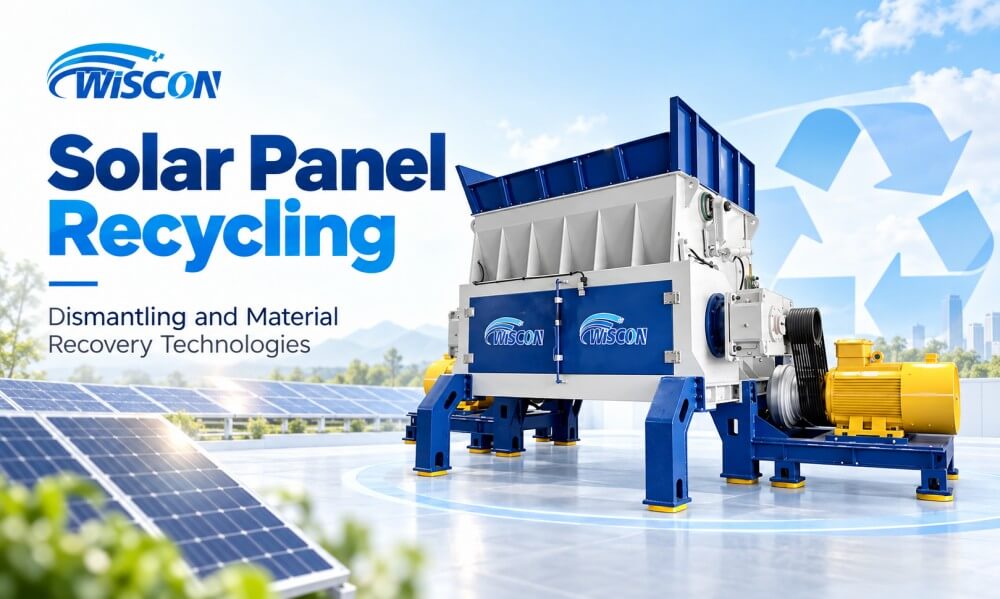 Wind and Solar Recycling: Solar Panel Dismantling and Material Recovery Technologies
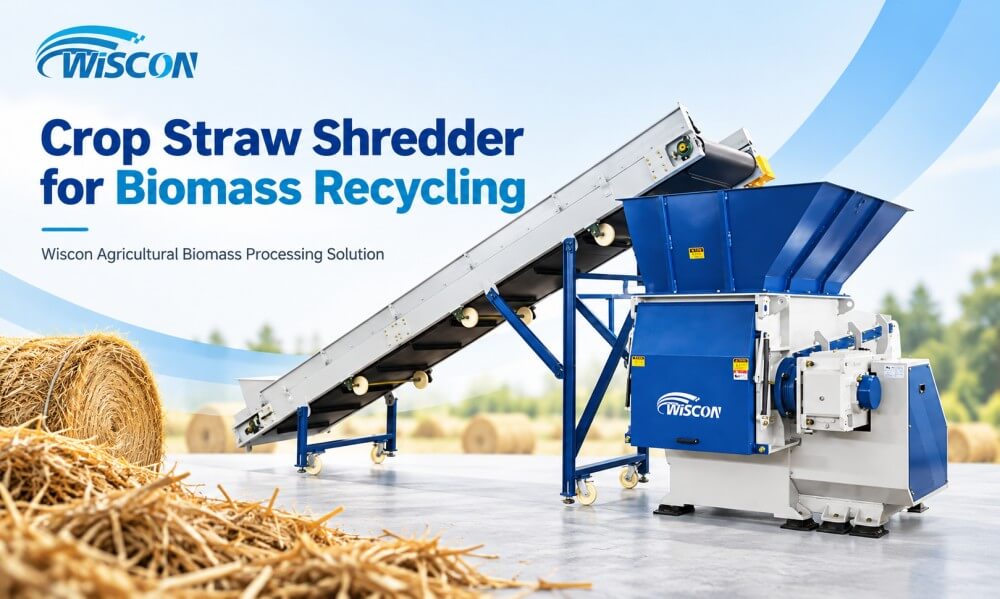 Crop Straw Shredder Supports Efficient Agricultural Biomass Recycling
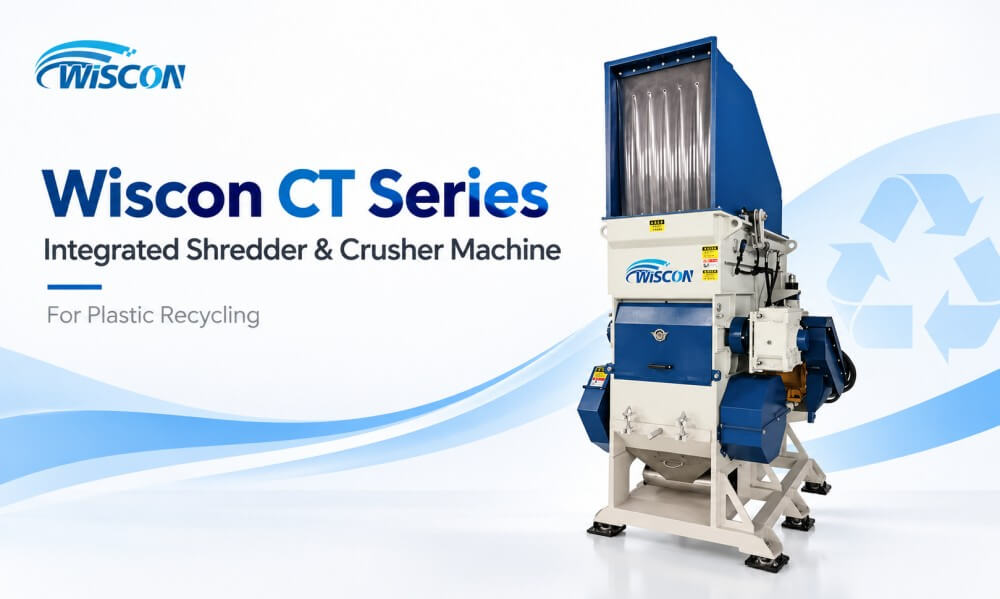 Why Are Integrated Shredder and Crusher Machines Gaining Attention in Solid Waste Recycling?
 200L Plastic Drum Shredder: How to Prevent Jamming and Improve Recycling Efficiency
 Is Leather Waste Recycling Profitable?