The capacity of a double shaft shredder depends largely on its model and build. In general terms, it refers to the maximum volume or weight of materials the shredder can handle at one time.
This capacity is usually indicated by the hopper volume or the dimensions of the feed opening. For example, a typical shredder may offer a hopper size of 1 cubic metre or a feed opening measuring 1,000 mm by 800 mm.
However, real-world capacity also depends on factors like the type, size, and density of the materials being shredded. The power of the motor, blade configuration, and desired output size all influence how much material the machine can effectively process.
For precise information tailored to your requirements, feel free to contact our Wisconteam.
What Can a Double Shaft Shredder Process?
Double–shaft shredders are engineered to handle a wide variety of waste and recycling materials, making them incredibly versatile across multiple industries. Here’s a look at what they can shred:
Plastics: Bottles, containers, packaging film, PVC piping, and more.
Wood: Pallets, furniture, offcuts, tree limbs, and stumps.
Paper & Cardboard: Office paper, cartons, corrugated boxes.
Metals: Some models can process aluminium cans, metal drums, and thin sheets.
Rubber: Tyres, conveyor belts, and rubber scraps.
E-waste: Computers, phones, printers, and other electronics.
Textiles: Clothing, fabric waste, carpets, and other materials.
Organic Waste: Straw, green waste, crop residues, and biomass.
Thanks to their heavy-duty construction, these shredder machines are a go-to solution for many commercial and industrial waste processing needs.
What Is the Output Size After Shredding?
The output size from a double shaft shredder depends on several variables:
Material Type: Softer materials like plastics and textiles tend to break down into smaller, more uniform particles, while harder materials like wood may remain in larger, more irregular chunks.
Shredder Configuration: Blade type, spacing, and chamber design can all affect the final size of the shredded material.
Shredding Stage: Initial shredding often results in coarse material. If finer particles are required, a secondary shredding or screening process is typically used.
In cases where a specific particle size is needed, we can recommend solutions with additional processing or screening stages. Reach out to us with your material specs for a tailored recommendation.
Safety Features of Double Shaft Shredders
Safety is a top priority in the design of every double shaft shredder. While features vary between models, most include:
Protective Guards: Prevent direct access to the cutting chamber during operation.
Emergency Stop Button: A clearly marked switch allows instant shutdown in emergencies.
Overload Protection: Monitors motor load and stops the machine automatically if a jam occurs.
Reversible Blades: Helps clear blockages safely without manual intervention.
Lockout/Tagout Design: Ensures safe maintenance and repair procedures.
Safety Labels: Clear warnings and instructions reduce the risk of operator error.
These features ensure operators remain safe while maintaining efficient performance.
How Durable and Reliable Are These Machines?
Double shaft shredders are built with long-term performance in mind. Here’s what sets ours apart:
Robust Structure: Each machine is engineered for stability and durability, with years of design experience behind it.
Certifications: Our shredders are ISO9001-certified and CE-approved, with multiple national patents to back up our quality.
Premium Components: Blades are made from hardened alloy steel. We use trusted brands like FAG, NSK, Siemens, and Schneider for bearings, motors, and control systems.
Proven Track Record: Widely used by state-owned enterprises, private companies, and global customers across Japan, South Korea, Europe, and the USA.
These features ensure that the machines remain reliable and efficient, even under heavy usage.
Can Double Shaft Shredders Be Customised?
Absolutely. Our shredders can be tailored to meet a wide range of industrial needs:
Chamber Size: Designed to accommodate various material types and volumes.
Blades & Cutting Mechanism: Customised to suit different material densities and desired particle sizes.
Motor Power: Adjustable for specific applications, with high-torque options available.
Automation & Controls: PLC systems, touchscreen controls, and integration with your existing line can all be added.
Safety Additions: Additional guards, remote monitoring, and industry-specific interlocks can be installed.
Feeding & Discharge Systems: Custom conveyors and hoppers ensure seamless material flow.
Our team is happy to work with you on a tailored solution that fits your production needs and site requirements.


 What Can a Double Shaft Shredder Process?
 Safety Features of Double Shaft Shredders
 Can Double Shaft Shredders Be Customised?
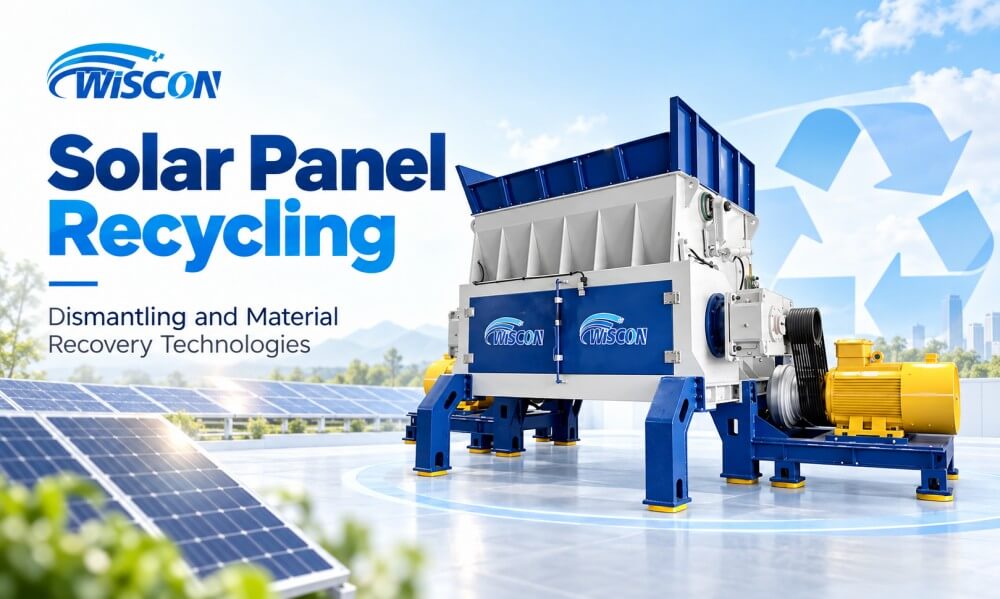 Wind and Solar Recycling: Solar Panel Dismantling and Material Recovery Technologies
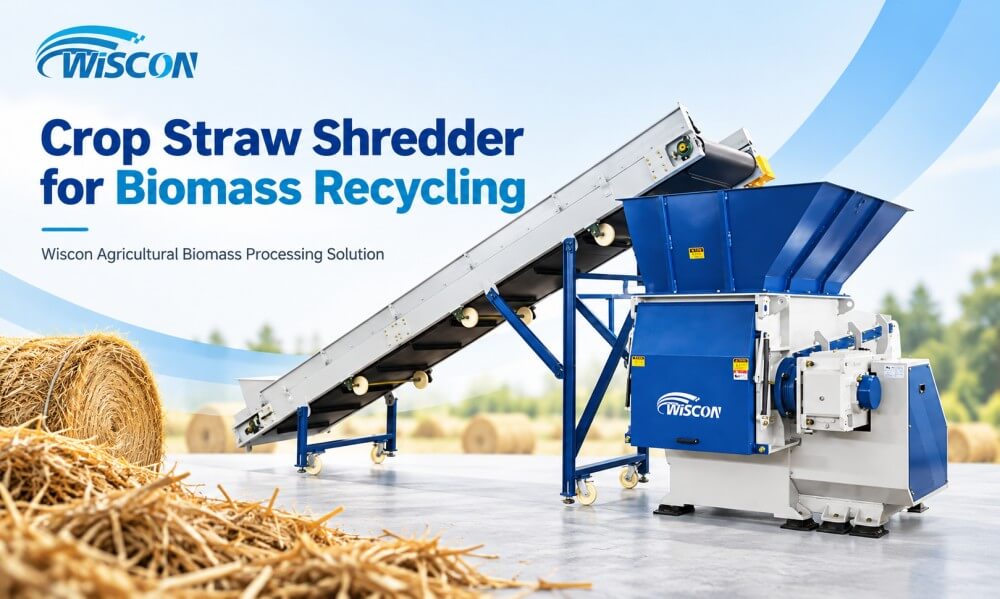 Crop Straw Shredder Supports Efficient Agricultural Biomass Recycling
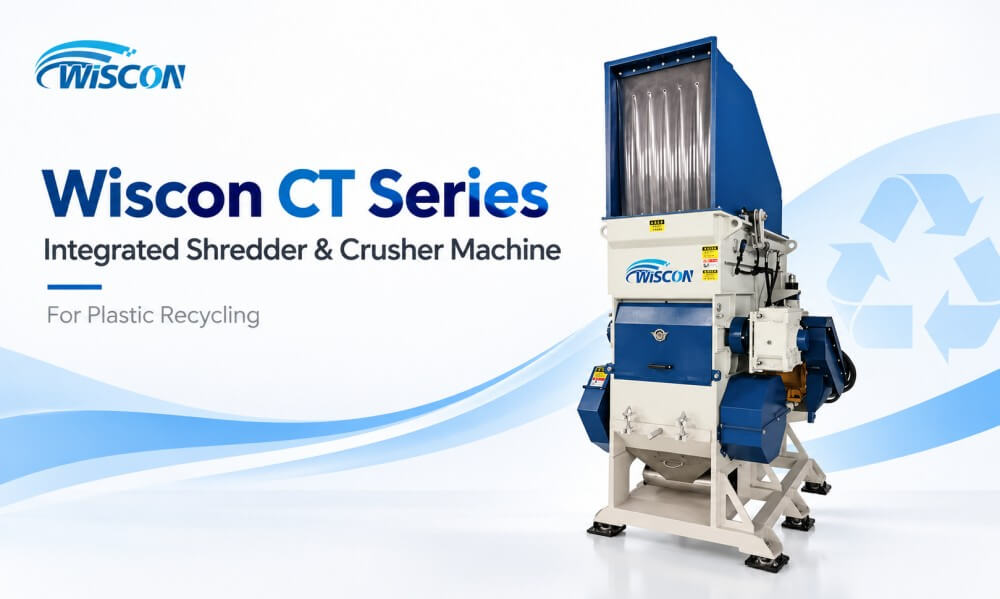 Why Are Integrated Shredder and Crusher Machines Gaining Attention in Solid Waste Recycling?
 200L Plastic Drum Shredder: How to Prevent Jamming and Improve Recycling Efficiency
 Is Leather Waste Recycling Profitable?