1. The Technology Driving Change: How Aluminium Foil Shredders Work
Aluminium Foil Shredders are specialized machines designed to address a unique challenge in metal recycling: processing thin, flexible aluminium foil. Unlike heavier metals such as steel or copper, foil’s lightweight and pliable nature makes it prone to tangling or clogging in standard shredders. These advanced devices, often referred to as Foil Shredders, feature high-torque blades and precision cutting systems that slice foil into small, uniform pieces with remarkable efficiency. For even greater durability and performance, some models, like the Double Shaft Aluminium Foil Shredder, use dual shafts to ensure thorough shredding without jams. The process begins as foil is fed into the shredder, where rotating blades tear it apart, producing fragments ideal for downstream recycling steps like melting or compacting. This technology excels because it’s tailored to foil’s properties, preventing jams and ensuring a smooth workflow. For industries aiming to integrate more metal recycling into their operations, Aluminium Foil Shredders represent a critical leap forward in processing capability.
2. Environmental Impact: Reducing Waste and Carbon Footprint
The environmental case for industrial Aluminium Foil Shredders is compelling. Recycling aluminium already slashes energy use by 95% compared to producing it from raw bauxite, but these shredders amplify this advantage. By reducing foil into smaller pieces, they enable faster, more uniform melting, cutting energy demands further. This efficiency translates into a reduced carbon footprint across the recycling chain—a priority for sustainability-driven industries. Beyond energy savings, Foil Shredders keep vast amounts of foil out of landfills, where it would otherwise linger for centuries. They also conserve natural resources by keeping aluminium in circulation rather than mining new ore. For the plastic industry, which often collaborates with metal recycling efforts, adopting such technologies signals a commitment to broader ecological goals, enhancing overall waste management strategies.
3. Economic Advantages: Cost Savings and Efficiency Gains
From a business perspective, Aluminium Foil Shredders deliver substantial economic benefits. Traditional foil recycling often requires labor-intensive sorting and preparation, driving up operational costs. These shredders, particularly advanced models like the Double Shaft Aluminium Foil Shredder, automate this process, allowing facilities to handle larger volumes with fewer hands on deck. The resulting fragments are easier to transport and store, trimming logistics expenses. Even more compelling is the market value of the output: shredded foil is cleaner and more consistent, fetching premium prices from recyclers. For companies in the plastic sector looking to diversify or optimize waste streams, investing in Foil Shredders offers a dual win—lower costs and higher returns. It’s a practical solution that aligns profitability with sustainable practices, a balance every forward-thinking business seeks.
4. Innovation on the Horizon: Emerging Trends in Shredder Technology
The evolution of Aluminium Foil Shredders is accelerating, fueled by cutting-edge innovations. Automation is a standout trend, with modern Foil Shredders incorporating sensors and AI to adjust operations in real-time, minimizing downtime and maintenance. Energy efficiency is another focus—new designs consume less power while maintaining high output, a nod to global green initiatives. Modular systems are also emerging, allowing shredders to adapt to various materials or upgrade over time. Looking ahead, we might see Double Shaft Aluminium Foil Shredders integrated with data analytics to predict wear and optimize performance. For the plastic industry, these advancements signal a future where recycling technologies are smarter and more versatile, potentially handling hybrid materials or supporting joint plastic-metal recycling efforts.
5. The Bigger Picture: Aluminium Foil Shredders in the Circular Economy
Aluminium Foil Shredders are linchpins in the circular economy, where materials are reused rather than discarded. By transforming foil into recyclable fragments, they enable a closed-loop system—aluminium can be remelted and repurposed endlessly without quality loss. This reduces reliance on virgin resources and curbs waste, aligning with global sustainability targets like the UN’s Sustainable Development Goals. For the plastic industry, which faces similar pressures to minimize waste, Foil Shredders offer a model for circularity that could inspire parallel innovations. As regulations tighten and consumers demand greener practices, these machines position businesses to thrive in a resource-conscious world, bridging metal and plastic recycling into a unified, sustainable future.


 2. Environmental Impact: Reducing Waste and Carbon Footprint
 4. Innovation on the Horizon: Emerging Trends in Shredder Technology
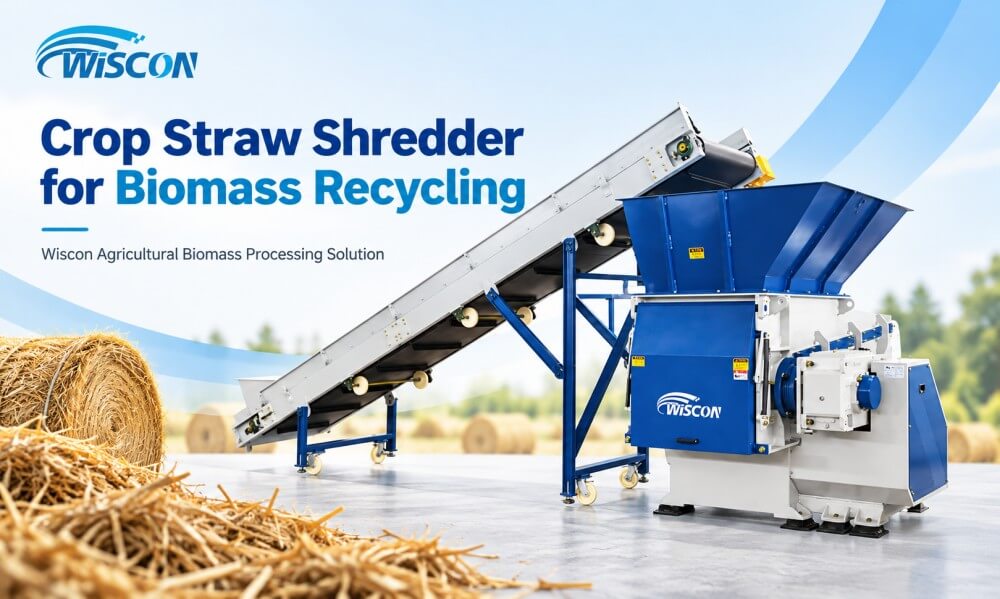 Crop Straw Shredder Supports Efficient Agricultural Biomass Recycling
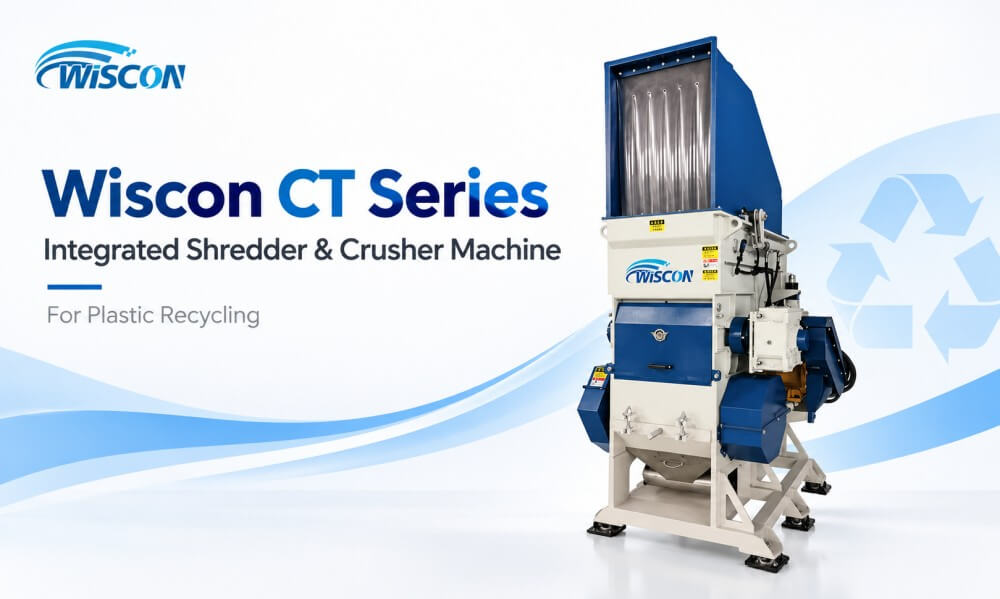 Why Are Integrated Shredder and Crusher Machines Gaining Attention in Solid Waste Recycling?
 200L Plastic Drum Shredder: How to Prevent Jamming and Improve Recycling Efficiency
 Is Leather Waste Recycling Profitable?
 How to Choose the Right Plastic Bucket Shredder for Small-Batch Paint Residue Plastic Recycling?
