Every year, the world uses a staggering 500 billion plastic straws. These single-use items can take up to 200 years to decompose in landfills or oceans, contributing to a growing environmental crisis. Traditional disposal methods, like burning or burying, are not only inefficient but also harmful—they release toxic gases or create microplastic pollution. Fortunately, straw shredder technology is emerging as a game-changing solution, transforming this waste into a valuable resource. Let’s explore the science behind this innovation and how it’s reshaping our approach to plastic waste.
 Why Traditional Plastic Straw Disposal Methods Are Failing Our Environment
Plastic straws are typically made from polypropylene (PP) or polyethylene (PE), which are lightweight and notoriously difficult to recycle. Their small size makes them hard to capture in traditional recycling plants—about 97% slip through the cracks and end up in landfills or oceans. When buried, straws break down into microplastics that seep into ecosystems; when burned, they release cancer-causing chemicals like dioxins. In fact, during the 2019 California Coastal Cleanup, straws accounted for 8% of all plastic waste found in the ocean. It’s clear that our old ways of handling this problem are failing.
How Plastic Straw Shredders Work: The Engineering Behind the Blades
At the heart of plastic straw shredder technology is a dual-shaft shearing system—think of it as a super-powered pair of scissors designed for plastic. One leading manufacturer uses blades made from Cr-Mo-V alloy steel, which are incredibly tough (rated at HRC 62) and can operate for 4,000 hours without dulling. The blades are spaced precisely 0.3 millimeters apart, allowing them to chop straws into tiny 5-10 millimeter pieces without tangling. Plus, smart sensors detect any metal impurities (like foil from wrappers) and automatically shut down the machine to prevent damage. It’s a high-tech solution to a growing problem.
The Physics of Turning Straws into Tiny Fragments
Here’s where the magic happens: as the shredder’s blades spin at 200 to 500 revolutions per minute, they apply a powerful force—between 12 and 15 kilonewtons—to the straws. This force is enough to snap the plastic’s molecular chains without altering its chemical structure. But temperature control is crucial; if the machine gets too hot (over 160°C), the plastic degrades. To avoid this, shredders use a water cooling system to keep temperatures between 70 and 90°C. The result? Tiny fragments with three times more surface area, making them easier to recycle.
 Turning Shredded Straws into Recycled Plastic Pellets
Once shredded, the plastic pieces are cleaned with a special solution to remove ink or residue. They then enter a double-screw extruder, where they’re melted at 220°C and filtered for impurities. The outcome is recycled plastic pellets, which are not only useful but also eco-friendly—producing them cuts carbon emissions by 40% compared to making new plastic, according to data from a Japanese factory. These pellets can be transformed into furniture parts, car interiors, or even mixed with wood fibers to create outdoor flooring. It’s a perfect example of a closed loop: straws become new products.
The Future of Straw Management: AI, Biodegradable Coatings, and More
Innovation doesn’t stop at shredding. Exciting developments are on the horizon:
AI-powered sorting robots use near-infrared technology to identify straw materials with 99% accuracy.
Researchers in the UK have developed a cellulose coating that allows shredded straws to be broken down by microbes in just 48 hours.
Cafes could soon have mini shredders on-site, letting customers recycle straws and earn rewards points.
These advancements point to a future where straw waste is managed efficiently and sustainably.
 A Scientific Revolution in Waste Management
Industrial Straw shredding technology is more than just a machine—it’s a breakthrough in materials science and environmental engineering. By optimizing blade design, temperature control, and recycling processes, we’re turning a tiny, 5-gram straw into a driver of the circular economy. So, the next time you hold a plastic straw, remember: it could be the start of something much bigger—a step toward a cleaner, greener future.


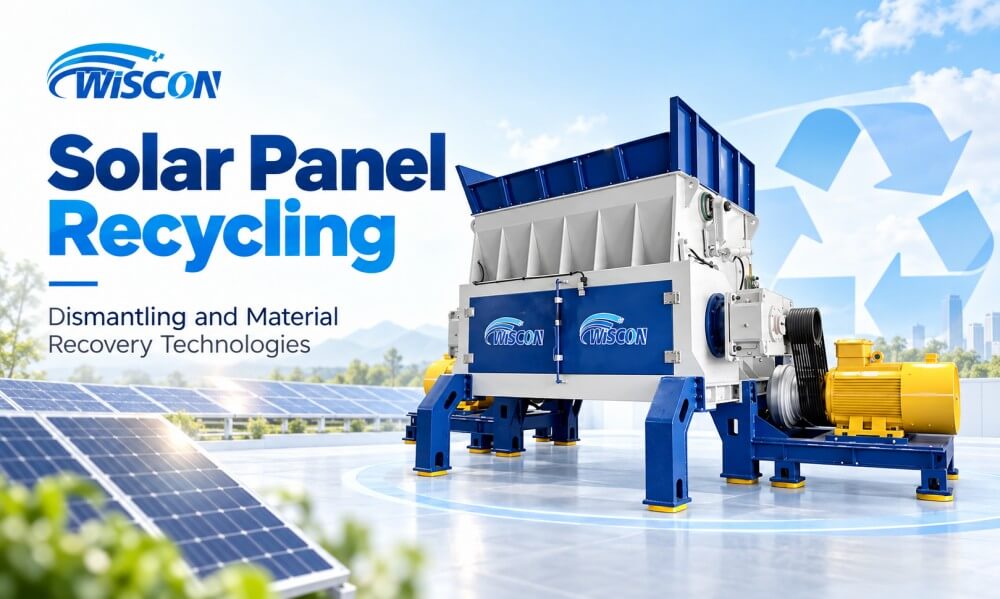 Wind and Solar Recycling: Solar Panel Dismantling and Material Recovery Technologies
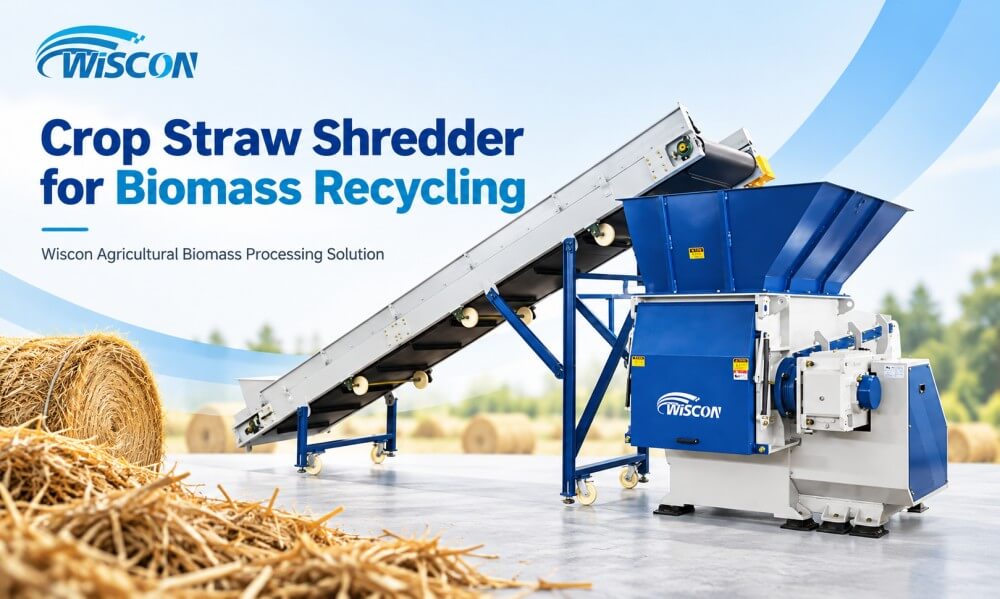 Crop Straw Shredder Supports Efficient Agricultural Biomass Recycling
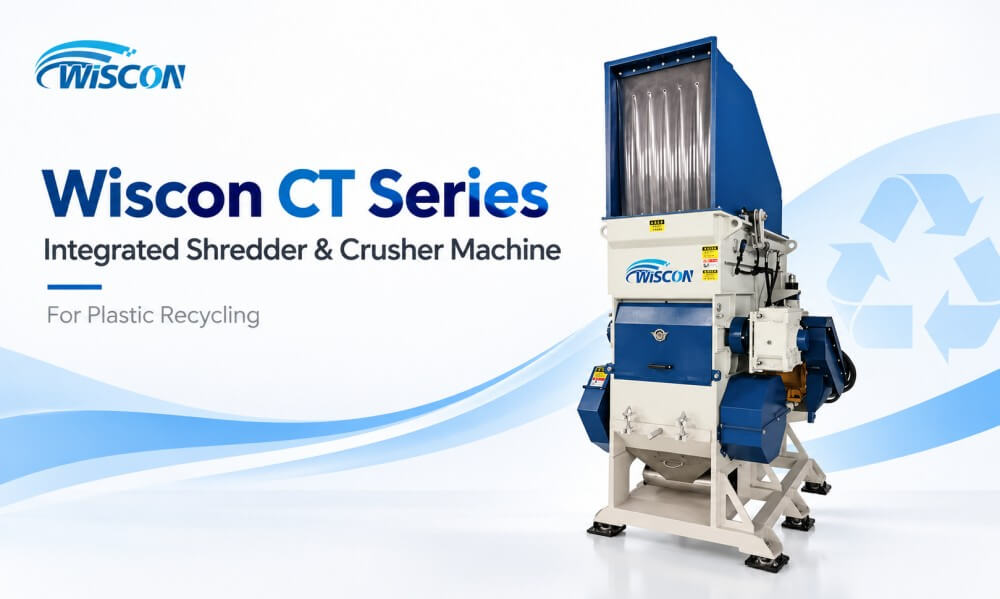 Why Are Integrated Shredder and Crusher Machines Gaining Attention in Solid Waste Recycling?
 200L Plastic Drum Shredder: How to Prevent Jamming and Improve Recycling Efficiency
 Is Leather Waste Recycling Profitable?