1. The Growing Need for Sustainability in Industry
The importance of sustainability in the industrial sector has never been more critical. As global awareness of environmental issues increases, industries are under pressure to reduce their carbon footprints, minimize waste, and adopt more sustainable practices. Plastic waste, in particular, has become a major environmental challenge. With the world producing millions of tons of plastic each year, a significant portion of it ends up in landfills or oceans, harming ecosystems. As industries rely heavily on plastic for packaging, products, and materials, addressing this issue is essential. Plastic recycling manufacturersplay a pivotal role by offering solutions to reduce plastic waste, turn it into reusable material, and help industries become more eco-conscious. By recycling plastics into valuable resources, they enable companies to reduce their dependence on virgin materials, conserve natural resources, and cut down on waste.
2. How Plastic Recycling Manufacturers Contribute to the Circular Economy
The circular economy is a concept that focuses on reusing, repairing, refurbishing, and recycling existing materials as long as possible, creating a closed-loop system where waste is minimized, and resources are conserved. Plastic waste recycling machinery manufacturers are at the heart of this system, ensuring that plastics are given a second life rather than ending up as waste. By turning plastic waste into new products, these manufacturers reduce the need for new plastic production, which is resource-intensive and harmful to the environment. This helps conserve fossil fuels, water, and energy while minimizing pollution. Plastic recycling also reduces the strain on landfills and lowers the environmental impact associated with waste disposal. By supporting a circular economy, plastic recycling manufacturers enable industries to align with more sustainable and resource-efficient practices, ensuring that products and materials are continuously reused, rather than discarded.
3. The Role of Plastic Recycling in Reducing Industrial Waste
In industrial operations, waste management is one of the biggest challenges, with plastic waste being a significant contributor. Industries often generate vast amounts of plastic waste from packaging, parts, and products that are discarded after use. Plastic recycling manufacturers provide an essential solution by processing this waste and turning it into new, usable materials. Rather than sending plastic waste to landfills or incinerating it, recycling manufacturers process it, breaking it down and transforming it into raw materials for new products. This reduces the need for new plastics and diverts waste from polluting the environment. Moreover, reducing industrial waste through plastic recycling also helps companies improve their waste management practices, which can result in lower disposal costs, reduced landfill taxes, and compliance with environmental regulations. For industries looking to enhance their environmental footprint, adopting plastic recycling is a smart and efficient way to cut down on waste and meet sustainability targets.
4. The Environmental Benefits of Plastic Recycling for Industries
Plastic recycling offers numerous environmental benefits that go beyond just reducing waste. One of the key benefits is energy conservation. The production of new plastic from raw materials requires significant energy, whereas recycling plastic typically uses less energy—sometimes as much as 80% less—compared to producing new plastic from scratch. This reduction in energy consumption leads to fewer greenhouse gas emissions, contributing to a cleaner and more sustainable industrial ecosystem. Additionally, plastic recycling reduces the need for extracting and processing natural resources, such as petroleum, which is a primary raw material for plastic production. By lowering the demand for virgin resources, industries can reduce their overall environmental impact and contribute to the conservation of these valuable resources. Plastic recycling also helps reduce the pollution associated with plastic waste, as less plastic ends up in oceans, rivers, and other natural habitats, preventing harm to wildlife and ecosystems.
5. Cost Efficiency and Resource Optimization through Plastic Recycling
While sustainability is a core reason for adopting plastic recycling, cost efficiency is another compelling factor for industries. By partnering with plastic recycling manufacturers, businesses can optimize their resource use and reduce costs associated with raw materials. The price of virgin plastic can be volatile, especially with fluctuating oil prices, making it an expensive and unpredictable resource. Recycling plastics provides a more stable and cost-effective alternative, especially for industries that use plastic extensively in their operations. Furthermore, using recycled plastic often costs less than producing new plastic, as the recycling process requires less energy and fewer raw materials. Over time, companies that embrace plastic recycling can significantly lower their production costs and improve profitability. Additionally, by reducing waste and improving the efficiency of their operations, businesses can avoid penalties or fines related to environmental regulations, leading to even greater cost savings.
6. Technological Innovations in Plastic Recycling
Plastic recycling manufacturers are constantly innovating to improve the recycling process and increase the quality and range of recycled plastic products. Modern technologies, such as advanced sorting systems, chemical recycling methods, and improved shredding techniques, have revolutionized how plastic waste is processed. For example, chemical recycling allows manufacturers to break down plastics into their molecular components, which can then be reused to create new plastic products, even those that were previously considered non-recyclable. This technological advancement expands the possibilities for plastic recycling, making it more efficient and capable of handling a wider variety of plastic types. Innovations like these are helping industries tackle the challenges associated with plastic waste and creating new opportunities for recycling that were once thought impossible. By adopting these advanced technologies, plastic recycling manufacturers help industries meet their sustainability goals and contribute to a more eco-friendly industrial ecosystem.
7. Why Choosing the Right Plastic Recycling Manufacturer Matters
Not all plastic recycling manufacturers are created equal. The quality of the recycled plastic, the efficiency of the recycling process, and the manufacturer’s ability to meet your specific needs can vary significantly from one provider to another. When choosing a plastic recycling manufacturer, it’s essential to consider factors such as the types of plastic they can handle, the technologies they use, their environmental certifications, and their ability to deliver consistent, high-quality recycled materials. Working with a trusted and experienced manufacturer ensures that your business benefits from the highest standards of recycling, reduces risk, and maximizes the value of your waste. A good manufacturer will also provide valuable insights into best practices for waste management and sustainability, helping you develop a strategy that aligns with your company’s environmental and operational goals.
8. The Future of Plastic Recycling in Industry
The future of plastic recycling in industry looks promising, with increasing emphasis on circular economies, sustainable practices, and technological advancements. As demand for recycled plastic rises and industries continue to push for greener solutions, plastic recycling manufacturers like wiscon Envirotech are expected to play an even more crucial role. The development of new technologies, such as biodegradable plastics, hybrid recycling methods, and waste-to-energy systems, will continue to transform the recycling industry. As global regulations tighten and consumer demand for sustainable products grows, industries that rely on plastic will have no choice but to embrace recycling solutions. Companies that adapt early to these changes will not only contribute to environmental protection but also gain a competitive advantage by meeting the expectations of eco-conscious consumers and regulatory bodies. By investing in plastic recycling today, industries are not just helping the planet—they’re positioning themselves for long-term success in a sustainable future.


 2. How Plastic Recycling Manufacturers Contribute to the Circular Economy
 5. Cost Efficiency and Resource Optimization through Plastic Recycling
 7. Why Choosing the Right Plastic Recycling Manufacturer Matters
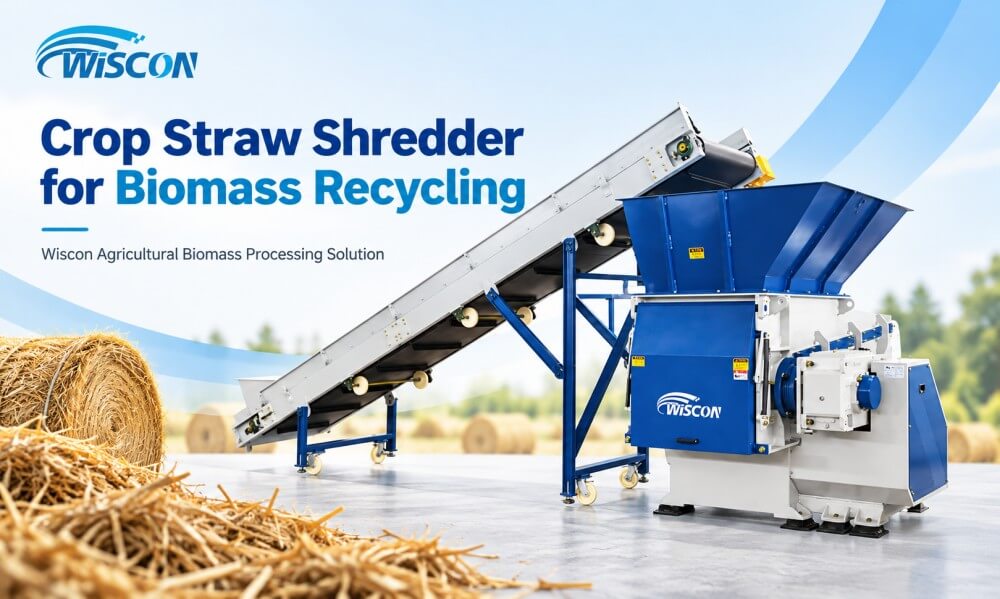 Crop Straw Shredder Supports Efficient Agricultural Biomass Recycling
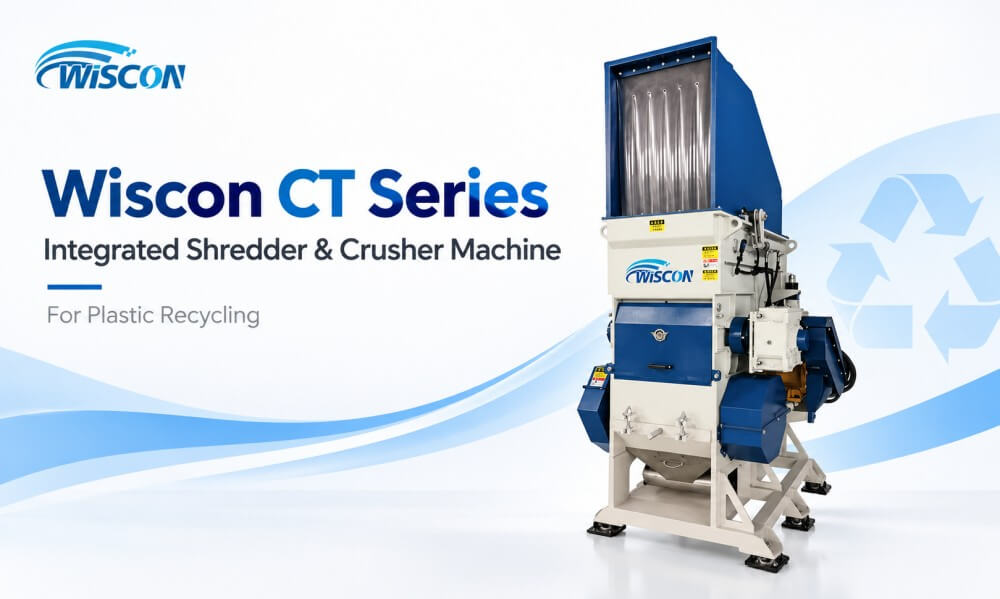 Why Are Integrated Shredder and Crusher Machines Gaining Attention in Solid Waste Recycling?
 200L Plastic Drum Shredder: How to Prevent Jamming and Improve Recycling Efficiency
 Is Leather Waste Recycling Profitable?
 How to Choose the Right Plastic Bucket Shredder for Small-Batch Paint Residue Plastic Recycling?
