Garden waste is often seen as an urban management “burden” — tons of fallen leaves, branches, and pruning debris pile up every year. Traditional landfill disposal takes up valuable land space and can even lead to fires and pollution. However, through modern environmental technologies, these “green wastes” can be converted into efficient biomass fuels, offering a clean energy alternative to coal. Here’s a look at the key processes and technological secrets behind this transformation:
1. Sorting Raw Materials: The Starting Point for High-Energy Fuel
Garden waste is made up of a variety of organic materials, including branches, leaves, and grass. Studies show that branches contain as much as 25%-30% lignin, a crucial component that increases fuel calorific value (up to 3000-5000 kcal/kg). Leaves, due to their loose fibrous structure, need to be mixed with harder branches in specific proportions to optimize combustion performance. Specialized processing plants use vibrating screening equipment to remove impurities like rocks and plastic, ensuring the purity of the raw materials.
2. Shredding and Pre-treatment: Breaking Down the “Hard Core” of Garden Waste
Thick branches with diameters of up to 30 cm require powerful shredders to reduce their size. For example, the Wiscon dual-shaft shredder, featuring imported European alloy blades, operates with a differential rotation system that both cuts and tears the material. This process reduces the material into uniform 40mm pieces. The machine also includes a metal impurity ejection system, protecting the blades from nails and wires, ensuring continuous operation. After shredding, the volume of the material is reduced by 80%, setting the stage for further processing.
3. Drying and Forming: The Secret to Moisture Control and Energy Concentration
After shredding, the moisture content of the material, which ranges from 40%-60%, must be reduced to 10%-15%. The hot air drying technology uses a circulating air flow to remove moisture quickly, achieving five times the efficiency of traditional drying methods. Following this, a high-pressure ring die pellet machine compresses the shredded material into pellets with a diameter of 6-8 cm at pressures of 120-150 MPa. During this process, lignin melts at high temperatures, naturally binding the material without the need for chemical adhesives. In Shijingshan District, some of the high-moisture material is turned into organic fertilizer using membrane aerobic composting technology, promoting resource recycling.
4. Application Scenarios: The Green Revolution from Boilers to Power Plants
The produced biomass fuel pellets are ready for direct use in industrial boilers, power plants, and other energy applications. A case study in Xing County shows that 1 ton of garden waste fuel can replace 0.6 tons of standard coal, with sulfur dioxide emissions reduced to just 1/10 of those from coal burning. The concentration of smoke dust is controlled to below 30 mg/m³. More advanced technologies, such as RDF (Refuse Derived Fuel) production, blend materials like construction waste wood, raising the calorific value to over 4000 kcal/kg, making it a popular alternative fuel for cement kilns.
5. Environmental and Economic Benefits: The Miracle of Carbon Emission Reduction
A full lifecycle carbon footprint analysis shows that using 1 ton of garden waste fuel can reduce carbon dioxide emissions by 2.36 kg equivalent. In Beijing’s Shijingshan District, a demonstration project processes 50% of local garden waste on-site, saving over one million yuan annually in transportation costs. This “decentralized processing + centralized utilization” model is becoming a benchmark for urban green transformation.
The transformation from “green waste” to “green energy” is not only a technological innovation but also an upgrade in ecological thinking. With the maturation of domestic equipment like shredders and intelligent pelletizing machines, the resource utilization of garden waste is entering the scaling phase. In the future, the integration of blockchain technology for carbon footprint tracking and the development of high-calorific mixed fuels could usher in the 2.0 era of biomass energy.


 1. Sorting Raw Materials: The Starting Point for High-Energy Fuel
 3. Drying and Forming: The Secret to Moisture Control and Energy Concentration
 The transformation from “green waste” to “
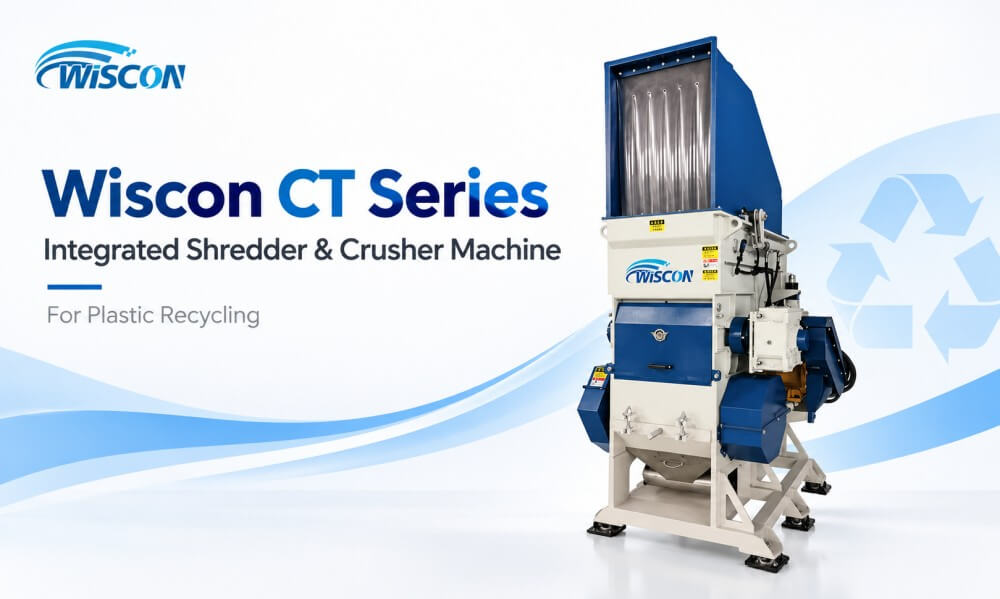 Why Are Integrated Shredder and Crusher Machines Gaining Attention in Solid Waste Recycling?
 200L Plastic Drum Shredder: How to Prevent Jamming and Improve Recycling Efficiency
 Is Leather Waste Recycling Profitable?
 How to Choose the Right Plastic Bucket Shredder for Small-Batch Paint Residue Plastic Recycling?
 Paper Mill Waste Recycling: Turning Paper Mill Rejects into RDF/SRF
