With 35 years of experience in environmental recycling equipment, Wiscon‘ve optimized RDF (Refuse-Derived Fuel) production lines in numerous cement and power projects. RDF adoption is accelerating in high-energy sectors, but market quality varies widely, often leading to equipment corrosion or poor combustion efficiency. Drawing from current industry conditions, I outline practical identification methods across raw materials, processes, testing, and market aspects to help companies avoid pitfalls.
1. Examining Raw Materials: Quality Starts at the Source
High-quality RDF relies on stable, low-impurity feedstocks. Opt for materials with heat values over 4500 kcal/kg, such as waste plastics (e.g., PE, PP) or rubber, for reliable combustion. Steer clear of high-sulfur gypsum boards or heavy metal-contaminated paint buckets, which pose emission hazards. Prioritize dependable suppliers like formal waste sorting centers or recycling firms for consistent supply.
Common pitfalls include bargain “mixed wastes” laced with low-heat biomass like food scraps, resulting in unstable output. Be wary of unsorted plastics containing PVC, which releases corrosive hydrogen chloride and toxic gases. During inspections, sample raw material compositions to confirm no hazardous contaminants.
Superior RDF requires thorough sorting, uniform shredding, and adequate drying. Use trommel screens or air separators to remove metals and stones, keeping ash below 20%. Particle sizes should range 50-100mm for even burning; moisture under 10% prevents conveyance blockages.
Frequent flaws in subpar processes: Basic sorting skips advanced equipment, causing high ash and inefficiencies; simple shredders produce oversized particles, destabilizing furnace operations. When assessing, check for magnetic or eddy current separators as indicators of professional setups.
3. Conducting Tests: Three Steps for Rapid Verification
Heat Value Assessment: For a quick check, ignite a sample with an alcohol lamp and note flame duration and minimal residue; demand third-party reports ensuring at least 3500 kcal/kg.
Chlorine Content Screening: Test with chloride ion strips—if color deepens beyond 0.5%, flag as risky for corrosion and dioxin formation.
Physical Inspection: Visually confirm uniform color (avoid blackened carbon residues); feel for no sharp objects, with good flow and no clumping.
These on-site techniques, paired with reports, validate authenticity.
4. Market Insights and Procurement Strategies
RDF faces pressure from falling coal prices (thermal coal at 600-700 yuan/ton), eroding cost advantages and forcing some small plants to close or cut corners, like substituting construction debris for industrial waste. Only 30% of regions have quality standards, with inconsistent testing methods fueling disorder.
Procurement tips: Favor leading manufacturers with core equipment like high-pressure extruders. Draft contracts specifying heat value, chlorine limits (<1%), and penalties for breaches. Visit sites to inspect sorting and shredding lines for compliant sizing. Align with national standards, such as those for solid waste resource products, and select certified options.
The RDF sector is undergoing consolidation amid challenges. Companies must emphasize source control and testing to drive standardization. Only premium fuels can enable green transitions and shed the “low-end” stigma. In practice, integrate equipment compatibility trials for sustained benefits.


 1. Examining Raw Materials: Quality Starts at the Source
 3. Conducting Tests: Three Steps for Rapid Verification
 The RDF sector is undergoing consolidation amid challenges. Companies must emphasize source control and testing to drive standardization. Only premium fuels can enable green transitions and shed the “low-end” stigma. In practice, integrate equipment compatibility trials for sustained benefits.
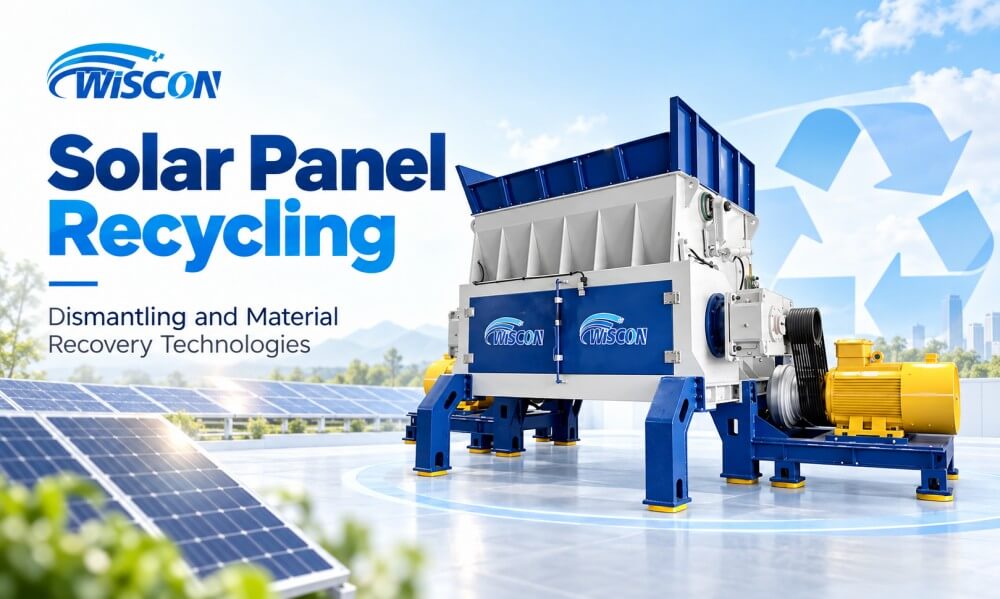 Wind and Solar Recycling: Solar Panel Dismantling and Material Recovery Technologies
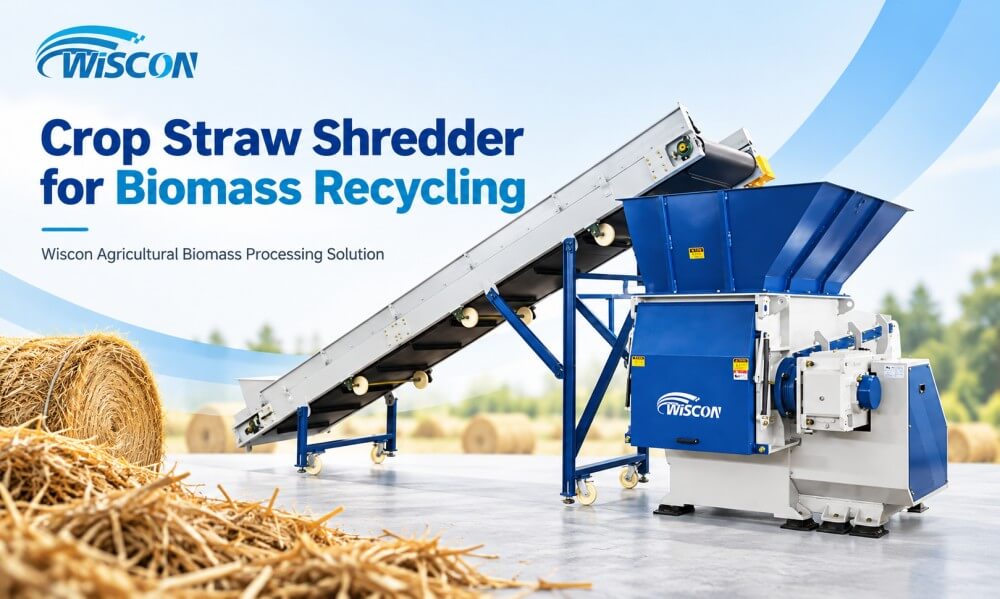 Crop Straw Shredder Supports Efficient Agricultural Biomass Recycling
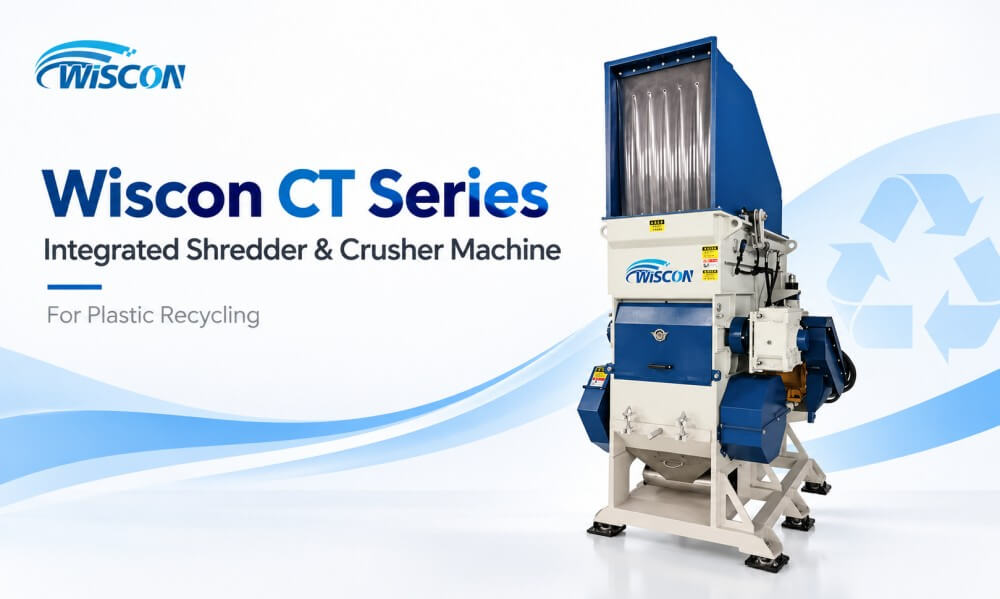 Why Are Integrated Shredder and Crusher Machines Gaining Attention in Solid Waste Recycling?
 200L Plastic Drum Shredder: How to Prevent Jamming and Improve Recycling Efficiency
 Is Leather Waste Recycling Profitable?