Waste tires are a stubborn solid-waste stream. Left in open piles, they can leach contaminants into soil and groundwater and present serious fire hazards—hence the industry nickname, “black pollution.” The challenge is global and growing. In China alone, industry estimates suggest that around 370 million waste tires—roughly 16.4 million tonnes—were generated in 2024. Beyond the land they occupy, poor handling wastes recoverable materials and threatens public safety. The solution is scientific, compliant recycling that converts end-of-life tires into usable products and energy.
Two proven recycling pathways
1) Tire pyrolysis (energy recovery)
After pre-shredding (often to ~50 mm pieces using single/dual-shaft shredders and screening), tire chips enter an oxygen-free, high-temperature reactor. Inside, the rubber decomposes into:
Pyrolysis oil (a substitute feedstock that can be further refined)
Recovered carbon black (rCB)
Syngas (often used on-site to heat the system)
Pyrolysis can dramatically shrink tire stockpiles while yielding energy-rich outputs. Success depends on feedstock control, emissions management (condensation, scrubbing, odor control), and a reliable offtake for oil and rCB.
2) Mechanical recycling (material recovery)
This route focuses on materials, not fuel. After initial shredding:
Steel is removed with dedicated separators and returned to the metals supply chain.
Rubber passes through granulators and mills to produce crumb rubber or rubber powder in precise sizes.
These outputs go into modified asphalt (rubberized bitumen), molded rubber goods, playground and sports infill, flooring, and in some cases tire retreading. Mechanical lines are modular and can scale from regional centers to large industrial plants.
Picking the right route (or a hybrid)
Your best option depends on:
End markets: Local demand for pyrolysis oil, rCB, crumb rubber, or powder
Regulatory standards: Air, water, noise, and odor compliance requirements
Economics: Capex/opex, labor, energy prices, and logistics
Feedstock quality: Passenger vs. truck tires, contamination, and moisture
Many operators build hybrid systems—for example, mechanical lines that sell clean steel and sized rubber, alongside pyrolysis capacity to monetize chips that don’t meet granulation specs.
Implementation with compliance in mind
Regardless of the technology, modern plants prioritize:
Traceable sourcing and storage to reduce fire risk and runoff
Emissions control (condensers, scrubbers, dust capture)
Quality systems for stable product grading (mesh size, ash, sulfur)
Operator training and maintenance to protect uptime and safety
How we help
At Wison, we design and supply turnkey tire-recycling lines—from shredding and steel separation to fine granulation and pyrolysis. Our team supports process selection, layout, emissions compliance, commissioning, and optimization. If you’re evaluating routes or equipment, get in touch to visit a demo site or talk through your feedstock and target markets.


 Two proven recycling pathways
 Implementation with compliance in mind
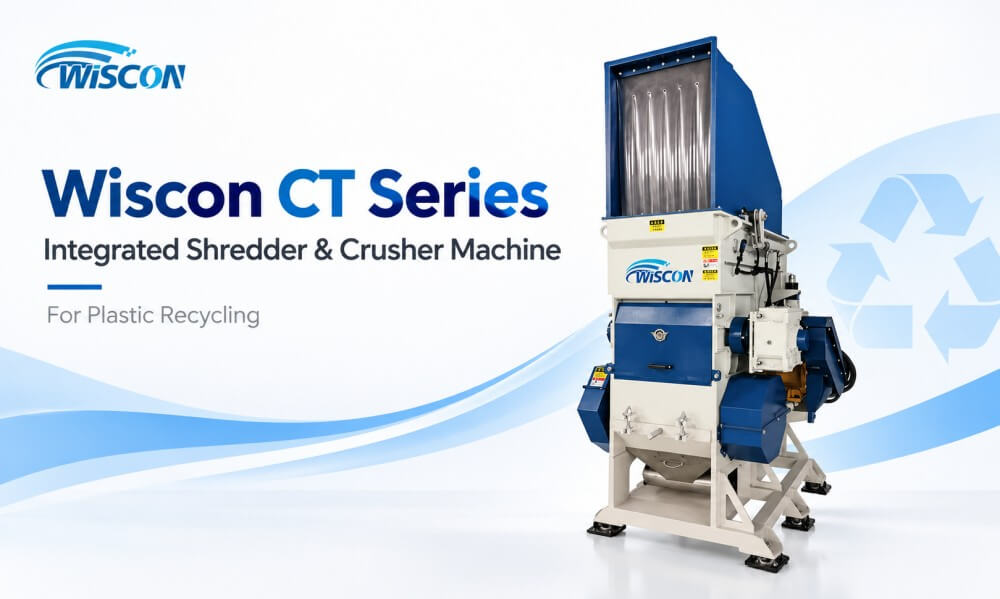 Why Are Integrated Shredder and Crusher Machines Gaining Attention in Solid Waste Recycling?
 200L Plastic Drum Shredder: How to Prevent Jamming and Improve Recycling Efficiency
 Is Leather Waste Recycling Profitable?
 How to Choose the Right Plastic Bucket Shredder for Small-Batch Paint Residue Plastic Recycling?
 Paper Mill Waste Recycling: Turning Paper Mill Rejects into RDF/SRF
