When abandoned sofas block stairways and discarded mattresses pile up at waste stations, traditional disposal methods like incineration and landfills are not only inefficient but also harmful to the environment. These practices waste valuable land resources and release dangerous toxins such as dioxins. However, a new technology in bulk waste shredders, featuring a hydraulic dual-shaft blade system, is changing the way we handle urban solid waste.
Technological Innovation: The Power of Precision Algorithms
The key to the shredder’s success lies in its 180mm-thick CrNiMo alloy blades, which operate with precision. Equipped with a dynamic stress-sensing system, the machine automatically adjusts the rotation speed (ranging from 0 to 25 rpm) and feeding rates to optimize performance. Despite shredding tough materials like mattress springs and wooden frames, it maintains a noise level below 75 dB – comparable to a vacuum cleaner. A recycling facility in Nanjing has seen a remarkable 89% reduction in PM2.5 levels compared to traditional shredding, thanks to an integrated negative-pressure dust removal system.
Environmental Impact: From Landfills to Carbon Offsetting
A 132 kWsingle shredder processing 2,000 tons of bulk waste annually can achieve significant environmental benefits:
6 acres of landfill space saved (with a 2m stacking height)
540 tons of iron ore replaced through metal recovery
480 tons of CO₂ emissions offset, as certified by Germany’s TÜV
In Shenzhen’s Longgang project, wood scraps are converted into biomass fuel, generating over ¥3 million annually. These statistics highlight the shredder’s vital role in reducing landfill usage and promoting sustainable recycling efforts.
Transforming Waste into Valuable Resources
The shredded materials find high-value uses across various industries:
Sofa foam is repurposed into automotive soundproofing (with a melt flow index of ≥12g/10min)
Wardrobe wood is turned into OSB boards (with formaldehyde emissions ≤0.02mg/m³)
Metal springs are processed into steelmaking additives (with a recovery rate of 91.7%)
In Shanghai, a company is even turning leather scraps into cushioning pellets for soccer fields, increasing their profits by 22%. This transformation of waste into valuable products is redefining the economic potential of recycling.
Global Perspectives: German Power vs. Japanese Precision
In Munich, twin-shaft shreddersbreak down vehicle shells in just 30 seconds with 8,000 kN of force. Meanwhile, in Tokyo, Olympic contractors used cryogenic shredding (-35°C) to convert plastic seats into high-quality construction aggregate, with each ton of recycled building material reducing embodied carbon by 62%. Both approaches demonstrate the global commitment to innovative recycling methods, each pushing the boundaries of what’s possible.
The Future of Waste Management: The “Uberization” of Recycling
In Hangzhou, an AI-driven pre-dismantling system uses image recognition to identify hazardous items, such as lithium batteries, improving safety and reducing equipment failure by 37%. What’s more, a cloud-based dispatch platform assigns shredders to communities based on waste levels, cutting transportation energy consumption by 19%. This emerging system is reminiscent of the ride-hailing industry, signaling the future of urban solid waste management as we know it.
A Greener, More Efficient Future
As bulk waste shredders continue to evolve, they are not only improving the efficiency of waste management but also contributing to a greener economy. By turning waste into valuable resources and significantly reducing environmental impact, these machines are paving the way for a more sustainable future in urban waste recycling. The future is clear: with innovation at the forefront, we are entering a new era of waste management that benefits both the environment and the economy.


 Technological Innovation: The Power of Precision Algorithms
 Transforming Waste into Valuable Resources
 The Future of Waste Management: The “Uberization” of Recycling
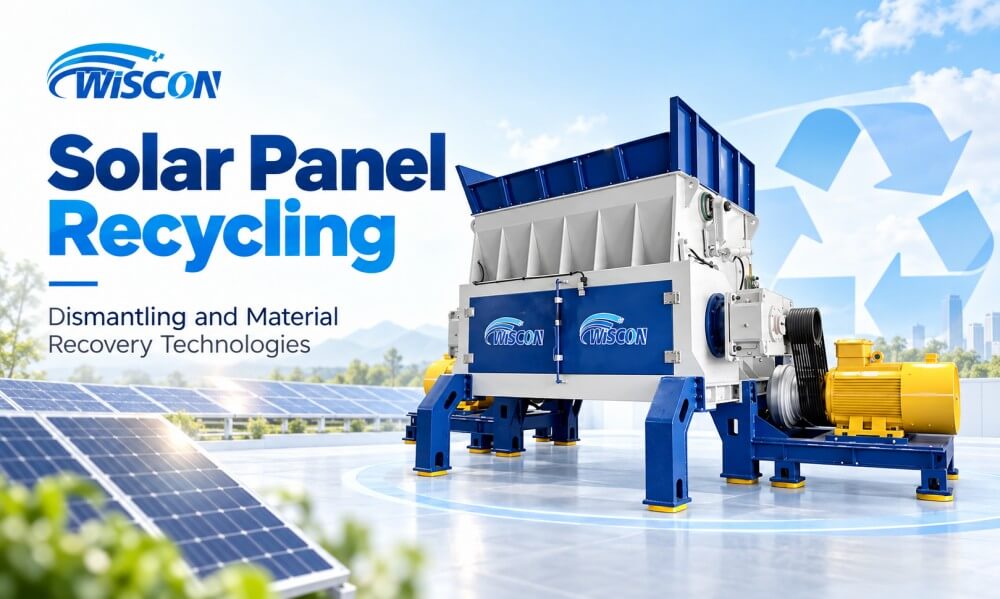 Wind and Solar Recycling: Solar Panel Dismantling and Material Recovery Technologies
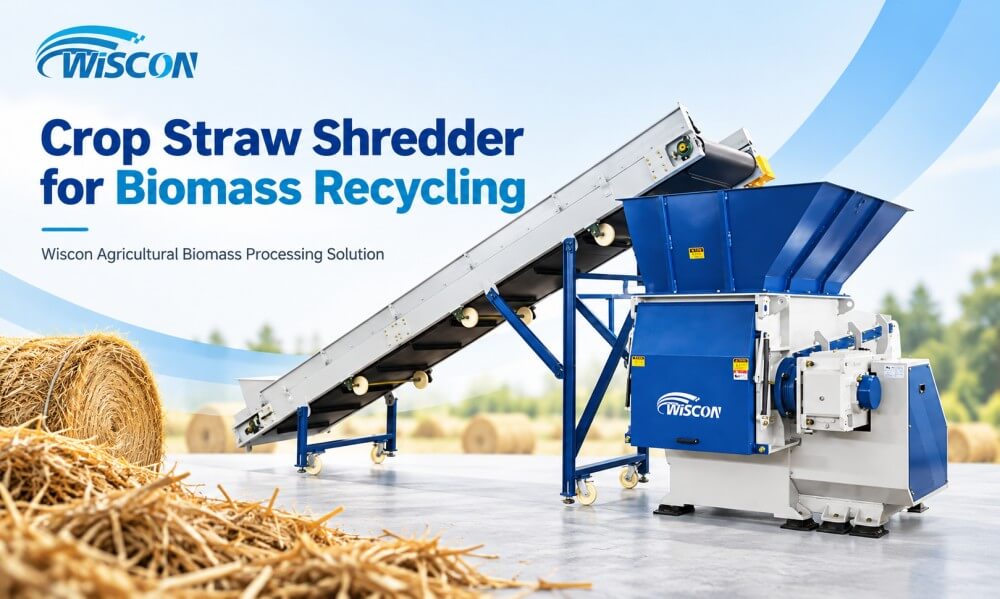 Crop Straw Shredder Supports Efficient Agricultural Biomass Recycling
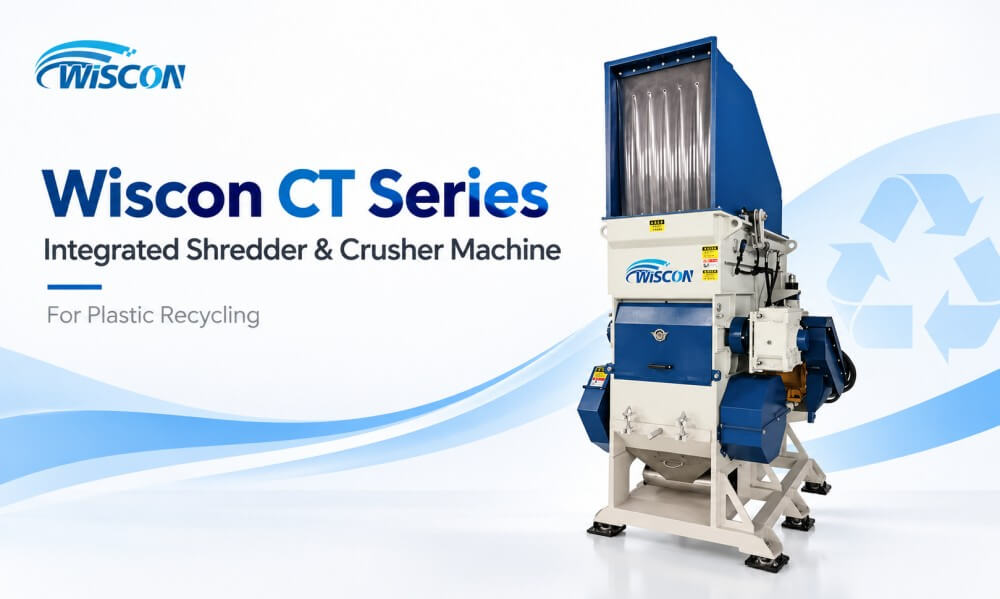 Why Are Integrated Shredder and Crusher Machines Gaining Attention in Solid Waste Recycling?
 200L Plastic Drum Shredder: How to Prevent Jamming and Improve Recycling Efficiency
 Is Leather Waste Recycling Profitable?