Finding a good industrial plastic shredderrequires evaluating your specific needs and matching them to the right machine. Here’s a practical guide to help you:
Define Your Requirements:
Material Type: Identify the plastics you’ll shred (e.g., PET bottles, HDPE pipes, PP film, or mixed waste). Hard, thick plastics need more power than soft films.
Volume: Estimate how much you’ll process daily (e.g., 100 kg/hour or 10tons/hour). This determines the shredder’s capacity.
Output Size: Decide if you need coarse strips (e.g., 20-50 mm) for fuel or fine granules (e.g., 4-10 mm) for recycling.
Choose the Right Shredder Type:
Single-Shaft: Best for high-volume, uniform materials like pipes or purgings; offers precise cuts but less versatility.
Dual-Shaft: Handles bulky, irregular items (e.g., drums, crates) with high torque; good for mixed waste.
Four-Shaft: Ideal for tough, fibrous plastics (e.g., ropes, supersacks) or when you need consistent small particles in one pass.
Granulators: Add as a second stage for finer output if needed.
Key Specs to Check:
Power: Harder plastics (e.g., ABS, PC) need higher horsepower (20-50 HP or more) than softer ones (e.g., PE film, 10-20 HP).
Throughput: Match the shredder’s capacity (kg/hour) to your volume. A 500 kg/hour machine suits medium-scale operations.
Rotor Design: Look for adjustable or interchangeable rotors for flexibility. V-shaped or staggered blades handle diverse materials better.
Screen Size: Controls particle size; smaller holes (e.g., 10 mm) mean finer output but slower processing.
Durability and Maintenance:
Build Quality: Steel frames and hardened blades (e.g., D2 or SKD-11 steel) last longer under heavy use.
Ease of Maintenance: Check access to blades for sharpening/replacement and availability of spare parts. Downtime costs money.
Anti-Jam Features: Hydraulic pushers or auto-reverse prevent clogs, especially with sticky plastics.
Budget and Cost:
New: $10,000-$500,000+ depending on size and features (e.g., a Wiscon shredder costs ~$15,000).
Used: $5,000-$15,000 from dealers, but verify condition and warranty.
Reputable Brands:Wiscon,Vecoplan, Shred-Tech, Weima, or Lindner offer proven industrial models.
Reviews: Look at user feedback on throughput, reliability, and service (e.g., via forums or industry sites).
Demos: Request material trials or videos from manufacturers to see your plastics shredded.
Additional Considerations:
Mobility: Portable units (e.g., Pronar) work for multiple sites; stationary ones suit fixed plants.
Noise: Low-speed shredders (200-400 RPM) are quieter (~70-80 dB) than high-speed ones (~90+ dB).
Safety: Ensure CE certification, emergency stops, and hopper guards.
Quick Tip: For a mid-sized recycling operation (e.g., 300-500 kg/hour of mixed plastics), a dual-shaft shredder with 30 HP, a 40 mm screen, and anti-jam features (around $15,000-$25,000) is a versatile starting point. Contact shredder suppliers like Wiscon for quotes, and ask about customization.


 Define Your Requirements:
 Durability and Maintenance:
 Additional Considerations:
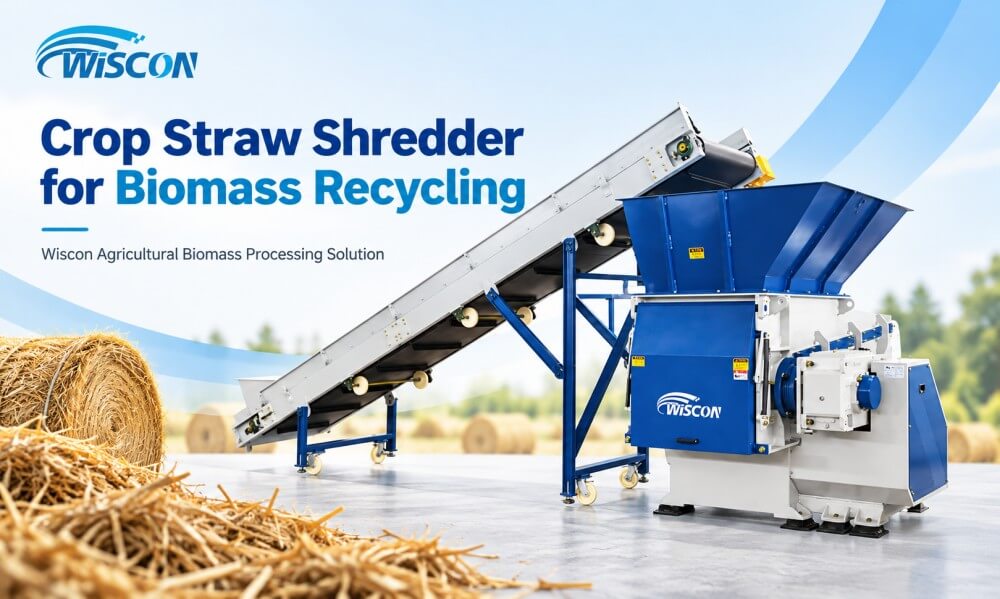 Crop Straw Shredder Supports Efficient Agricultural Biomass Recycling
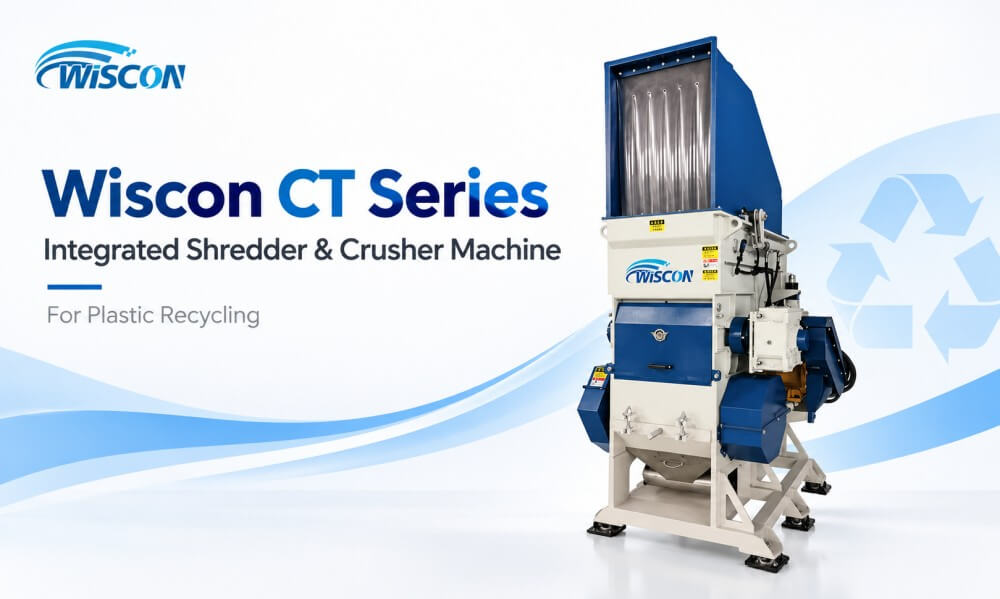 Why Are Integrated Shredder and Crusher Machines Gaining Attention in Solid Waste Recycling?
 200L Plastic Drum Shredder: How to Prevent Jamming and Improve Recycling Efficiency
 Is Leather Waste Recycling Profitable?
 How to Choose the Right Plastic Bucket Shredder for Small-Batch Paint Residue Plastic Recycling?
