A lithium-ion battery recycling line is not a single machine—it’s a complete, coordinated system. When the stages are correctly matched, plants typically see higher recovery rates, fewer safety incidents, and more consistent output quality.
Below is a practical breakdown of how a standard recycling line is structured, what each stage is meant to achieve, and which equipment is commonly used.
 1) Safety Pretreatment
Lithium-ion batteries often contain residual charge and can create serious hazards during handling, cutting, or crushing. Issues like short circuits, thermal runaway, dust ignition, and off-gas release frequently trace back to weak pretreatment design.
Common pretreatment equipment
Discharge / de-energizing systems
Lower battery voltage before any mechanical processing starts.
Disassembly and grading (optional)
For packs and modules, staged dismantling improves control and keeps the downstream process more stable.
Inerting and fire protection integration (optional)
Added depending on risk assessment, local standards, and the chosen recycling route.
Dust collection and off-gas treatment systems
Core safety and compliance systems—not optional extras.
Practical note: Designing dust and vapor control from day one is usually the most cost-effective approach. Retrofitting after commissioning often costs more and disrupts production.
2) Crushing and Liberation
This stage is where recycling performance is often “won or lost.” The goal isn’t just size reduction—it’s liberation, meaning:
separating copper and aluminum foils
breaking apart casings and plastics
freeing active-material powder (“black mass”) from the battery structure
If liberation is poor, sorting becomes messy and downstream recovery typically gets more expensive.
Primary shredder / crusher
First-stage reduction to ensure stable feeding and reduce shock loads on downstream equipment.
Many lines use a hammer mill when stronger separation is needed for foils, coatings, and layered structures.
How it works (simple view):
Material enters a chamber with fast-rotating hammers.
Repeated impact + tearing action helps delaminate layered parts (foils + coatings).
Internal collisions and friction improve separation until the target size is reached.
What matters most when selecting a hammer mill:
hammer design and wear material matched to the feedstock
rotor balance (stability, bearing life, vibration control)
wear liners and easy maintenance access (quick-change parts reduce downtime)
dust and airflow control, which affects both safety and sorting performance
3) Sorting and Upgrading
After crushing, the output is usually a mixed stream: steel, copper, aluminum, plastics/separator fragments, and black mass. The sorting section turns that mix into cleaner, saleable fractions and improves black mass grade for recovery.
Common sorting equipment
Screening / sieving systems
Often first—separates fine powder (black mass) from larger pieces.
Magnetic separators
Remove ferrous metals (steel) and protect downstream machines.
Air separation / air classifiers
Separate light fractions (plastics, separator film) from heavier metals.
Eddy current separators (optional)
Useful for Cu/Al separation when particle size is within the effective range.
Reminder: Sorting works best when it’s designed around your final products. Adding more machines does not automatically improve purity.
 4) Metallurgical Extraction and Recovery (Black Mass Processing)
Once black mass reaches the required grade, it can be processed via different recovery routes. Many projects use hydrometallurgy, sometimes combined with electrochemical steps depending on product targets, local regulations, and economics.
Typical recovery equipment
Leaching reactors and dosing systems
Controlled agitation, temperature, and chemical addition.
Solid–liquid separation
Filter presses, filtration units, or centrifuges to separate residues from solutions.
Separation and refining systems
Solvent extraction, ion exchange, or precipitation to isolate target metals.
Electrochemical equipment (route-dependent)
Electrowinning or electro-refining for specific metals and product forms.
5) Purification and Product Finishing
After extraction, metal-bearing solutions and intermediates usually need further purification to meet market specifications (for example, industrial-grade vs. battery-grade requirements).
Common finishing equipment
Evaporation / concentration / crystallization systems
Improve purity and control final product form (salts, crystals, etc.).
Drying systems
Produce stable powders or granules for storage and shipping.
Dust-controlled packaging systems
Reduce emissions and help prevent moisture uptake.
Equipment Selection: 4 Factors Projects Often Miss
1) Start with the final product target
Are you selling Cu/Al fractions and black mass, or producing battery-grade salts? The answer changes the entire line design.
2) Prioritize liberation—not over-grinding
Too little liberation lowers sorting purity. Too many fines increase dust, contamination, and losses.
3) Build safety and emissions control into the core design
Discharge, dust capture, and off-gas treatment should be treated as baseline requirements, not add-ons.
4) Evaluate maintainability—not just throughput
Wear life, changeout speed, access layout, and spare-parts strategy strongly affect long-term operating cost.
 FAQ
FAQ
Do all lithium-ion battery recycling lines need a hammer mill?
Not always. Hammer mills are most valuable when stronger liberation is needed—especially for layered materials and foils. The right choice depends on your feedstock, throughput, and separation route.
Does smaller particle size always mean higher recovery?
No. Excessive size reduction can increase dust and cross-contamination, making sorting harder. Strong lines aim for controlled reduction that maximizes liberation without creating unnecessary fines.
Are EV batteries, energy storage batteries, and consumer (3C) batteries processed the same way?
The overall stages are similar, but pretreatment, dismantling, crushing intensity, and sorting settings can differ significantly. Most lines are designed around the dominant feed mix.
What are the most common pitfalls in real projects?
Most issues cluster in three areas:
inadequate pretreatment (residual charge + thermal risk)
weak dust/off-gas control
insufficient liberation (low sorting purity and higher downstream losses)


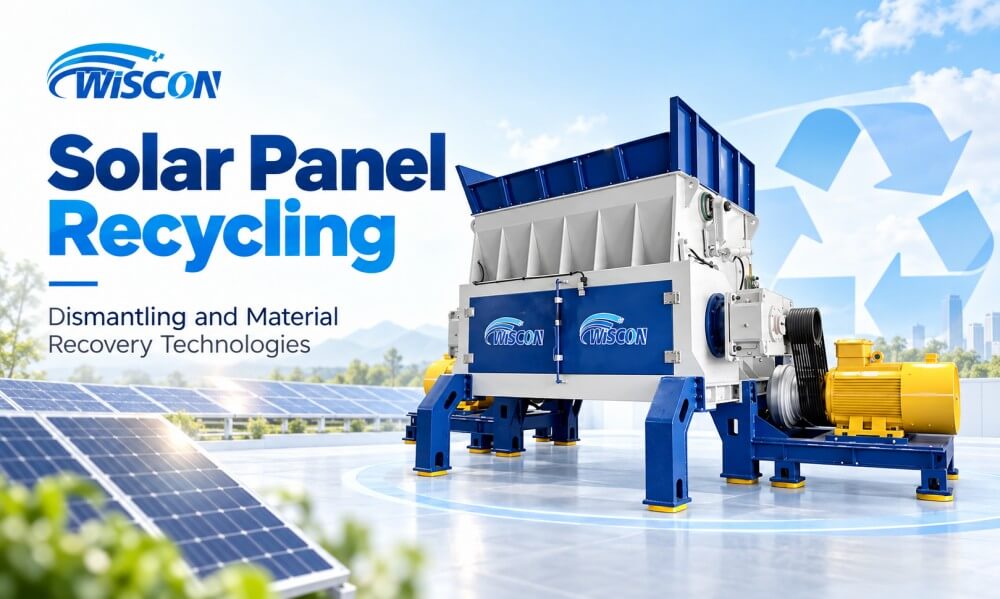 Wind and Solar Recycling: Solar Panel Dismantling and Material Recovery Technologies
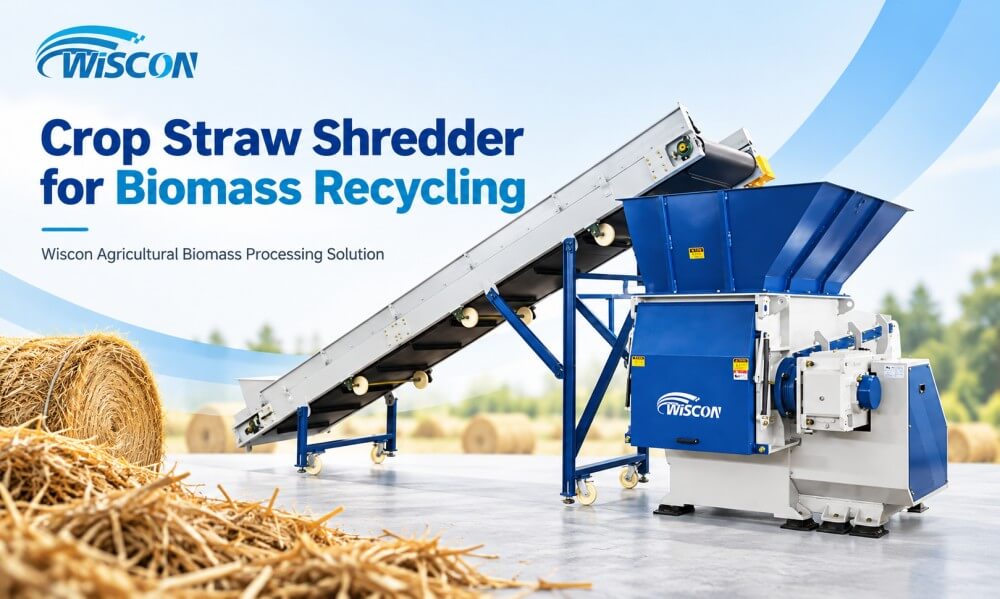 Crop Straw Shredder Supports Efficient Agricultural Biomass Recycling
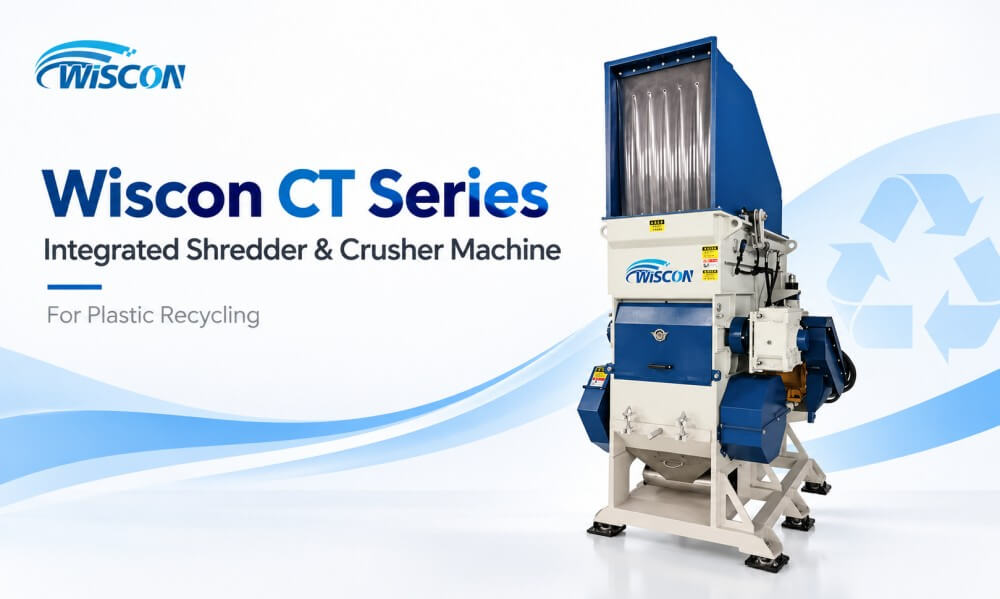 Why Are Integrated Shredder and Crusher Machines Gaining Attention in Solid Waste Recycling?
 200L Plastic Drum Shredder: How to Prevent Jamming and Improve Recycling Efficiency
 Is Leather Waste Recycling Profitable?