In today’s world, where carbon emissions are under the microscope, cement manufacturers face tough choices. They need to cut down on CO2 while keeping their operations profitable. Alternative fuels offer a solid way forward for decarbonization, but let’s be honest—many plants struggle to make them work day in and day out. Issues like inconsistent quality, impurities, and unreliable feeding often turn promising projects into headaches.
That’s where companies like Wiscon Environmental come in. We specialize in the nuts and bolts of preparing alternative fuels: shredding, crushing, removing contaminants, controlling particle sizes, and ensuring steady delivery. Our goal? Help cement plants shift from experimental trials to dependable, everyday use that supports real emission reductions.
 Why Alternative Fuels Often Fall Short in Cement Production
If you’ve dealt with alternative fuels in cement kilns, you might recognize these common pitfalls:
- Impurities that slip through: Things like metals, rocks, sand, or heavy debris can trigger equipment failures, uneven burning, and even regulatory headaches.
- Uneven particle sizes: This makes metering tricky and leads to inconsistent combustion in the kiln.
- Wrapping and blockages: Fabrics, plastics, and films can tangle up machinery, causing frequent shutdowns.
- High energy demands and maintenance woes: Worn-out blades and unexpected downtime eat into productivity and budgets.
- Theory vs. reality: Systems that look great on blueprints often falter in practice, leading to extra handling and costs.
These aren’t just minor annoyances—they can derail your entire decarbonization strategy.
Our Holistic Approach: Building Systems, Not Just Machines
Preparing alternative fuels for cement isn’t as simple as chopping everything up. It’s about creating a reliable process that handles real-world variations while delivering consistent results. We focus on three key areas:
- Ease of processing: Adapting to different feedstock qualities without constant tweaks.
- Quality assurance: Effective impurity removal and uniform sizing for predictable performance.
- Long-term reliability: Designs that minimize downtime, simplify maintenance, and integrate seamlessly with your kiln setup.
At Wiscon Environmental, we offer two tailored systems based on your specific needs and feedstock challenges.
Option 1: The Two-Stage Shredding System (Twin-Shaft + Single-Shaft)
This setup starts with twin-shaft coarse shredding, followed by air separation and single-shaft fine sizing. It’s ideal for high-energy materials with complex shapes where precision matters.
What makes it stand out?
- Handles tough feedstocks smartly: The initial shredding breaks down bulky items, air separation pulls out lights and heavies, and fine sizing ensures everything meets your specs. This reduces risks like wrapping compared to one-step methods.
- Better control over quality: Targeted separation means fewer contaminants, and adjustable sizes help maintain steady calorific values for smoother kiln operations.
- Smoother overall running: It plays well with downstream processes like baling, cutting down on manual interventions and keeping costs predictable.
Great for mixed combustibles or industrial scraps where size control is key. (Of course, we’ll assess your on-site materials to confirm.)
 Option 2: Three-Stage Progressive Twin-Shaft Shredding
For messier, more variable inputs, this stepped approach uses multiple twin-shaft shredders to gradually reduce materials.
Key advantages here:
- Adapts to changes easily: Staged reduction absorbs fluctuations in composition, making it perfect for feeds that vary a lot or include metals.
- Efficient on energy and upkeep: Specialized blades last longer, and built-in magnetic separators keep things clean, potentially lowering your per-ton costs.
- Built-in smarts for reliability: Features like monitoring, auto-starts, and alerts help prevent overloads and boost safety.
This one’s a go-to for waste textiles, plastics, or mixed streams with heavies. Again, a site-specific review ensures the best match.
Focusing on What Really Matters: Real-World Results
When evaluating alternative fuel preparation systems for cement, prioritize these outcomes:
- Uptime and stability: Does the system keep running without constant babysitting?
- Consistent output: Can you control particle sizes and impurity levels reliably?
- Cost-effective maintenance: How long do parts last, and what’s the downtime hit?
- Seamless integration: Does it connect smoothly to your conveying, storage, and feeding lines?
We design our systems to tackle the big blockers—wrapping, jams, contaminants, and sizing issues—that often sabotage co-processing in cement plants.
What You’ll Get from Us
Working with Wiscon Environmental means a customized package:
- An evaluation of your feedstock and a recommendation on the best system (two-stage or three-stage).
- A detailed setup plan covering shredding, separation, magnets, and integration.
- Suggestions for optimal particle sizes and formats tailored to your kiln.
- Tips on operations and maintenance to maximize efficiency and minimize expenses.
Remember, the final setup depends on your materials, goals, and site setup—we always recommend verifying with real tests.
Why Make the Move Now?
With carbon regulations getting stricter and costs climbing, alternative fuels aren’t optional anymore. They’re a must for staying competitive in the cement industry. Plus, as demand rises, having a top-notch preparation system gives you an edge. Upgrading now can pay off big in efficiency and sustainability.
 Ready to Get Started? Let’s Talk About Your Setup
Share details on your feedstock (types, sources, contaminants), input forms, desired output, throughput needs, and any site limitations. We’ll provide a no-nonsense recommendation.
[Submit Feedstock Details] [Request Process Advice] [Chat with an Engineer]
Quick Answers to Common Questions
How do I pick between two-stage and three-stage? If your materials are highly variable with lots of wrapping or metals, go three-stage for stability. For better separation and sizing control, two-stage often wins. A quick feedstock check can clarify.
Can I tweak the particle size? Absolutely— we configure it to fit your kiln or handling needs, based on how your materials behave.
What about potential risks? Common ones include unexpected objects, overloads, tangles, or quality dips. Our designs and controls help, but good feedstock prep and team training are crucial too.


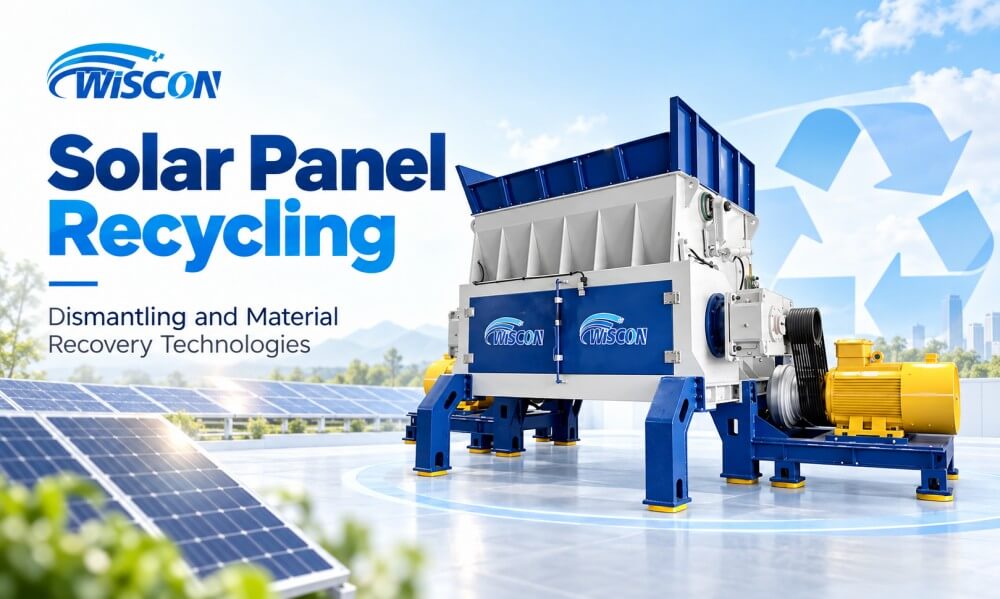 Wind and Solar Recycling: Solar Panel Dismantling and Material Recovery Technologies
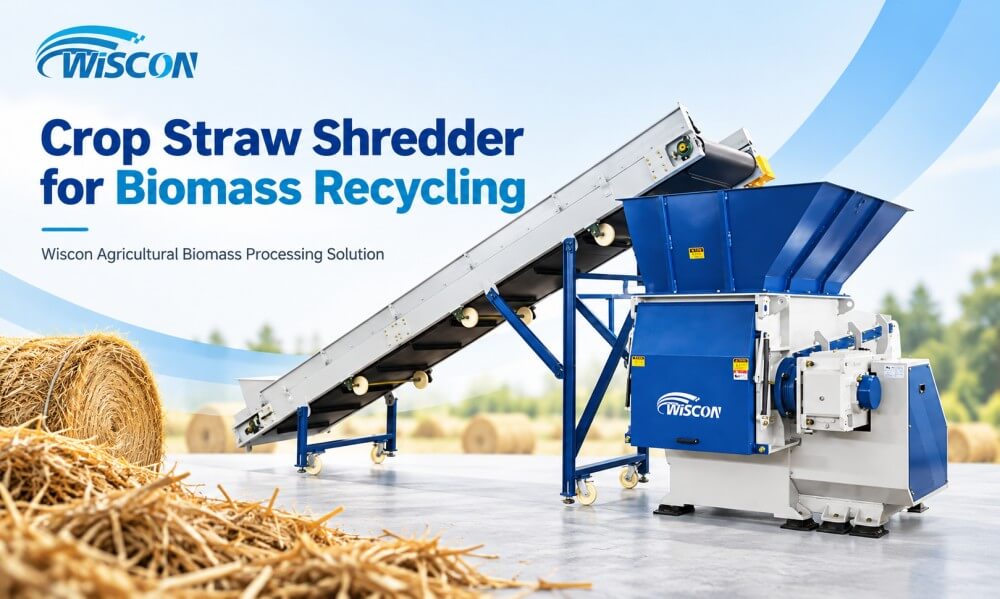 Crop Straw Shredder Supports Efficient Agricultural Biomass Recycling
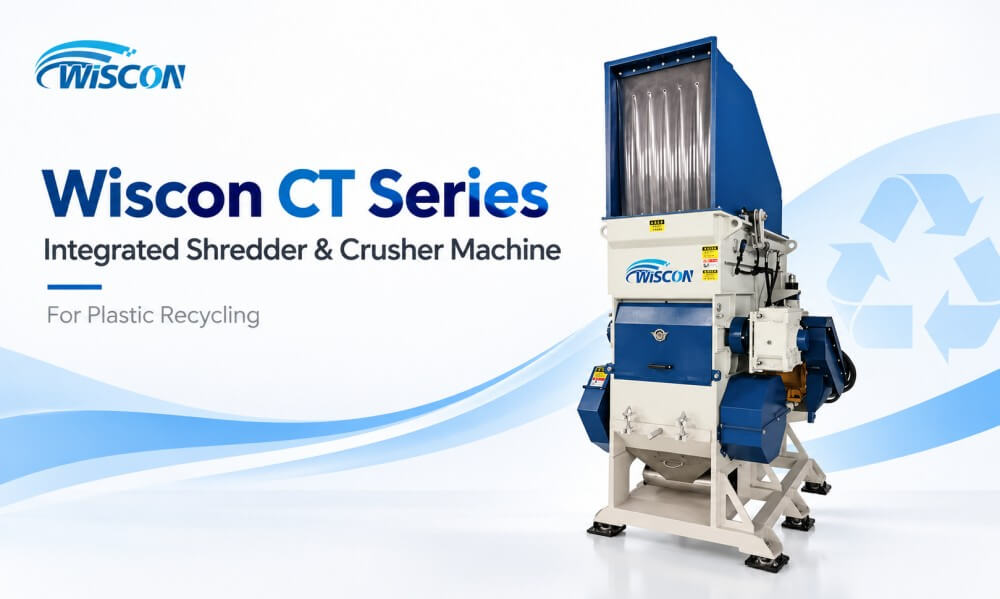 Why Are Integrated Shredder and Crusher Machines Gaining Attention in Solid Waste Recycling?
 200L Plastic Drum Shredder: How to Prevent Jamming and Improve Recycling Efficiency
 Is Leather Waste Recycling Profitable?