I build the line around the fuel you need—not the other way around. Below is the approach I use to turn mixed bulky waste into consistent RDF that offtakers accept on day one and every audit after.
1) Lock the End Product First: RDF Grade, Size, CV, Chlorine, Moisture
I start with the fuel specification and write it down as acceptance criteria before I touch hardware.
Target particle size: I match what the offtaker can reliably burn. Grate systems usually tolerate 30–80 mm. Fluidized beds prefer 20–50 mm. I confirm this with sieve tests and set an allowable oversize percentage so we all know what “in spec” means.
Calorific value (CV): I align the CV window with the boiler’s expectation and map which fractions move it. Plastics and wood lift CV; food waste and fines pull it down. I tune the blend and screening to hold CV where the buyer wants it.
Chlorine: I draw a hard line here because chlorine drives corrosion and unstable combustion. I minimize PVC and salt-bearing organics in the recipe. If the feed forces my hand, I plan removal steps upstream.
Moisture: I hold moisture near the agreed limit by sizing airflow and drying needs properly. I check with handheld readings and verify with lab tests.
Acceptance criteria: I put size distribution, CV range, chlorine cap, and moisture limit into the contract spec. That way the plant runs to numbers, not opinions.
I walk the pile and count what shows up—not what the brochure promised.
Composition scan: I log the shares of couches, mattresses, pallets, textiles, film, rigid plastics, wood, organics, fines, and inerts.
Seasonality: Move-out periods spike sofas and mattresses; rainy months push moisture up. I design around those swings so the line stays stable.
Moisture and verification: I take handheld readings and send a lab sample to ground-truth them.
Throughput reality: I weigh loader buckets to capture hourly peaks, not just daily averages. I size motors, hoppers, and screens for those peaks so the line doesn’t trip under stress.
Contaminant hunt: I look for rebar nests, stones, gas cylinders, ropey film, and wire. Then I decide: pre-pick/presort or tougher cutter sets and more forgiving clearances.
Duty cycle: I document hours per day, days per week, and planned stops. Then I select cooling packages, wear parts, and service intervals for that actual duty—not a wish list.
A clean feed audit saves knives, bearings, gearboxes, and your uptime.
3) Map a Simple but Tight Process: Primary → Screen → Secondary → Close the Loop
I sketch the simplest flow that can meet the spec—and nothing extra.
Primary shredding (slow speed): For bulky, mixed streams, I open items and take them to 150–300 mm. That first cut reduces volume and exposes contaminants.
Scalping screen: I pull out fines early to stabilize CV and protect downstream. Removing fines also smooths the load on the secondary shredder.
Secondary shredding for final cut: I send the mid-fraction to a machine that can hit the target size reliably, then use a final screen to set the real product cut.
Recirculation: I route overs back to the secondary via a short return. Long loops twist material into ropes and build heat, so I avoid them.
Surge and flow: I place surge hoppers where the loader actually works, so the system rides through spikes without trips. I keep chutes steep, transitions wide, and belt speeds matched so material flows instead of stalls.
If the spec changes, I adjust screen apertures, cutter geometry, and RPM before I add new machines.
4) Choose the Right Shredder Architecture: Single, Twin, or Four-Shaft—Hydraulic or Electric
I pick the machine to match feed behavior and size control requirements.
Twin-shaft (slow speed): My go-to for sofas, mattresses, pallets, and irregular bulky items. It bites hard, tolerates contaminants, and knocks volume down fast.
Four-shaft with sizing screen: When I need tight, repeatable 30–50 mm RDF from mixed feed, a four-shaft with an integrated screen gives cleaner edges and predictable fines.
Single-shaft with screen deck: I use it on more homogeneous streams (plastics, dry wood) where I want precise chips and a sharp top size.
Hydraulic drives: I choose hydraulic when I expect shock loads, tramp metal, or frequent reversals. Instant torque and soft stalls protect the driveline.
Electric drives with VFDs: I use electric for efficiency, lower heat, and simpler maintenance when the feed is more consistent.
Right-sizing powertrain: I size motors for peak plus margin, not just nameplate myths. Then I pair cutter profile, screen hole size, and RPM to the end-product spec I locked in step one.


 1) Lock the End Product First: RDF Grade, Size, CV, Chlorine, Moisture
 2) Audit the Feed You’ll Actually See: Composition, Contaminants, Peaks, Duty Cycle
 4) Choose the Right Shredder Architecture: Single, Twin, or Four-Shaft—Hydraulic or Electric
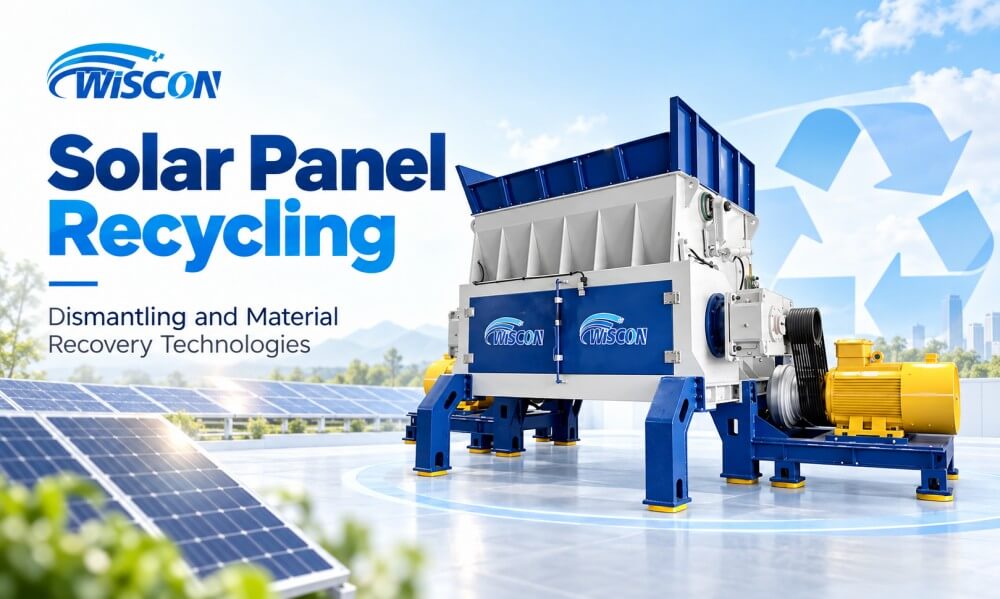 Wind and Solar Recycling: Solar Panel Dismantling and Material Recovery Technologies
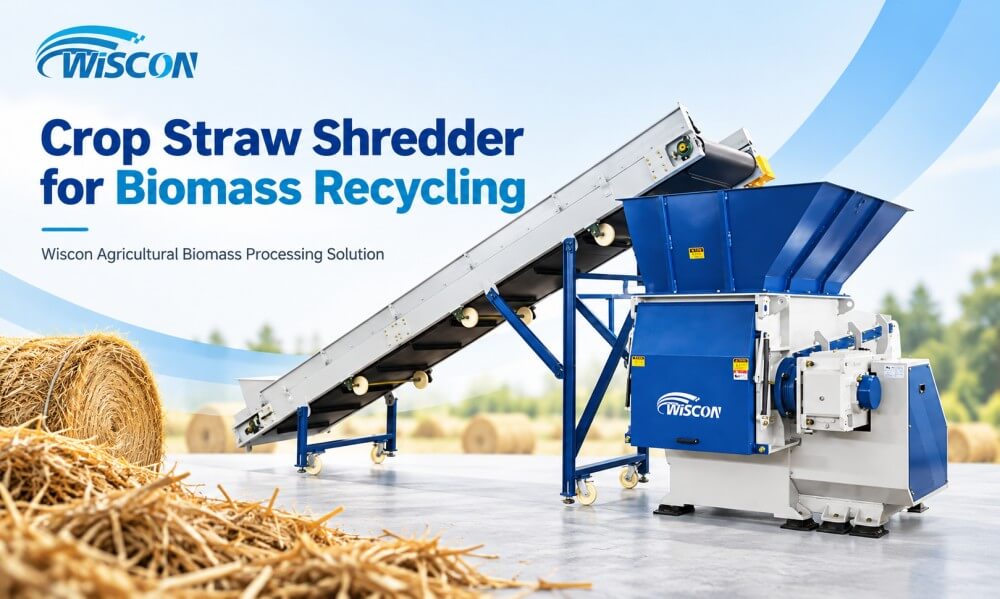 Crop Straw Shredder Supports Efficient Agricultural Biomass Recycling
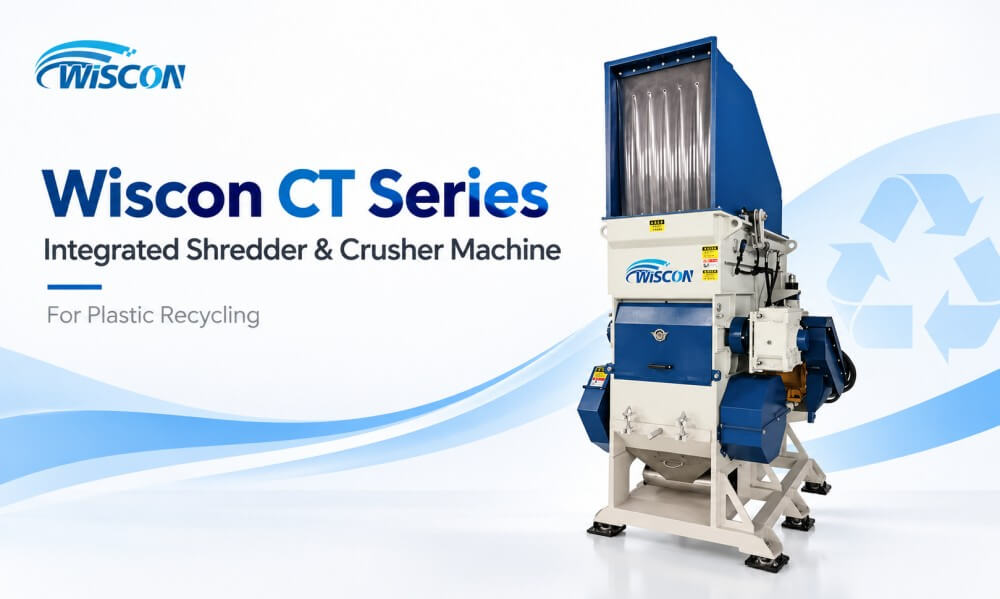 Why Are Integrated Shredder and Crusher Machines Gaining Attention in Solid Waste Recycling?
 200L Plastic Drum Shredder: How to Prevent Jamming and Improve Recycling Efficiency
 Is Leather Waste Recycling Profitable?