In the ever-evolving world of recycling, where turning waste into valuable resources is more crucial than ever, I’ve discovered a game-changer that stands out for its efficiency and versatility: the single-shaft shredder. As someone who’s spent years diving into industrial shredding technologies, I can tell you firsthand that these machines aren’t just tools—they’re the powerhouse behind sustainable waste management. In this post, I’ll unlock the secrets of single-shaft shredders, showing you how they revolutionize modern recycling practices and why they’re essential for anyone serious about reducing environmental impact.
Key Advantages of Single-Shaft Shredders Over Dual-Shaft Models
I often recommend single-shaft shredders to clients in recycling because they excel in delivering uniform particle sizes, which is crucial for downstream processing like granulation or extrusion. Unlike dual-shaft models that rely on two interlocking rotors to tear materials apart, single-shaft shredders use a single rotor with cutters and a screen to control output size precisely. This setup allows me to achieve consistent shreds, making them ideal for materials that need fine reduction without over-shredding. In my experience, single-shaft machines handle soft and flexible items like plastics, films, and fibers more efficiently, as they prevent jamming with their pushing mechanism. Dual-shaft shredders, while powerful for bulky or hard waste, often produce irregular pieces and require more energy for the same volume. I find single-shaft models offer lower operational costs due to simpler maintenance—fewer moving parts mean less downtime—and they integrate better with automated sorting systems. For instance, in plastic recycling, the screen in a single-shaft shredder ensures particles are small enough for immediate reprocessing, boosting overall efficiency by up to 30% compared to dual-shaft alternatives. If your goal is precision and sustainability, I always lean toward single-shaft for its versatility in controlled environments
Applications in Recycling: From Plastics to Metals and Beyond
As I explore recycling operations, I see single-shaft shredders shining in diverse applications, starting with plastics where they break down PET bottles, films, and rigid items into uniform flakes for easy melting and reuse. I particularly appreciate their role in metal recycling; they efficiently shred aluminum cans, copper wires, and scrap, separating valuable components from e-waste like circuit boards to recover precious metals. Wood processing is another area I highlight—these shredders turn pallets, branches, and furniture waste into mulch or biomass fuel, supporting sustainable forestry practices. Beyond that, I’ve used them for paper and cardboard, reducing bulky waste into compact bales for pulping, and even tires, where they slice rubber into chips for road materials or energy recovery. In hazardous waste management, single-shaft shredders safely process medical or industrial scraps, minimizing volume before disposal. Their adaptability stems from adjustable cutters and screens, allowing me to switch between materials without major reconfigurations. For example, in a recent project, I implemented one for mixed municipal waste, enhancing sorting efficiency and diverting 40% more recyclables from landfills. This broad utility makes them indispensable for modern, multi-material recycling facilities aiming for zero-waste goals.
Choosing the Right Single-Shaft Shredder for Your Needs
I guide beginners by first assessing the material type—soft plastics demand high-speed rotors, while metals need robust, wear-resistant blades. I evaluate throughput next; calculate your daily volume in kg/hour to match the shredder’s capacity, avoiding undersized models that cause bottlenecks. Desired particle size is key—I look for adjustable screens to fine-tune output from coarse chips to fine granules. Power and torque matter too; I opt for machines with efficient motors to handle tough loads without excessive energy use. Maintenance features like easy blade access and auto-reversing save time, so I prioritize those. Budget-wise, I balance initial cost with long-term ROI, considering warranties and parts availability. In practice, I test prototypes or consult manufacturers for custom fits— for a small plastics recycler, I chose a compact model with modular blades, scaling up as needs grew. Always factor in safety certifications and integration with existing lines to ensure seamless operation.
Innovations and Future Trends in Single-Shaft Shredder Technology
I stay excited about 2026 innovations like modular blade systems that swap in minutes, reducing downtime and extending life with wear-resistant materials. Smart tech integrates AI for real-time monitoring, predicting jams and optimizing speeds via sensors. I see all-electric drives gaining traction for energy efficiency, cutting emissions in green operations. V-shaped rotors prevent buildup, enhancing throughput for diverse wastes. Future trends point to IoT connectivity for remote diagnostics and predictive maintenance, plus hybrid models blending shredding with sorting AI. In recycling, advancements focus on circular economy support, like better metal-plastic separation for higher yields. I anticipate more compact, portable units for on-site processing, driven by sustainability regulations. These evolutions make single-shaft shredders smarter and greener, helping me push recycling boundaries.


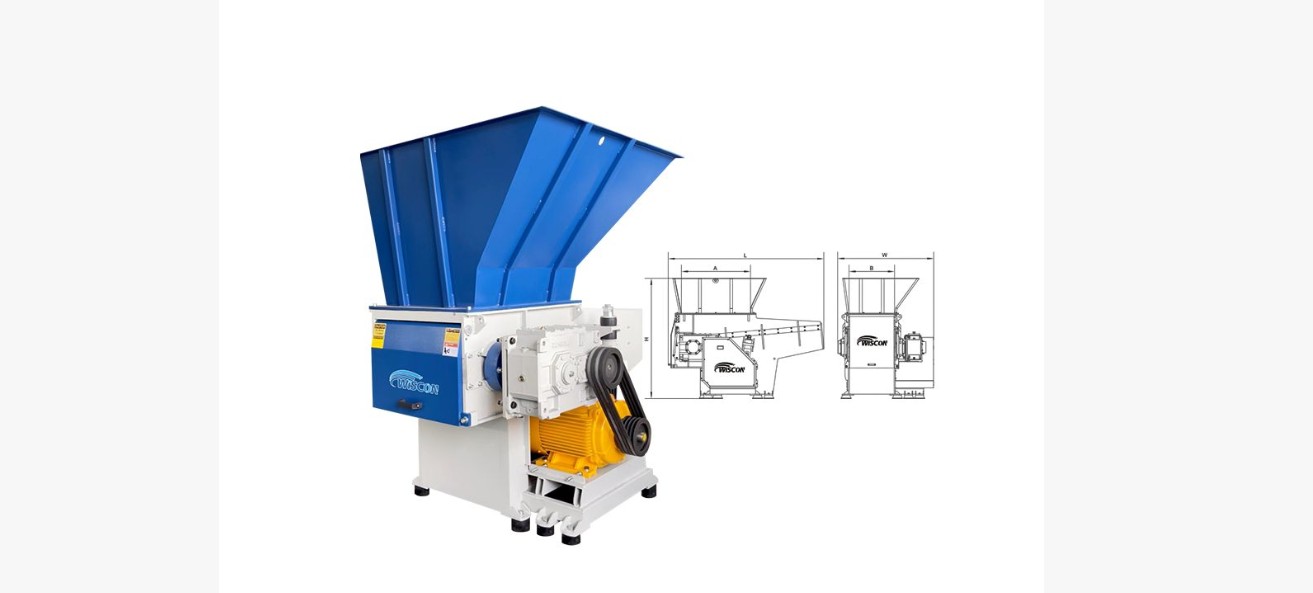 Key Advantages of Single-Shaft Shredders Over Dual-Shaft Models
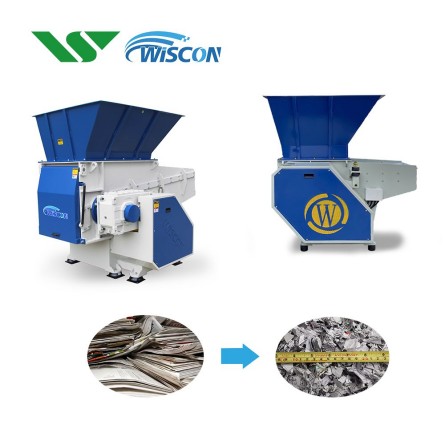 Applications in Recycling: From Plastics to Metals and Beyond
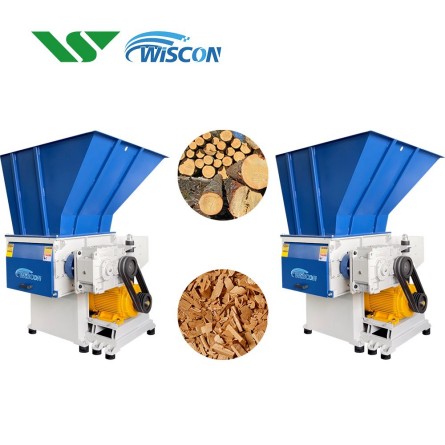 Innovations and Future Trends in Single-Shaft Shredder Technology
 What Is the Best Machine for Waste Computer Case Recycling? Twin-Shaft Shredder Explained
 How to Choose the Right Industrial Shredder for an Island Composting Facility
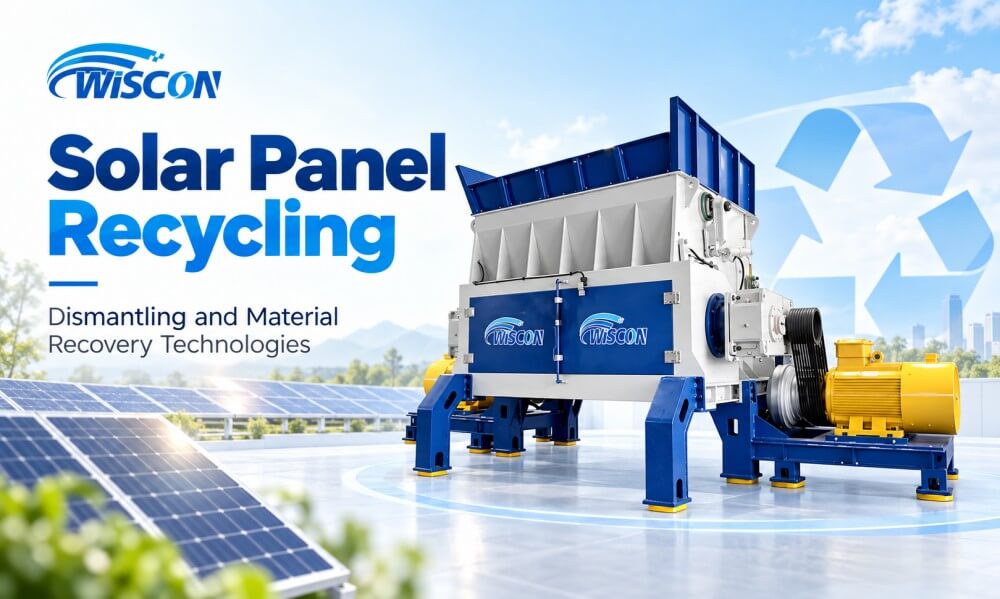 Wind and Solar Recycling: Solar Panel Dismantling and Material Recovery Technologies
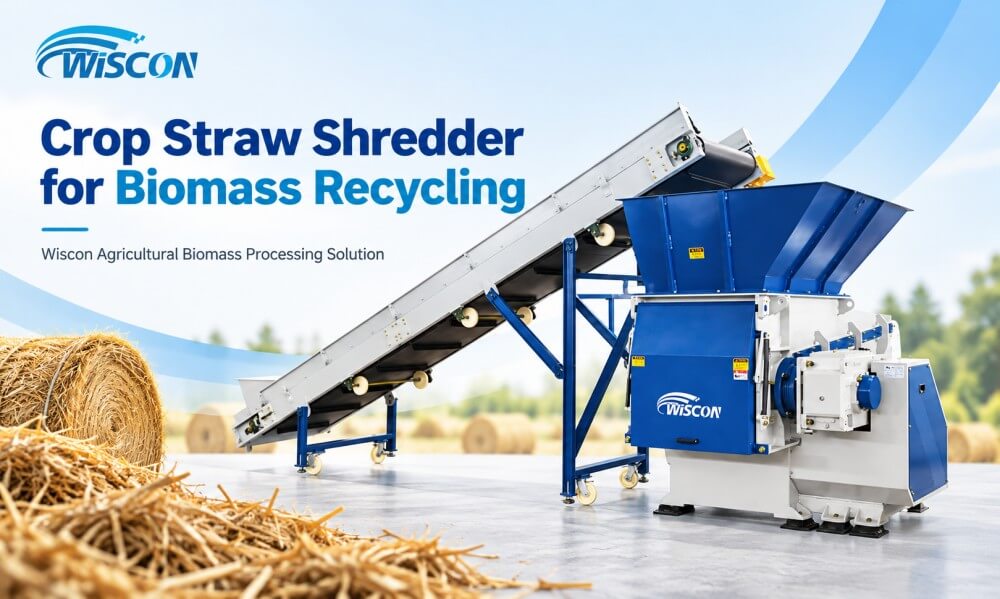 Crop Straw Shredder Supports Efficient Agricultural Biomass Recycling
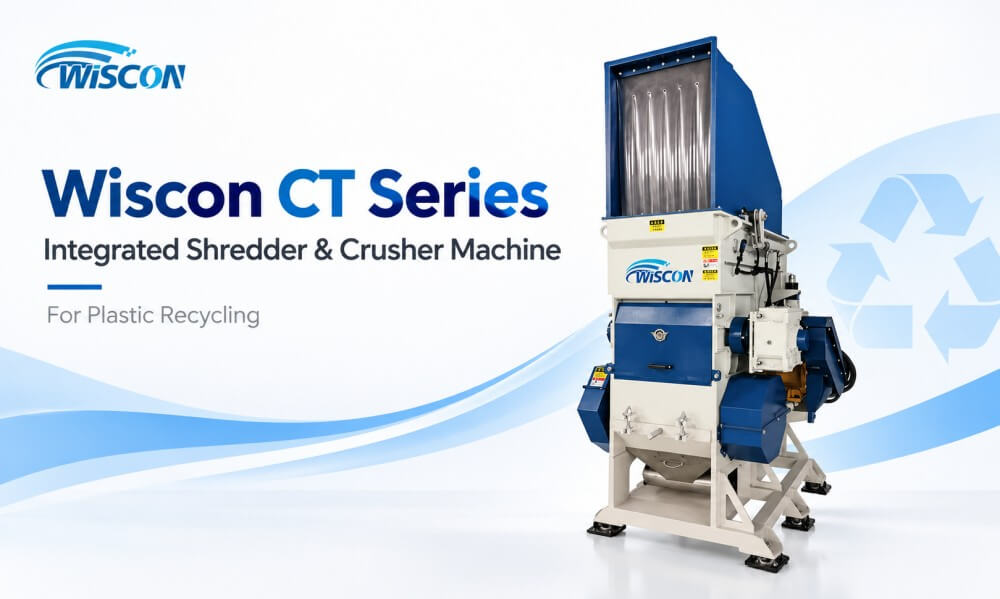 Why Are Integrated Shredder and Crusher Machines Gaining Attention in Solid Waste Recycling?
