When I first entered the world of photovoltaic (PV) panel recycling, I realized very quickly that most people underestimate the complexity—and the potential—of this process. Solar panels are built to last decades, but once they reach the end of their life cycle, they become e-waste filled with valuable, toxic, and hard-to-separate materials. This isn’t just a waste problem—it’s a profitable opportunity if you know what you’re doing. Here’s how I recycle PV panels safely and profitably, step by step.
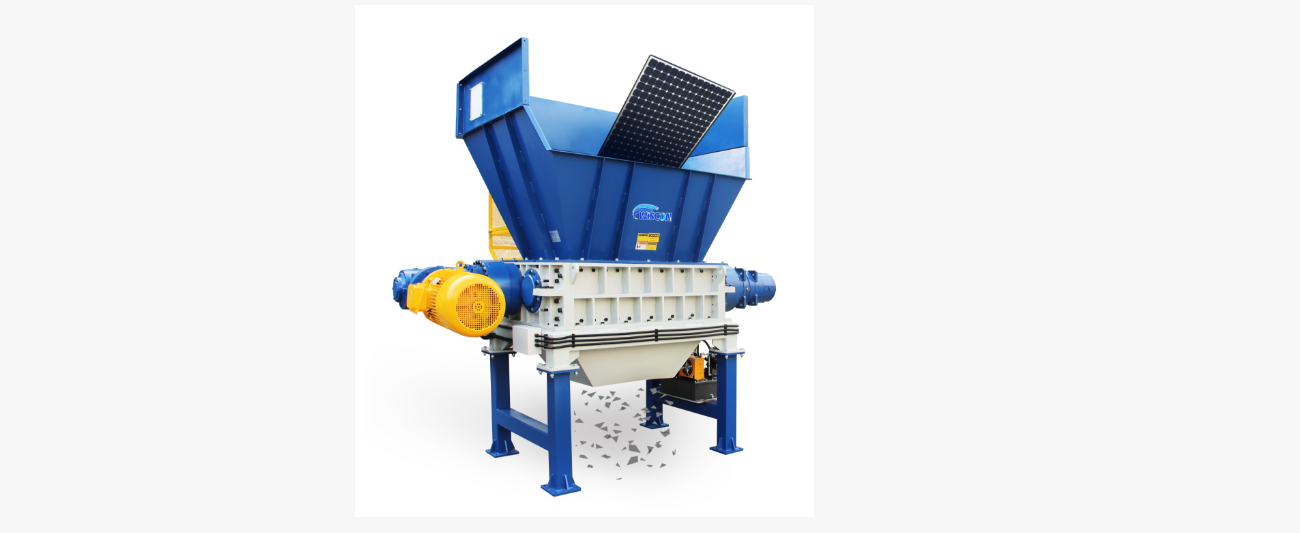 Understanding What’s Inside a Photovoltaic Panel
Before I even touch a panel, I study its structure. A typical crystalline silicon panel contains about 70–75% glass, along with aluminum frames, ethylene-vinyl acetate (EVA) layers, silicon solar cells, silver, copper, and a polymer backsheet. Some models also include hazardous materials like lead or cadmium. Knowing this helps me decide which recycling methods to use—and which precautions to take. Understanding the makeup also helps me evaluate what I can recover and resell, which directly impacts my bottom line.
Safety First: My Protocols for Handling Toxic and Hazardous Components
Safety isn’t optional. Older PV panels can contain toxic substances like lead in solder and cadmium in thin-film modules. I always wear PPE (gloves, goggles, respirators) and work in a ventilated environment. I also isolate and label hazardous components during dismantling. Improper handling could lead to environmental contamination or regulatory fines. For panels with fluoropolymer backsheets, I avoid high-heat processes, which can release toxic fumes. I never cut corners on safety—it’s the foundation of every profitable operation.
My Step-by-Step Recycling Workflow: From Collection to Separation
My process starts with proper collection and transport. I store the panels flat to avoid glass shattering. Once on-site, I begin with manual dismantling: removing aluminum frames and junction boxes. Next, I use thermal or mechanical delamination to separate glass, EVA, and silicon wafers. For crystalline panels, I sometimes apply a low-temperature pyrolysis to loosen EVA without damaging recoverable materials. Each component is then sorted by type—metals, glass, semiconductors, and plastics—for further treatment or resale.
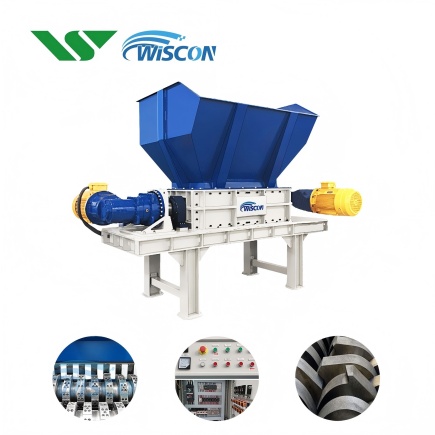 Turning Waste into Value: Recovering Glass, Silicon, and Polymers
Here’s where profit enters the picture. I sell cleaned glass to local construction firms as aggregate. I recover aluminum frames for metal recycling. Silicon cells can be refined for reuse, though that’s more feasible with newer panels. Silver and copper can be extracted through chemical or mechanical means, depending on volume. Even the EVA and backsheet polymers have downstream applications if properly processed. What many see as waste, I see as raw material waiting to be monetized.
Is It Profitable? Yes—If You Do These 3 Things Right
Profitability comes down to three factors: volume, efficiency, and resale partnerships. I focus on collecting large volumes from solar farms and installers. I optimize my workflow to minimize labor and energy costs. And I maintain relationships with buyers who purchase my recovered materials in bulk. Margins are thin at first, but with consistency and scale, PV panel recycling becomes a sustainable business model that’s both environmentally and economically rewarding.
If you’re in the plastics or e-waste industry, this is the right time to enter the solar recycling space. It’s not just good for the planet—it’s good business.


 What Is the Best Machine for Waste Computer Case Recycling? Twin-Shaft Shredder Explained
 How to Choose the Right Industrial Shredder for an Island Composting Facility
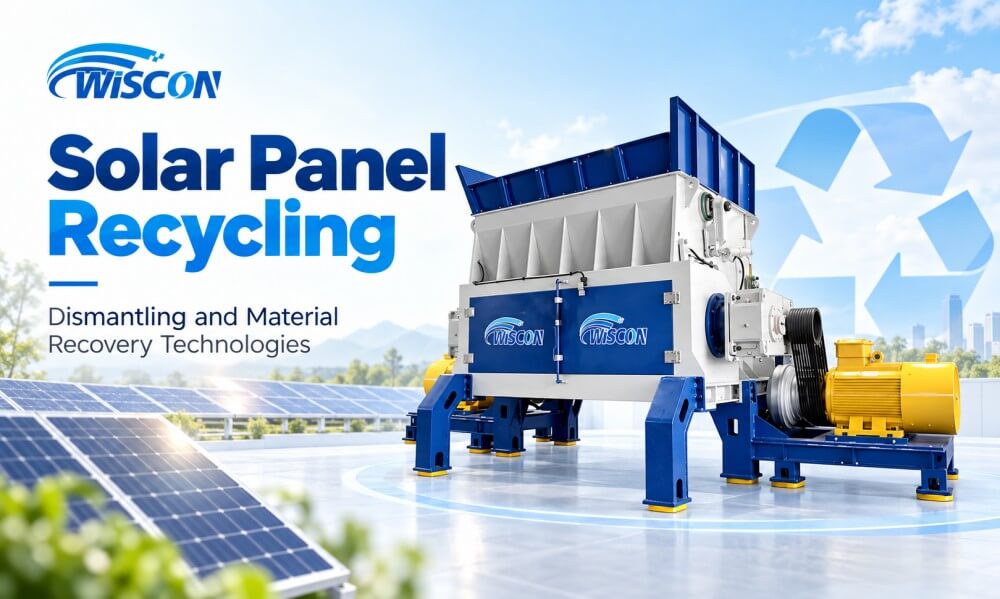 Wind and Solar Recycling: Solar Panel Dismantling and Material Recovery Technologies
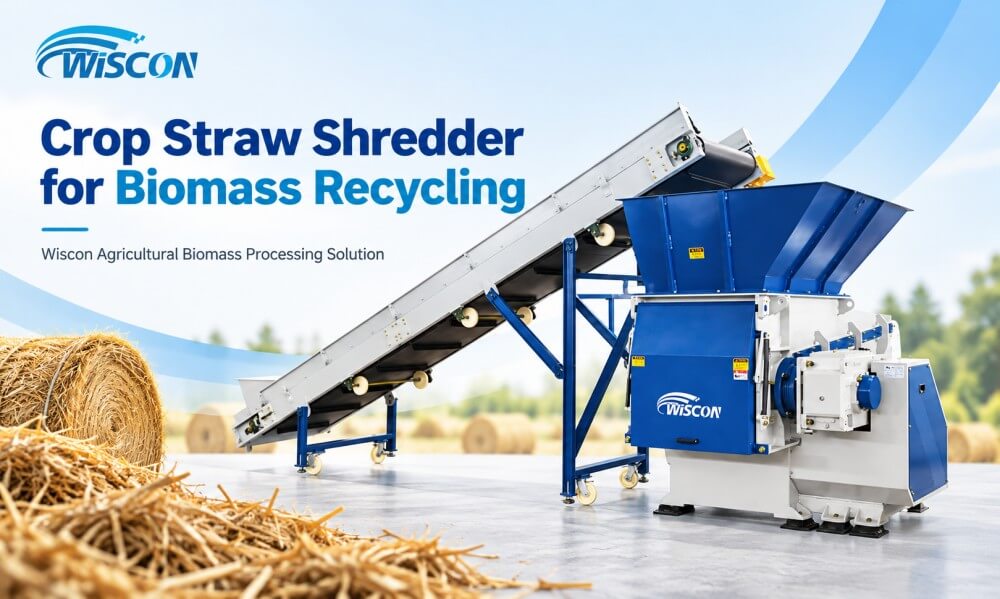 Crop Straw Shredder Supports Efficient Agricultural Biomass Recycling
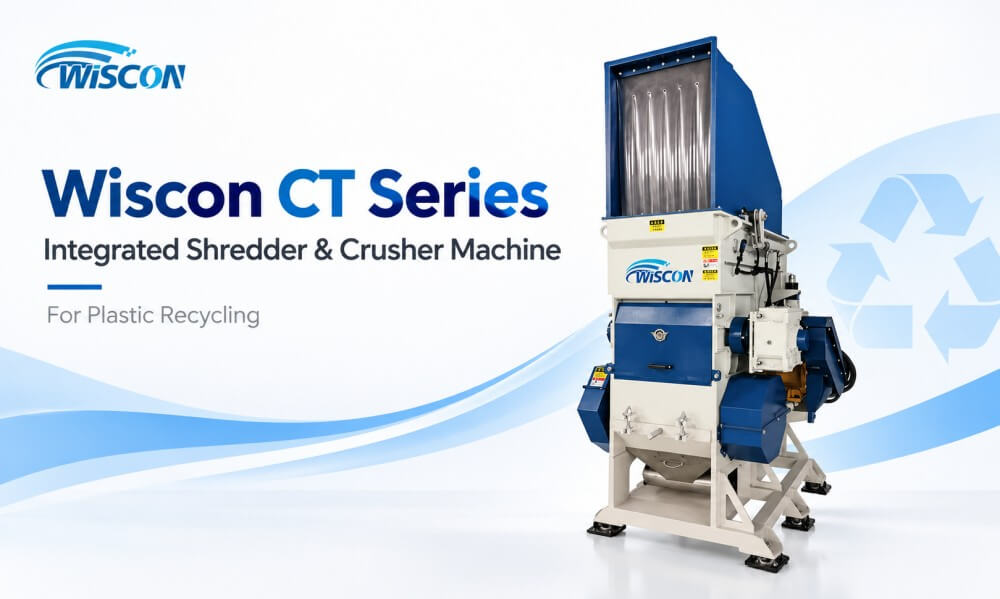 Why Are Integrated Shredder and Crusher Machines Gaining Attention in Solid Waste Recycling?
