In the plastic recycling industry, PE recycling is already a common and mature process. However, xlpe recycle is much more challenging. Although XLPE and ordinary PE are both made from polyethylene, their material structure, recycling method, processing difficulty, and final applications are very different.
The biggest difference is this: ordinary PE can be melted and reprocessed, but XLPE cannot be directly melted like normal plastic.
 What Is Ordinary PE Recycling?
Ordinary PE, or polyethylene, is widely used in plastic films, pipes, bottles, containers, packaging, sheets, and injection-molded products. Common types include LDPE, LLDPE, and HDPE.
PE is a thermoplastic material. This means it can soften and melt when heated. After sorting, washing, crushing, and drying, waste PE can usually be processed again through extrusion, pelletizing, or molding.
A typical PE recycling process includes material sorting, shredding or crushing, washing, drying, melting, filtration, and pelletizing. Because PE has good melt flow, ordinary PE recycling is relatively easy and suitable for large-scale mechanical recycling.
Recycled PE can be used in many products, such as garbage bags, plastic pipes, pallets, sheets, packaging products, and molded parts.
Why Is XLPE Different?
XLPE means cross-linked polyethylene. It is commonly used in power cable insulation, hot water pipes, foam materials, automotive parts, and other high-performance applications.
Unlike ordinary PE, XLPE has a three-dimensional cross-linked molecular network. This structure gives XLPE excellent heat resistance, aging resistance, electrical insulation, and mechanical strength. That is why XLPE is widely used in cables and other demanding applications.
However, this same structure also makes XLPE recycling more difficult. When XLPE is heated, it does not melt and flow like ordinary PE. If it is processed in a standard recycling extruder without proper treatment, it may degrade, carbonize, or lose processing stability.
In other words, the main challenge of xlpe recycle is not simply crushing the material. The real challenge is how to deal with its cross-linked structure.
XLPE Recycle vs. PE Recycling
Ordinary PE recycling mainly focuses on cleaning, crushing, melting, filtering, and pelletizing. The process is mature, cost-effective, and widely used.
XLPE recycling usually requires a more specialized process. Depending on the waste type and final application, recyclers may use fine grinding, thermal-mechanical treatment, de-crosslinking, chemical processing, or blending with other polymers.
For example, waste XLPE from cable insulation can be shredded and ground into fine powder. This powder may be used as a filler in rubber-plastic composites, cable sheath compounds, floor mats, composite boards, or low-flow molded products.
Some advanced recycling methods try to partially break the cross-linked network, so the material can become easier to process and reuse. However, compared with ordinary PE recycling, XLPE recycling usually needs better equipment, more technical control, and a clearer plan for the final product.
 Applications of Recycled XLPE
Recycled PE has a wide range of uses because it can be melted and shaped again. Recycled XLPE is usually used in more specific applications, especially products that do not require high melt flow.
Common applications include modified plastic materials, cable-related compounds, mats, rubber-plastic products, composite panels, and other low-grade molded products.
Although XLPE is difficult to recycle, it still has strong value. For cable recyclers, plastic recycling plants, and manufacturers, XLPE recycling can help reduce landfill, lower waste treatment costs, and recover more value from cross-linked polyethylene waste.
Wiscon XLPE Recycling Solution
Wiscon provides customized recycling solutions for difficult plastic materials, including waste cables, XLPE pipes, cross-linked polyethylene scraps, and mixed plastic waste.
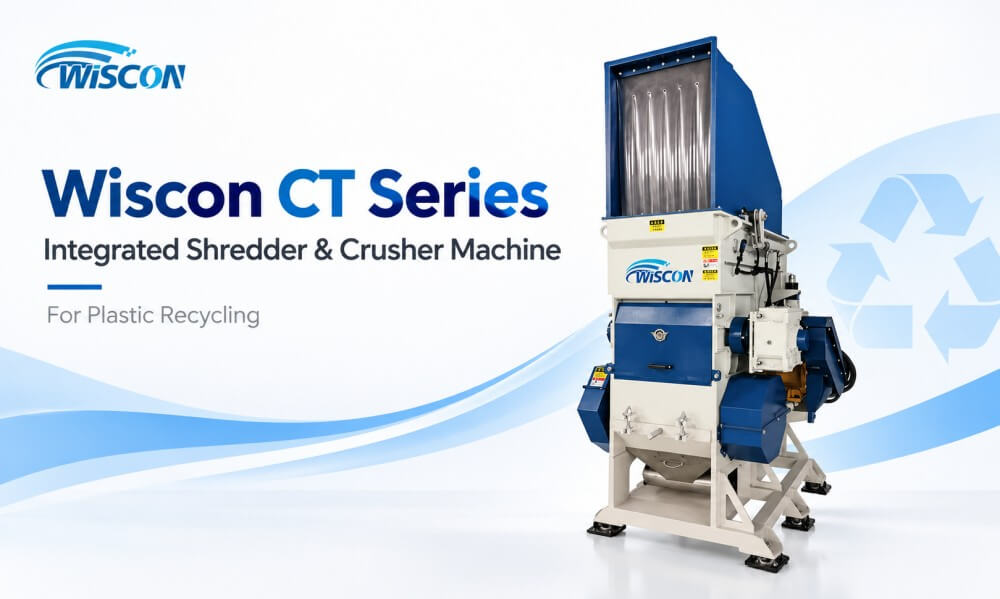
For xlpe recycle projects, Wiscon can provide suitable shredding, crushing, grinding, and material preparation systems according to your material type, plant capacity, feeding size, and final product requirements.
With the right recycling process, XLPE waste can be turned from a difficult disposal problem into a reusable resource with higher commercial value.
If you are looking for a reliable xlpe recycle solution, contact Wiscon to discuss a practical recycling system for your material and production needs.
FAQ:
Q1: Can XLPE be recycled like ordinary PE?
A1: No. Ordinary PE is thermoplastic and can be melted again, while XLPE has a cross-linked structure that makes direct melt recycling difficult.
Q2: What is the main challenge in xlpe recycle?
A2: The main challenge is the cross-linked molecular network, which limits melt flow and makes standard extrusion or pelletizing less effective.
Q3: What can recycled XLPE be used for?
A3: Recycled XLPE can be used in modified plastics, rubber-plastic composites, cable sheath compounds, mats, boards, and other lower-flow applications.
Q4: Is xlpe recycle profitable?
A4: It can be profitable when the waste source is stable, the particle size is controlled, and the recycled material has a suitable downstream application.
Q5: How can Wiscon help with XLPE recycling?
A5: Wiscon provides shredding, crushing, grinding, and recycling solutions designed for waste XLPE cables, pipes, scraps, and other cross-linked polyethylene materials.


 Why Are Integrated Shredder and Crusher Machines Gaining Attention in Solid Waste Recycling?
 200L Plastic Drum Shredder: How to Prevent Jamming and Improve Recycling Efficiency
 Is Leather Waste Recycling Profitable?
 How to Choose the Right Plastic Bucket Shredder for Small-Batch Paint Residue Plastic Recycling?
 Paper Mill Waste Recycling: Turning Paper Mill Rejects into RDF/SRF
