As urbanization accelerates and populations continue to grow, the volume of household waste is steadily increasing. One of the most common methods for managing waste is landfilling, which involves disposing of waste in designated areas and covering it with soil to decompose naturally. While this method has been widely used, it brings about significant environmental concerns, making the secondary treatment of landfilled waste more necessary than ever. Here’s why secondary treatment is critical:
1. Minimizing Environmental Pollution
When waste breaks down in landfills, harmful substances like leachate and greenhouse gases, such as methane and carbon dioxide, are released. Leachate, a liquid formed as waste decomposes, can contain toxic substances that, if left untreated, pollute the soil and groundwater. Methane, a potent greenhouse gas, is particularly concerning as it has a global warming potential 25 times higher than carbon dioxide. Secondary treatment technologies can play a pivotal role in reducing these emissions and minimizing their environmental impact, offering a more sustainable approach to waste management.
2. Recycling and Reusing Valuable Resources
Landfilled waste often contains valuable recyclable materials, such as metals, plastics, and paper. Secondary treatment methods can help extract and repurpose these materials, reducing the reliance on natural resources and lowering the environmental cost of producing new goods. By employing shredding technologies, for example, waste materials can be efficiently broken down, making it easier to recover resources like plastics and metals for reuse. This contributes to a circular economy, where materials are continuously repurposed rather than discarded.
3. The Role of Shredders in Waste Recycling
Shredders are crucial tools in the recycling process, especially when it comes to handling waste that has been landfilled. These machines break down large volumes of waste into smaller, more manageable pieces, making it easier to sort and process materials for recycling. Shredders are particularly effective for processing plastics, metals, and paper, ensuring these materials are prepared for further recycling. By improving the separation and processing of waste, shredders help make recycling more efficient, reducing resource wastage and maximizing recovery.
4. Prolonging the Lifespan of Landfills
As cities expand, finding new landfills becomes increasingly difficult, and existing sites are quickly reaching capacity. Secondary treatment methods can significantly reduce the volume of waste in landfills, extending their operational lifespan. Techniques like shredding help break down large waste items into smaller pieces, thereby improving landfill space efficiency. This is especially important in regions with limited land available for waste disposal, as it alleviates pressure on existing landfill sites.
5. Enhancing Public Health and Safety
Without proper treatment, landfilled waste can create significant public health risks. Landfills, particularly those containing organic waste, provide an ideal environment for pests such as rats and flies, which can spread diseases. Secondary treatment methods, including disinfection and sterilization, can help mitigate these health risks, ensuring that waste management practices do not pose a threat to public health. By reducing the breeding grounds for pests and pathogens, these methods contribute to safer, healthier communities.
6. Supporting Corporate Responsibility and Compliance
Businesses that engage in secondary waste treatment demonstrate a commitment to environmental stewardship, which enhances their corporate social responsibility (CSR) profile. By implementing effective waste treatment solutions, companies not only help reduce pollution but also build trust with consumers and the public. Moreover, governments around the world are increasingly prioritizing waste management regulations, and companies that invest in secondary treatment technologies are better positioned to comply with these evolving laws.
In summary, secondary treatment of landfilled waste is a vital component of effective waste management. It helps reduce environmental pollution, promotes resource recycling, extends the lifespan of landfills, and ensures public health and safety. Technologies like shredders play an essential role in optimizing waste recovery and treatment processes, making them a key tool in achieving sustainable waste management. For businesses, investing in secondary treatment technologies also helps improve CSR practices and ensure regulatory compliance, supporting a more sustainable future for all.


 1. Minimizing Environmental Pollution
 5. Enhancing Public Health and Safety
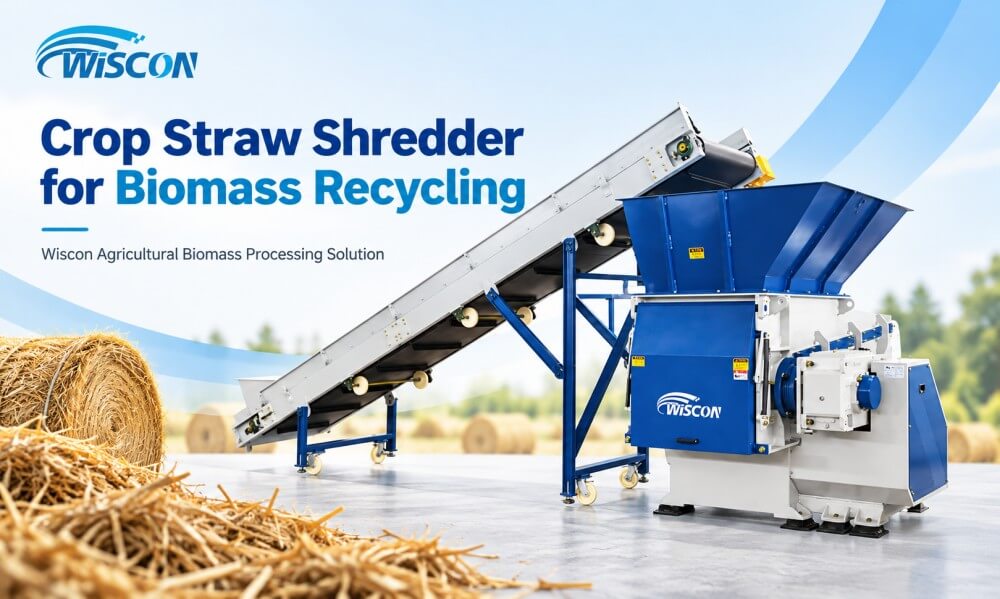 Crop Straw Shredder Supports Efficient Agricultural Biomass Recycling
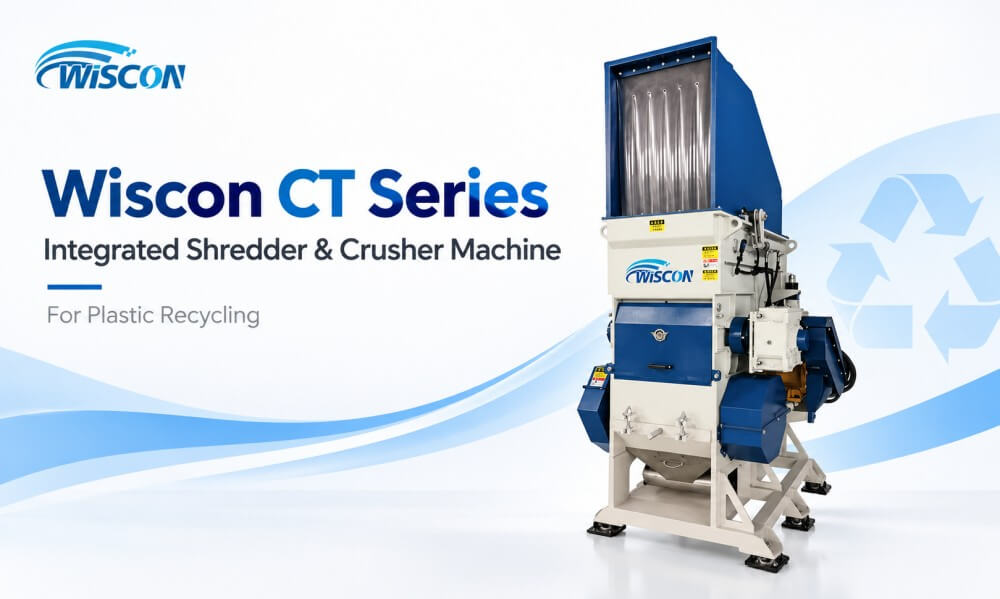 Why Are Integrated Shredder and Crusher Machines Gaining Attention in Solid Waste Recycling?
 200L Plastic Drum Shredder: How to Prevent Jamming and Improve Recycling Efficiency
 Is Leather Waste Recycling Profitable?
 How to Choose the Right Plastic Bucket Shredder for Small-Batch Paint Residue Plastic Recycling?
