An industrial toy shredder is a robust machine designed to break down old, damaged, or surplus toys, including shredding toy cars, into smaller, more manageable pieces. These shredders handle a variety of materials found in toys, such as plastics, rubber, metals, and composite substances. By breaking down these materials, they not only make disposal easier but also facilitate recycling, turning waste into new products. While primarily used for toys, these machines can also process various other materials found in industries like packaging and scrap manufacturing. Industrial toy shredders work through a variety of technologies, including rotating blades, shears, or impact force, depending on the machine’s design.
 2. Why Are Industrial Toy Shredders Crucial for Waste Management?
In industrial environments, waste can accumulate quickly, especially when materials like plastics, rubber, and metal are involved. Toys, often made from mixed materials, can be challenging to dispose of. Simply throwing them away fills up landfills, and recycling without the proper equipment is complex. Industrial toy shredders streamline this process by reducing the size of the waste, making it easier to transport, store, and recycle. This not only saves time and space but also helps businesses meet environmental regulations and contributes to more sustainable waste management practices.
3. How Do Industrial Toy Shredders Function?
At the core of an industrial toy shredder is a powerful motor that drives rotating blades or drums designed to break down tough materials. Materials are typically fed into the shredder through a hopper, where they are shredded and reduced in size. Some shredders use rotary blades combined with screens to control the output size, while others rely on impact-driven mechanisms. After shredding, the materials can either be sent directly to the recycling process or further processed based on the needs of the industry. These machines are designed to handle large volumes of waste, such as shredding toy cars, and can operate continuously for extended periods, making them essential in industrial applications.
4. Types of Industrial Toy Shredders
There are several types of industrial toy shredders, each tailored to specific shredding requirements:
Single Shaft Shredders: These simple machines use a single rotating shaft with fixed blades to cut materials. They are slower but are effective for softer materials like plastic.
Double Shaft Shredders: Equipped with two rotating shafts and intermeshing blades, these shredders are ideal for tougher materials such as rubber or thicker plastics.
Granulators: High-speed machines that produce finer cuts, typically used for smaller toy components or materials that need to be granulated for recycling.
Heavy-Duty Shredders: Built for handling large volumes and tougher materials, these machines often feature enhanced torque and reinforced blades for industrial-scale shredding.
Each type of toy shredder is designed for specific material types and processing needs, offering various advantages depending on the desired output size and speed.
 5. Benefits of Industrial Toy Shredders
Industrial toy shredders offer a range of benefits that make them invaluable in waste management:
Efficiency: They significantly reduce the time and manpower needed to process large amounts of waste, allowing businesses to handle more materials, such as shredding toy cars, with fewer resources.
Recycling: By shredding toys made from mixed materials, these machines separate plastics, rubber, and metal, which can then be recycled into new products, reducing waste.
Cost-Effectiveness: Recycling materials cuts down on disposal costs and may even allow businesses to sell the shredded material to recyclers, generating additional revenue.
Space-Saving: Shredding reduces the volume of waste, making it easier to store and transport, which can save space in facilities.
Environmental Impact: With better recycling capabilities, industrial toy shredders contribute to reducing the environmental impact of manufacturing and waste disposal, supporting sustainability efforts.
6. Common Materials Processed by Industrial Toy Shredders
While primarily designed for toys, industrial toy shredders can handle a wide range of materials, including:
Plastic Toys: The most common material used in toys, plastic can be shredded and recycled into new plastic products.
Rubber: Many toys, especially those with flexible parts or tires, include rubber components that are challenging to recycle, but shredders make this process easier.
Metal Parts: Toys often contain metal components like wires, springs, and small motors. Industrial toy shredders can process these as well, allowing for efficient metal recycling.
Wood and Composite Materials: Some toys are made from wood or composite materials, which often include a mix of plastics and other substances. These can also be effectively shredded and recycled.
By breaking down these materials, toy shredders ensure that each component is processed correctly, contributing to the recycling and reuse of materials.
 7. Maintenance of Industrial Toy Shredders
To keep industrial toy shredders operating efficiently, regular maintenance is essential:
Blade Inspections: Regularly check the blades for wear and tear. Dull or damaged blades reduce efficiency and put extra strain on the machine.
Lubrication: Proper lubrication of moving parts helps minimize friction and prevent overheating, ensuring smooth operation.
Motor Checks: Keep the motor in good working condition to avoid overheating or malfunction, which could lead to downtime.
Cleaning: Regular cleaning ensures that material buildup doesn’t affect the shredder’s performance or cause blockages.
Routine maintenance not only extends the life of the toy shredder but also ensures its ability to handle high volumes of waste effectively.
8. Challenges and Considerations When Using Industrial Toy Shredders
Despite their many benefits, industrial toy shredders come with a few challenges:
Initial Cost: High-quality shredders can be costly, which may be a barrier for smaller businesses.
Power Consumption: These machines use significant amounts of energy, which can add to operational costs, particularly for high-volume shredding.
Space Requirements: Depending on the machine’s size, adequate space is needed to install and operate it.
Safety: Shredders are powerful machines, and safety precautions must be taken to protect operators. Personal protective equipment (PPE) and safety training are essential.
While these challenges exist, the benefits often outweigh the drawbacks, particularly for large-scale industries looking to improve efficiency, reduce waste, and support sustainability.


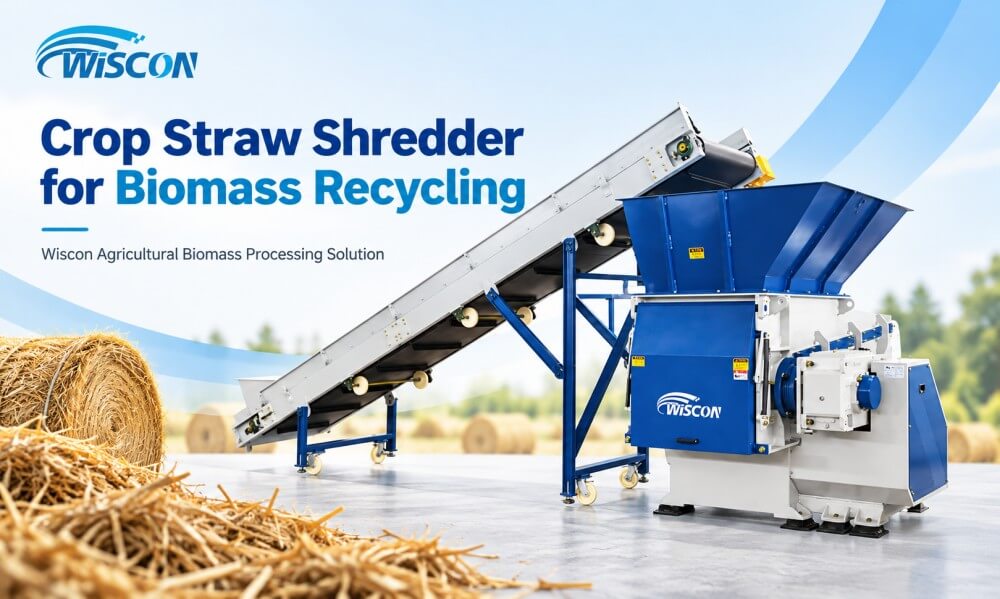 Crop Straw Shredder Supports Efficient Agricultural Biomass Recycling
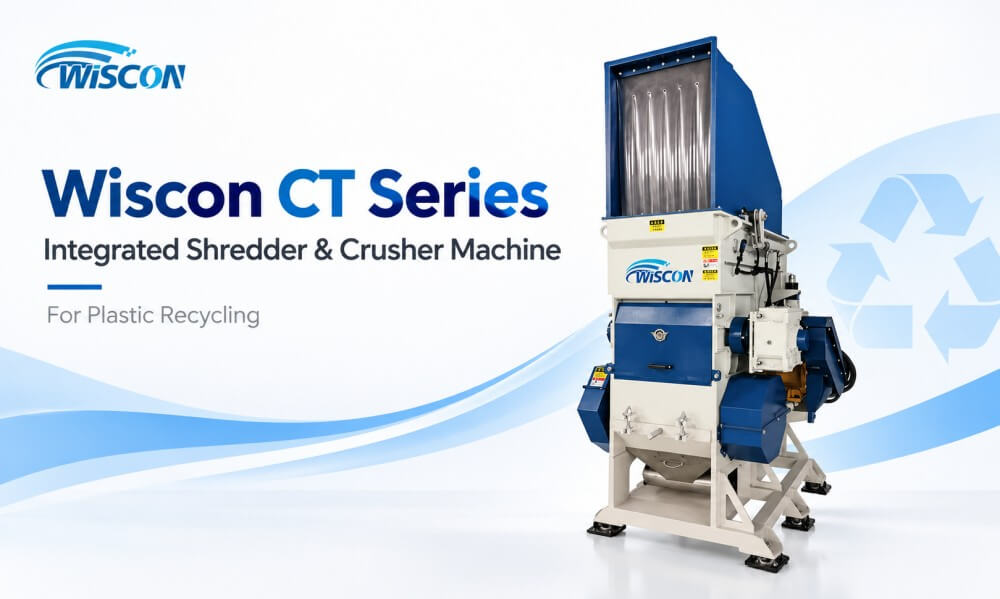 Why Are Integrated Shredder and Crusher Machines Gaining Attention in Solid Waste Recycling?
 200L Plastic Drum Shredder: How to Prevent Jamming and Improve Recycling Efficiency
 Is Leather Waste Recycling Profitable?
 How to Choose the Right Plastic Bucket Shredder for Small-Batch Paint Residue Plastic Recycling?
