Waste tires are a global challenge, often seen as an environmental hazard due to their non-biodegradable nature and the space they occupy. However, these discarded tires hold immense potential when recycled, offering benefits that span environmental preservation, resource conservation, economic gains, and enhanced public safety. This article explores the multifaceted advantages of recycling waste tires and how innovative technologies make this process more efficient than ever.
 Environmental Benefits of Recycling Waste Tyres
Recycling waste tires is a powerful step toward environmental protection. Tires can take decades to break down, polluting the environment and using up valuable land resources. By recycling, these waste materials are repurposed into usable products, reducing landfill usage and the risk of creating mosquito-breeding grounds that threaten public health. This practice significantly cuts down on harmful environmental impacts, paving the way for a cleaner, greener future.
Resource Conservation Through Tyre Recycling
Rubber, the primary material in tires, is a finite resource. Recycling waste tires allows the recovery and reuse of rubber, helping reduce dependency on raw natural rubber. This process not only saves valuable resources but also ensures the sustainable production of tires and other rubber-based products. With the demand for rubber continuing to rise, recycling provides an effective solution for resource conservation.
 Economic Opportunities in Waste Tyre Recycling
The economic benefits of tire recycling are vast and diverse. Once processed, waste tires can be transformed into rubber granules, recycled rubber, and tire-derived products. These materials have applications in industries such as:
Road construction
Sports venue surfacing
Earthquake-proofing materials
By tapping into the growing market demand for these products, businesses can create new revenue streams and generate job opportunities, boosting economic growth at both local and global levels.
Social Impact of Tyre Recycling
Recycling waste tires extends beyond environmental and economic advantages; it also has profound social implications. By recycling, we:
1.Enhance public awareness of sustainability and waste management practices.
2.Mitigate risks associated with the illegal tire trade, where substandard tires often cause accidents.
3.Improve overall road safety by ensuring inferior tires don’t re-enter the market.
4.Promoting tire recycling is, therefore, a step toward building a more conscious, safer society.
 Waste tire recycling is more than a solution to an environmental problem– it’s an opportunity to conserve resources, drive economic growth, and enhance public safety. With advancements in shredding technologies, such as those developed by companies like Wiscon Envirotech, recycling processes are becoming more efficient and accessible. By embracing waste tire recycling, we take a significant step toward a sustainable and prosperous future for our planet and society.


 Crop Straw Shredder Supports Efficient Agricultural Biomass Recycling
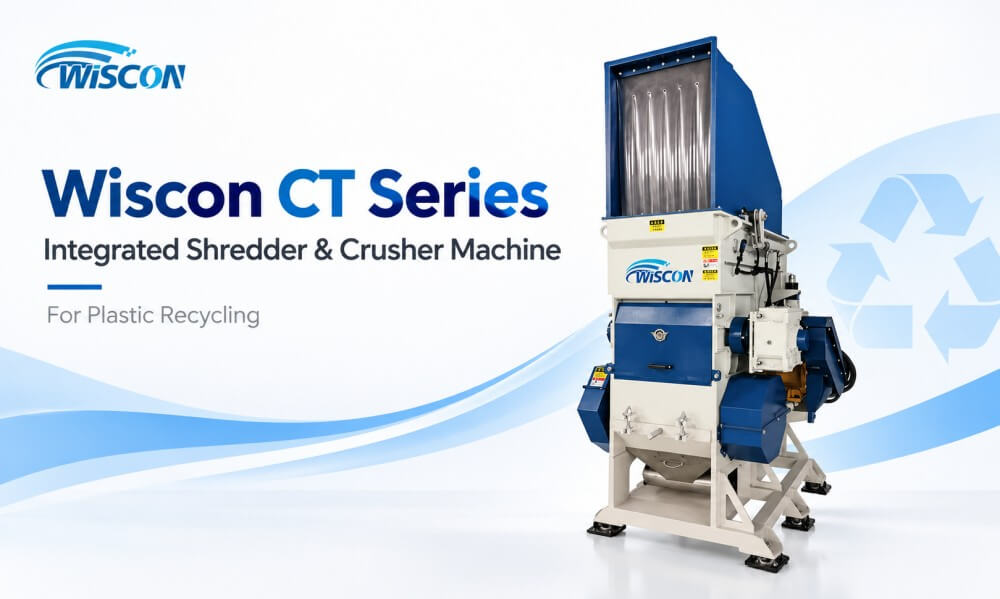 Why Are Integrated Shredder and Crusher Machines Gaining Attention in Solid Waste Recycling?
 200L Plastic Drum Shredder: How to Prevent Jamming and Improve Recycling Efficiency
 Is Leather Waste Recycling Profitable?
 How to Choose the Right Plastic Bucket Shredder for Small-Batch Paint Residue Plastic Recycling?
