In today’s fast-paced world, paper is everywhere—from office documents and packaging materials to shipping boxes and everyday essentials. As our economies expand and consumption keeps climbing, so does the amount of waste paper we generate. But here’s the good news: this isn’t just trash piling up. Waste paper, often called “secondary fiber” because it’s derived from plant-based materials like wood, bamboo, or reeds, can be recycled and turned back into useful raw materials for making new paper products.
 From an industry perspective, recycling waste paper is a smart move. It helps paper mills cut down on using fresh virgin pulp, which comes from trees or other natural sources. With stricter environmental regulations and rising costs for raw materials, many mills are blending in recycled fibers to lower their environmental footprint and save money. That said, to keep the quality consistent and avoid issues in production, the recycled paper needs to go through a careful reprocessing stage. This ensures contaminants are removed and the fibers stay strong enough for the final product, whether it’s sturdy cardboard or smooth printing paper.
Why Sorting Waste Paper by Type Makes a Big Difference
One big challenge in recycling waste paper is when everything gets mixed together without sorting. Different types of paper have unique characteristics, like varying fiber lengths, added fillers, inks, coatings, or even glues. These differences can make the recycling process trickier and affect the end result.
For example:
- Corrugated cardboard and kraft paper: These are great for products that need strength, but they often come with extras like tapes, straps, or other bits that need to be cleaned out.
- Office and printing papers: They usually have cleaner fibers, but removing inks (a process called deinking) is key to getting good results.
- Coated or laminated papers: Things like glossy magazines or food wrappers have layers that can create sticky residues, so they require more thorough screening and cleaning.
That’s why it’s best to sort waste paper by grade right from the start. Matching similar types to specific recycling streams leads to more reliable pulp quality and gets the most value out of the recovered fibers. It might take a bit more effort upfront, but it pays off in smoother operations and better products.
 Breaking Down the Waste Paper Reprocessing Process
The main aim of reprocessing is to take that collected waste paper and convert it into clean, usable pulp ready for papermaking. The exact steps can vary based on what kind of paper you’re dealing with and what the final product will be, but here’s a typical overview:
- Sorting and bale breaking: This is where you remove obvious contaminants like metals, plastics, dirt, or strings early on to protect the rest of your equipment.
- Pre-processing (like shredding, if needed): For bulky or tightly packed bales, shredding helps break things down into smaller, more manageable pieces, making it easier to feed into the next stages without clogs.
- Pulping and cleaning: Here, the paper is broken down into pulp, screened for impurities, and sometimes deinked. Fine cleaning ensures the pulp is high-quality and ready to use.
- Stock preparation and forming: Finally, the pulp is adjusted to fit the specs of the new paper product before it’s shaped on the paper machine.
Not every setup needs shredding—it really depends on your materials. If your waste paper comes in dense bales that tend to jam up conveyors or cause uneven feeding, adding a shredder at the front can make a huge difference in keeping things running smoothly.
How Wiscon’s Shredding Equipment Fits into Waste Paper Recycling
Shredders play a key role in the early stages of waste paper recycling, especially for opening bales, breaking bags, reducing bulk, and evening out the material flow. The goal is to create a steady stream for conveyors and pulpers, minimizing downtime from blockages or jams.
Wiscon offers shredding solutions tailored to different needs, with features like:
- High-torque gear reducers: These allow for slow, powerful shredding that’s perfect for tough, compacted bales.
- Dual-shaft systems: They use a combination of tearing and squeezing to handle materials of different densities effectively.
- Smart controls with overload protection: PLC systems monitor everything, automatically stopping or reversing if something goes wrong to avoid damage.
- Customizable capacity: You can adjust throughput and output size to match your specific setup, whether you’re handling a few tons a day or more.
When choosing equipment, think about what materials you’ll process most, the desired shred size, how much volume you need to handle, how it deals with contaminants, and ease of maintenance. Focusing on these practical details helps ensure the shredder integrates well into your line and delivers real efficiency gains.
 Making the Most of Waste Paper as a Renewable Resource
At its core, recycling waste paper is about extending the life of those fibers through multiple uses, reducing waste, and conserving resources. By sorting properly, controlling contaminants, and using the right equipment—like a reliable shredder from Wiscon—you can achieve consistent pulp and more efficient production. It’s not just good for the environment; it makes solid business sense too. If you’re running a recycling facility and struggling with bale handling or inconsistent feeds, investing in the right pre-processing tools could be a game-changer for your operations.


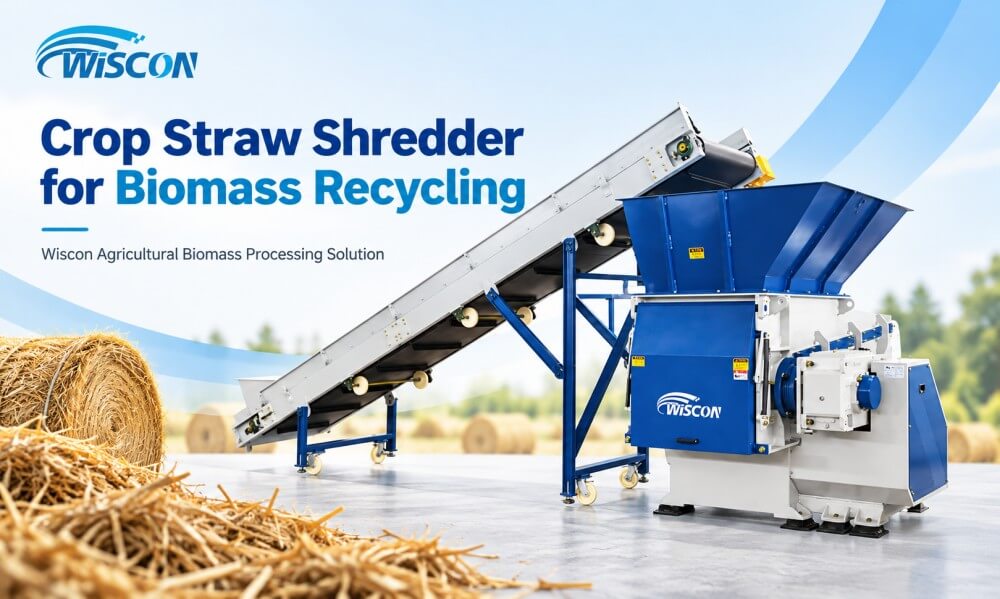 Crop Straw Shredder Supports Efficient Agricultural Biomass Recycling
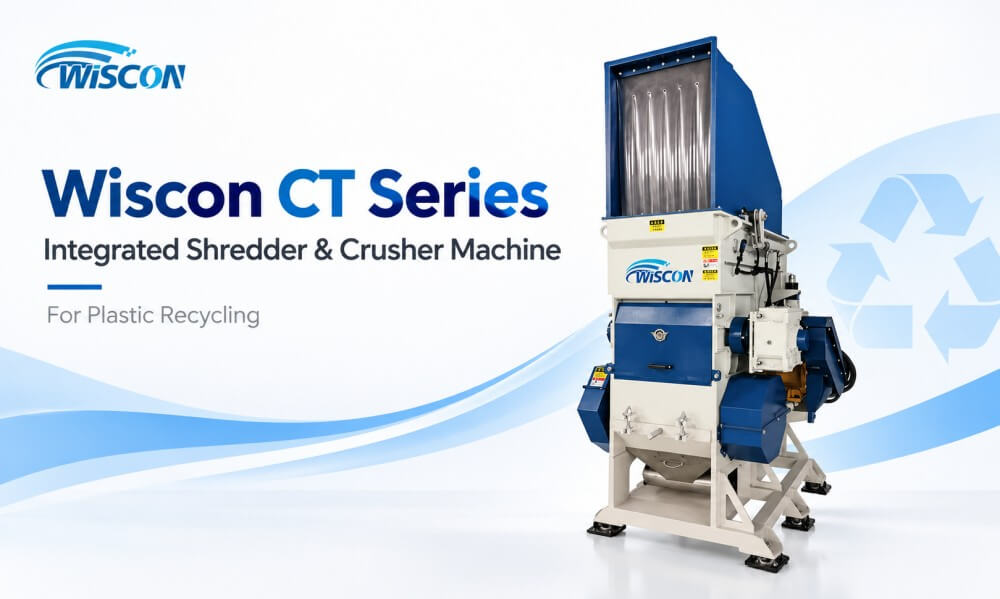 Why Are Integrated Shredder and Crusher Machines Gaining Attention in Solid Waste Recycling?
 200L Plastic Drum Shredder: How to Prevent Jamming and Improve Recycling Efficiency
 Is Leather Waste Recycling Profitable?
 How to Choose the Right Plastic Bucket Shredder for Small-Batch Paint Residue Plastic Recycling?
