Dealing with used lithium batteries has become a pressing environmental concern. With the rise in electronic devices, the number of discarded lithium batteries continues to grow. If not managed properly, these batteries can harm the environment and lead to significant resource wastage. As such, effective recycling and disposal methods are essential.
 Enhancing Recycling Efforts
A robust recycling system for used lithium batteries is vital. Governments and businesses should establish comprehensive recycling networks, encouraging consumers to dispose of their batteries at designated collection points. Public awareness campaigns and supportive policies can play a key role in boosting recycling rates. Legislation and incentives can foster a culture of environmental responsibility, ensuring waste lithium batteries are handled appropriately.
Advancing Treatment Technologies
Innovative technologies for processing waste lithium batteries are crucial. Current methods include physical disassembly, chemical treatment, and biological processing:
- Physical Disassembly: This technique separates valuable materials such as copper and aluminum.
- Chemical Treatment: Through chemical reactions, precious metals like lithium and cobalt are recovered.
- Biological Treatment: An emerging method that utilizes microorganisms to break down harmful substances within the batteries.
Continuous development of these technologies can improve the efficiency of resource recovery while minimizing environmental risks.
In the realm of physical disassembly, Wiscon Envirotech has leveraged over a decade of expertise in solid waste recycling to develop a hammer machine designed for crushing lithium batteries. These environmentally friendly machines are versatile, handling not only wood and glass but also various types of lithium batteries, including cylindrical, pouch, and prismatic designs. They can process defective products and scrap electrode materials, offering customized hammer materials like carbon steel, cast iron, and tungsten steel to suit specific requirements.
 Key features of Wiscon’s hammer machines include:
- High Precision: A spindle dynamic balance accuracy surpassing G2.5 ensures stable operation, reducing vibrations and noise.
- Sealed Design: Prevents harmful substance leakage.
- Durability: The knife rollers, made from wear-resistant materials, are precisely balanced for safety and longevity.
- Efficiency: Equipped with energy-saving motors and robust power systems.
Additionally, Wiscon’s machines contribute to broader recycling efforts, including shredding plastic for recycling, making their systems a vital part of modern waste management. Whether you’re seeking a battery hammermill or exploring the best hammer mill crusher price, Wiscon delivers reliable, high-performance solutions.
Exploring Reuse Opportunities
Repurposing used lithium batteries is another vital approach. With technological advancements, recycled batteries can be reassembled into low-capacity packs suitable for energy storage systems, power tools, and similar applications. These systems often utilize equipment like hammer mill machines or hammermills, ensuring efficient resource recovery. This not only extends battery life but also reduces the demand for raw materials, promoting a circular economy.
 Addressing the challenges posed by waste lithium batteries recycling requires a comprehensive strategy focusing on recycling, technological processing, and reuse. By adopting these measures, we can mitigate environmental harm while ensuring the sustainable use of resources. A concerted effort across governments, industries, and individuals is key to achieving these goals.


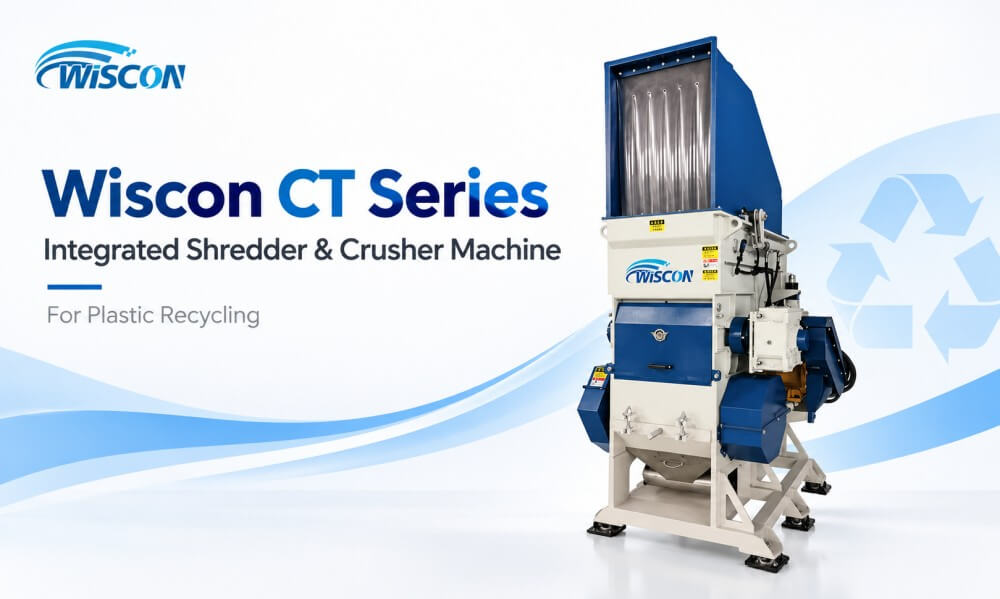 Why Are Integrated Shredder and Crusher Machines Gaining Attention in Solid Waste Recycling?
 200L Plastic Drum Shredder: How to Prevent Jamming and Improve Recycling Efficiency
 Is Leather Waste Recycling Profitable?
 How to Choose the Right Plastic Bucket Shredder for Small-Batch Paint Residue Plastic Recycling?
 Paper Mill Waste Recycling: Turning Paper Mill Rejects into RDF/SRF
