If you’re dealing with large-format materials like plastic sheets, WPC boards, PVC foam, PC or PMMA panels, aluminum-plastic composites, fiberglass-reinforced sheets, or even thin metal, an industrial sheet shredder is your go-to machine for reliable size reduction. These specialized shredders use low-speed, high-torque shearing to break down materials consistently, with features that ensure stable feeding and prevent issues like rebounding. Unlike general-purpose shredders, they’re built specifically for sheets, focusing on steady infeed, strong grip, and durability to handle tough jobs without constant jams or breakdowns.
How an Industrial Sheet Shredder Operates
At its core, a sheet shredder relies on either a single-shaft or twin-shaft rotor system to cut, tear, and compress materials at a controlled pace. Here’s a breakdown:
Twin-Shaft Models: These usually spin at 8–30 rpm, with shafts that either co-rotate or counter-rotate to grab and rip sheets apart. They’re great for initial breaking down of thicker or stacked materials.
Single-Shaft Models: Paired with a screen to regulate output size, these run at 60–100 rpm. A hydraulic pusher or press roller feeds sheets evenly into the rotor.
If the machine overloads, a smart PLC system kicks in with an auto-reverse function to clear the chamber, protecting the knives and drive system from damage. This setup keeps operations smooth and minimizes downtime.
What Sets Sheet-Dedicated Shredders Apart from the Rest
Not all shredders are created equal, especially when it comes to handling flat, wide sheets. Here’s why a dedicated design makes a big difference:
Robust Build for Longevity: Frames are heavy-duty, with knives made from tough steels like SKD11 or D2 (Cr12MoV), heat-treated for maximum hardness. Thick side plates and reinforced bearings stand up to constant torque without wearing out quickly.
Intelligent Controls for Safety: Equipped with PLC and variable frequency drives (VFD), they manage start/stop, direction changes, and overload protection. Safety features like door interlocks, emergency stops, and alarms ensure everything runs securely.
Noise and Dust Management: Enclosed designs with negative-pressure dust extraction keep particles contained, while low speeds cut down on noise right at the source.
Stable Feeding Mechanisms: Press rollers, arms, or hydraulic pushers stop sheets from floating or bouncing back, allowing knives to engage properly without slips.
Easy Adjustments for Versatility: You can tweak screen sizes, knife gaps, and feeder speeds to suit different material thicknesses and hardness levels, which helps optimize costs over time.
Consistent Performance: The low-speed, high-torque approach avoids power surges and jams, leading to steady throughput and predictable wear on parts.
These features make sheet shredders more efficient and reliable for specialized tasks compared to off-the-shelf machines.
Common Materials and Applications
Industrial sheet shredders excel with a variety of materials, including:
Plastic sheets like PE, PP, PS, ABS, PVC foam boards, and PC/PMMA.
Wood-plastic composites (WPC).
Aluminum-plastic panels.
Thin metal sheets.
Fiberglass-filled or production scraps and trims.
You’ll find them in industries such as plastics recycling, in-house reclaiming at extrusion lines, WPC processing, metal recovery, construction material recycling, and even appliance or signage manufacturing where sheet offcuts pile up.
Key Technical Specifications
To give you a clear overview, here’s a table summarizing typical ranges and options for industrial sheet shredders:
Item
Typical Range / Option
Notes
Infeed Opening Width
800–2000 mm
Always allow at least 100 mm extra beyond your maximum sheet width.
Use twin-shaft for thick sheets or packs, followed by single-shaft for final sizing.
Rotor Speed
Twin-shaft: 8–30 rpm; Single-shaft: 60–100 rpm
Lower speeds boost torque and keep the process stable.
Main Motor Power
15–160 kW (per machine)
Scales with material type, thickness, and desired throughput.
Screen Aperture
20–60 mm
20–40 mm for pelletizing; 40–60 mm for simple volume reduction.
Pressing/Feeding
Hydraulic pusher / Press roller / Press arm
Select based on material toughness and thickness.
Control & Protection
PLC + VFD + Overload auto-reverse
Includes door interlocks, E-stops, and alarm systems.
For downstream processes like pelletizing, aim for 20–30 mm particles. If it’s just about reducing volume for transport, 40–60 mm often saves money.
Why Skip a General-Purpose Shredder for Sheets?
General-purpose shredders might seem like a cheaper option, but they often fall short with sheets. Large, flexible materials can float or bridge in the hopper, leading to inconsistent feeding—something sheet-specific models counter with pressing devices. Knife designs in dedicated shredders use multi-hook or stepped teeth with spacers to control cuts and prevent stalls. Plus, materials like PVC foam or PC/PMMA create lots of fine dust and static, so better enclosures and extraction are crucial. Hoppers in sheet shredders are also shaped to guide long strips downward without clogs.
Your Buying Checklist: Avoid Common Pitfalls
Before committing to a purchase, run through this checklist to ensure the shredder fits your needs:
Assess Your Materials: Note the type (resin, metal, fillers like glass fiber), thickness range, max width, and any potential metal contaminants.
Set Output Goals: Specify target particle size and hourly throughput (kg/h), and mention if it’ll feed into a washing line or pelletizer.
Choose the Right Setup: For wide, bendy sheets, go with press rollers; for thick or hard ones, opt for twin-shaft pre-shredding plus a single-shaft with screen; for mixed loads, add adaptive speed controls.
Think About Wear and Tear: Check knife material, rotation schedules, quick-change screens, and bearing/seal designs—especially for dusty or abrasive jobs.
Prioritize Safety and Compliance: Confirm interlocks, E-stops, auto-reverses, dust extraction rates, and noise levels meet your regulations.
Test and Support: Look for suppliers who offer sample trials and on-site setup to get you up and running fast.
Following these steps can save you headaches and extra costs down the line.
Maintenance Tips to Maximize Longevity and Efficiency
Proper upkeep is where you really control the total cost of ownership. Here’s what to focus on:
Knives and Clearances: Flip knives every 200–600 tons processed (depending on the material). Replace after 3–4 flips. Keep single-shaft knife-to-screen gaps at 0.2–0.5 mm for best performance.
Bearings and Seals: In dusty or fiberglass-heavy environments, use multi-stage labyrinth seals. Schedule regular grease applications and leak inspections.
Hydraulic Systems: Maintain oil temperatures below 55°C, change filters on time, and do yearly oil tests to catch issues early.
Electrical Safety Checks: Regularly test emergency stops, door switches, and reverse functions to avoid operating with hidden faults.
By staying on top of these, your industrial sheet shredder will deliver consistent results for years, keeping downtime low and productivity high. If you’re in the market, starting with a clear understanding of your materials and goals will help you pick the perfect model.


 How an Industrial Sheet Shredder Operates
 Key Technical Specifications
 Maintenance Tips to Maximize Longevity and Efficiency
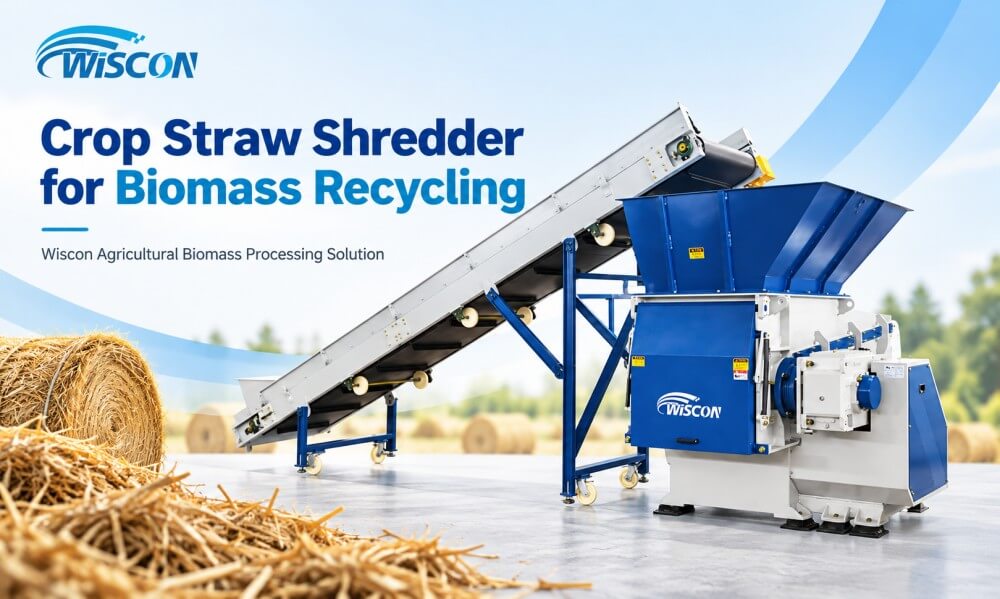 Crop Straw Shredder Supports Efficient Agricultural Biomass Recycling
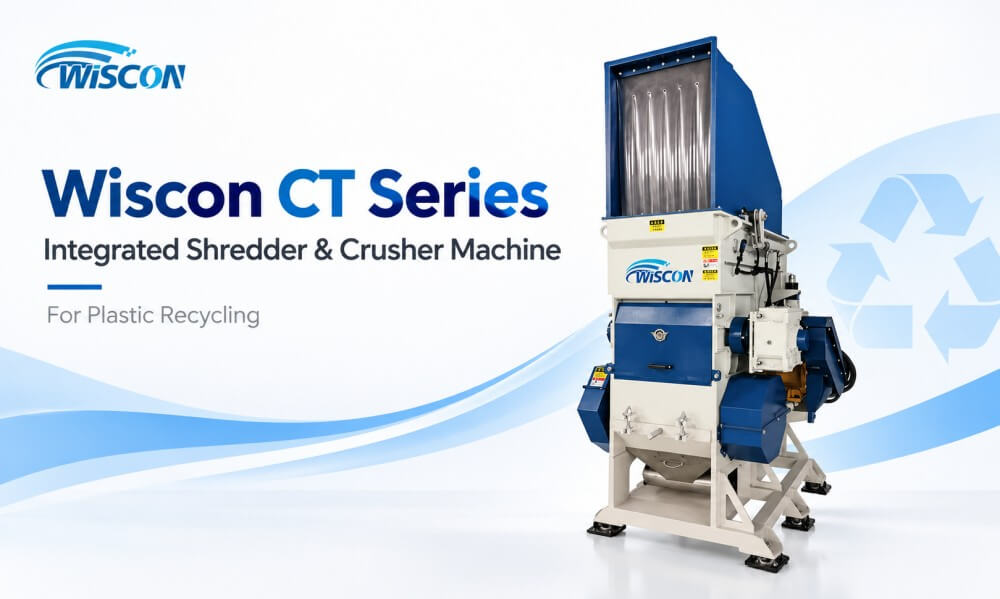 Why Are Integrated Shredder and Crusher Machines Gaining Attention in Solid Waste Recycling?
 200L Plastic Drum Shredder: How to Prevent Jamming and Improve Recycling Efficiency
 Is Leather Waste Recycling Profitable?
 How to Choose the Right Plastic Bucket Shredder for Small-Batch Paint Residue Plastic Recycling?
