Transportinglarge dual-shaft waste shredders, particularly those weighing over 20 metric tons, presents considerable challenges for engineering teams involved in municipal solid waste management projects. Issues such as equipment deformation, hydraulic oil leaks, and bolt loosening are common. Drawing from my experience working on over 12 provincial-level projects, this article explores the essential procedures and strategies employed by professionals to ensure the safe, damage-free transportation of these complex machines.
1. Proactive Risk Management: Pre-Transport Disassembly and Diagnostic Procedures
Transporting oversized shredders requires more than just simple lifting. A key case study revealed that attempting to move a full machine led to main shaft deformation and losses exceeding USD100,000. To avoid such costly mistakes, professional teams typically take the following measures:
Modular Disassembly:
Removing parts like motors, hydraulic stations, and cutter assemblies (which are individually packaged for anti-corrosion) reduces the machine’s weight from 22 tons to less than 15 tons. This significantly lowers transportation costs and minimizes risk during the journey.
Stress Testing:
Ultrasonic flaw detectors are used to check welds for potential cracks that could form due to vibrations during transport. This proactive step helps catch hidden flaws early on.
Route Simulation:
Using 3D scanning technology, teams can generate detailed contour models of the equipment to cross-reference height and width restrictions, especially when navigating bridges and tunnels. For example, the Hunan section of the G4 Expressway has a 4.5-meter height limit, requiring careful route planning.
Case Study (2023 Wuhan Project): Pre-disassembly reduced the shredder’s width from 3.8m to 2.9m, cutting specialized transport vehicle costs by 30%.
2. Advanced Protection During Transit: The Three-Tier Buffer System
Standard wooden frame stabilization has proven inefficient, with a 17% failure rate in protecting shredder cutter shafts. Our team follows a more sophisticated “Three-Tier Buffer” system:
Tier 1:
Cutter assemblies are embedded in EPE shock-absorbing molds, with a vibration damping coefficient greater than 0.95. Hydraulic dampers are also placed between the machine and transport pallet to reduce impact.
Tier 2:
Transport vehicles are fitted with air suspension systems and GPS vibration monitors. Alerts are triggered if accelerations exceed 0.5g, ensuring that the machine remains stable during transit.
Tier 3:
Magnetorheological damping systems are used to further reduce vibration, especially when traveling over uneven terrain. Speed is limited to 10 km/h to prevent excessive jarring.
Data Comparison: A third-party firm confirmed that this buffer system reduced equipment failure rates from 12.3% to just 0.8%.
3. Precision Reassembly: Ensuring Accuracy and Reliability
Once the shredder reaches its destination, transport doesn’t necessarily mean the end of the process. A significant portion of post-transport issues—up to 65% in one Dongguan project—stemmed from assembly errors. Our protocols include:
Laser Alignment:
A total station is used to confirm the horizontal alignment of the equipment, with a tolerance of no more than 0.05mm/m. This ensures the machine is positioned accurately.
Torque Management:
To prevent assembly errors, M24 bolts are tightened in three stages, adhering to preload standards of 392–441 N·m.
Dynamic Testing:
Bearing temperatures are continuously monitored during no-load operation. If temperatures rise beyond safe levels, the machine is shut down immediately to prevent damage.
Industry Innovations: Tailored Solutions for Challenging Environments
For more complex environments, such as mountainous or coastal areas, some of the latest solutions include:
Quick-Assembly Modular Shredders: These units can be deployed within 4 hours, reducing installation time.
Containerized Waterproof Transport Units: Designed to meet marine-grade anti-salt-spray standards, these containers protect sensitive equipment during transit.
Gyro-Stabilized Self-Balancing Trailers: Ideal for unpaved roads, these trailers maintain stability in challenging terrains.
Transporting large waste shredders is a multifaceted task that demands expertise in mechanical engineering, logistics, and materials science. By employing careful planning, disassembly and reassembly strategies, and advanced protective systems, teams can ensure that equipment arrives in optimal condition. This holistic approach not only prevents damage but also maximizes operational efficiency, proving that careful preparation is the key to successful equipment transportation.


 1. Proactive Risk Management: Pre-Transport Disassembly and Diagnostic Procedures
 3. Precision Reassembly: Ensuring Accuracy and Reliability
 Transporting
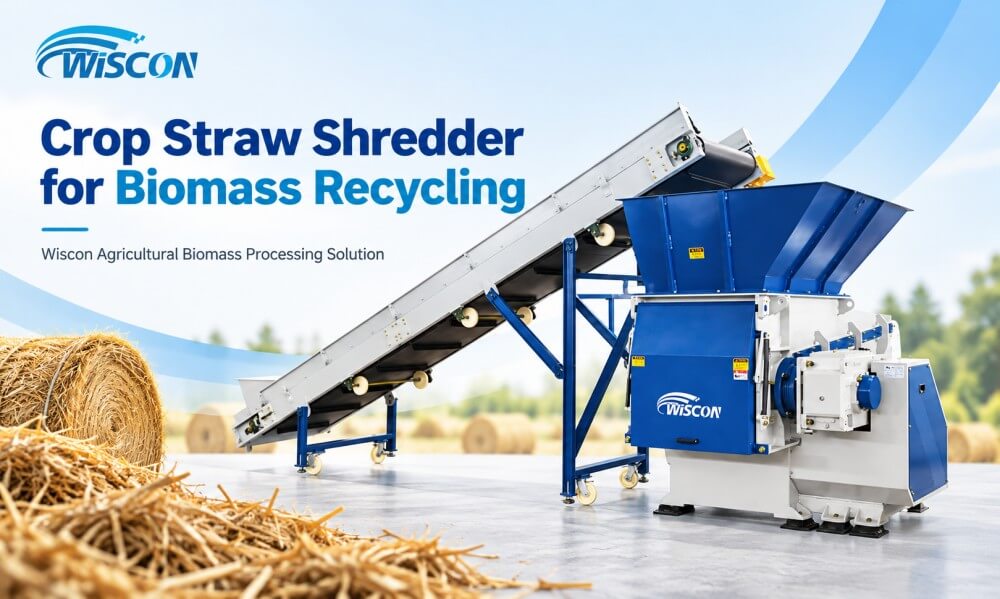 Crop Straw Shredder Supports Efficient Agricultural Biomass Recycling
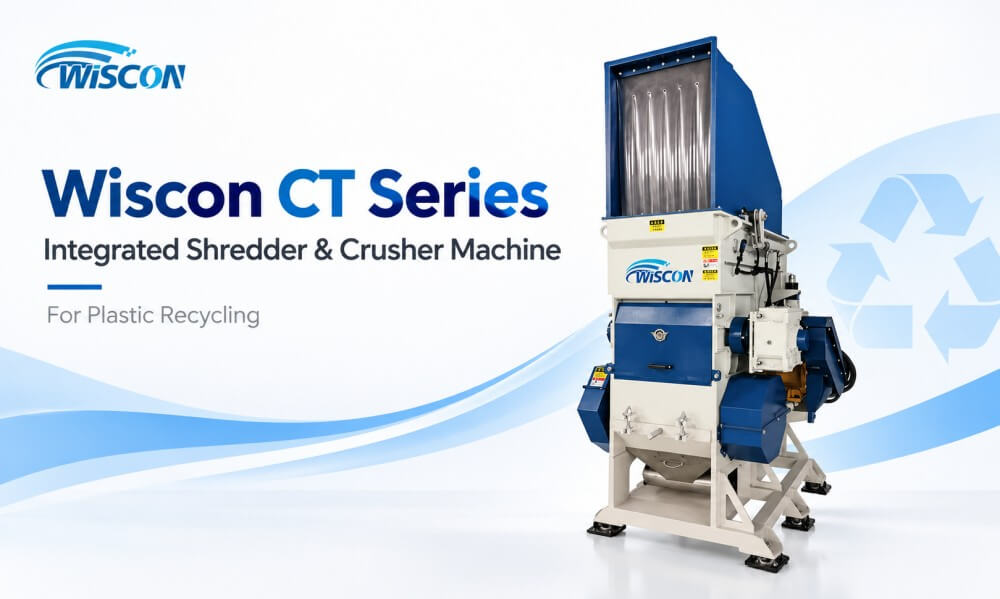 Why Are Integrated Shredder and Crusher Machines Gaining Attention in Solid Waste Recycling?
 200L Plastic Drum Shredder: How to Prevent Jamming and Improve Recycling Efficiency
 Is Leather Waste Recycling Profitable?
 How to Choose the Right Plastic Bucket Shredder for Small-Batch Paint Residue Plastic Recycling?
