As a long-time advocate for sustainable waste management, I’ve always believed in the power of turning what many see as waste into something beneficial. One of the most challenging materials to deal with in construction and demolition has been plasterboard waste. For years, it filled up landfills, took up much-needed space, and posed environmental concerns. However, the introduction of plasterboard shreddershas changed everything for me. These machines have allowed me to not only tackle this problem but also unlock new possibilities for efficient recycling, contributing to a more sustainable future. Join me as I share how these shredders have revolutionized the way I handle plasterboard waste and why they are a crucial tool in sustainable waste management.
The Challenge of Plasterboard Waste: More Than Just Trash
When I first started exploring ways to manage waste sustainably, plasterboard quickly stood out. Also known as drywall or gypsum board, it is an essential part of most construction and demolition projects. It’s made of a gypsum core, which is a type of hydrated calcium sulfate, sandwiched between two layers of recycled paper. At first glance, it might seem like just another inert building material, but it comes with a set of environmental challenges. When plasterboard ends up in landfills, it can break down under anaerobic conditions, releasing harmful hydrogen sulfide gas. This not only smells unpleasant but also contributes to air pollution and can even be corrosive. Given the large amounts of plasterboard waste generated daily, it’s clear that finding a way to divert it from landfills could help address both space and environmental issues, all while giving this material a second life.
Preparing Plasterboard for Shredding: The Importance of Proper Preparation
Before I can run plasterboard through a shredder, preparation is key to ensuring the best results. Skipping this step can lead to equipment damage, lower recycling quality, and inefficiency. One important best practice I follow is source separation. This means ensuring plasterboard waste is kept separate from other debris from the very start—right at the demolition or renovation stage. If plasterboard is mixed with wood, metal, or plastics, it can contaminate the waste stream, making the recycling process much more difficult.
Next, I focus on removing any large contaminants before shredding. While achieving 100% purity on a large scale can be challenging, I make sure to remove things like big metal pieces, wires, and plastics. This step not only protects the industrial plasterboard shredder but also ensures that the recycled gypsum is as clean as possible, which is essential for its future use. For larger operations, I also use magnets and air classification systems during later stages to improve the purity of the recycled material.
Turning Waste Into Value: What Happens to Recycled Gypsum?
This is where the real magic happens. Once the plasterboard is shredded and the gypsum core is separated from the paper backing, it becomes a highly versatile material, ready for a second, third, or even fourth life. One of the most important applications for recycled gypsum is in agriculture. It’s an excellent soil conditioner, improving soil structure, water infiltration, and even helping to reclaim sodic soils, which can be difficult for farmers to manage. By providing essential nutrients like calcium and sulfur, recycled gypsum helps crops thrive, making it a valuable addition to agricultural practices.
But gypsum’s potential doesn’t stop there. It can also be used in the production of new plasterboard, contributing to a truly circular economy. Additionally, recycled gypsum serves a crucial role in cement manufacturing, where it acts as a setting time retarder. Other industries have also found innovative ways to use it in specialty plasters and fillers. For me, the key takeaway is that plasterboard shredding doesn’t just divert waste—it creates a reliable supply of valuable resources, reduces the need for raw materials, and plays a significant role in promoting a more sustainable economy.
Weighing the Costs and Benefits of Shredding Operations
Investing in a plasterboard shredder wasn’t just a decision based on sustainability—it made strong business sense, too. Before making the investment, I conducted a thorough cost-benefit analysis, which I recommend anyone considering this route should do as well. The costs include the purchase of the shredder, which varies depending on its capacity and features, as well as ongoing operational expenses such as energy, maintenance, and labor. Additionally, space is required to store the equipment and handle the material.
Despite the initial costs, the benefits far outweigh them. For one, shredding plasterboard has drastically reduced landfill tipping fees, which can be substantial, especially when dealing with large quantities of waste. By recycling plasterboard, I save a significant amount on disposal costs. Furthermore, the sale of recycled gypsum provides an additional revenue stream, and although prices can fluctuate, a steady supply of quality gypsum is always in demand. On top of the direct financial gains, there’s the added benefit of operational efficiency—having no bulky skips filled with plasterboard and a positive public image due to the commitment to sustainability.
Looking Ahead: A Vision for the Future of Plasterboard Recycling
Reflecting on my journey with plasterboard shredding, I’ve come to see that sustainable waste management isn’t just a lofty ideal—it’s an achievable goal with clear and measurable benefits. As I look to the future, I envision a world where plasterboard is no longer seen as waste but as a valuable resource that is integrated into a circular economy. I see a future where collaboration between demolition companies, recyclers, and end-users of recycled gypsum becomes the norm, making recycling more efficient and widespread.
I’m hopeful that with future advancements in shredding technology, we will see even more energy-efficient machines capable of handling minor impurities more effectively, and potentially even refining the separation process further. I also hope to see more regional recycling hubs that make it easier for small-scale projects to join the recycling effort, reducing overall costs and environmental impact.
Ultimately, my goal is to help create a system where plasterboard waste is entirely diverted from landfills, maximizing its potential and minimizing its environmental footprint. It’s an ambitious vision, but with the right tools and a commitment to sustainable practices, I believe it’s within our reach.


 The Challenge of Plasterboard Waste: More Than Just Trash
 Turning Waste Into Value: What Happens to Recycled Gypsum?
 Looking Ahead: A Vision for the Future of Plasterboard Recycling
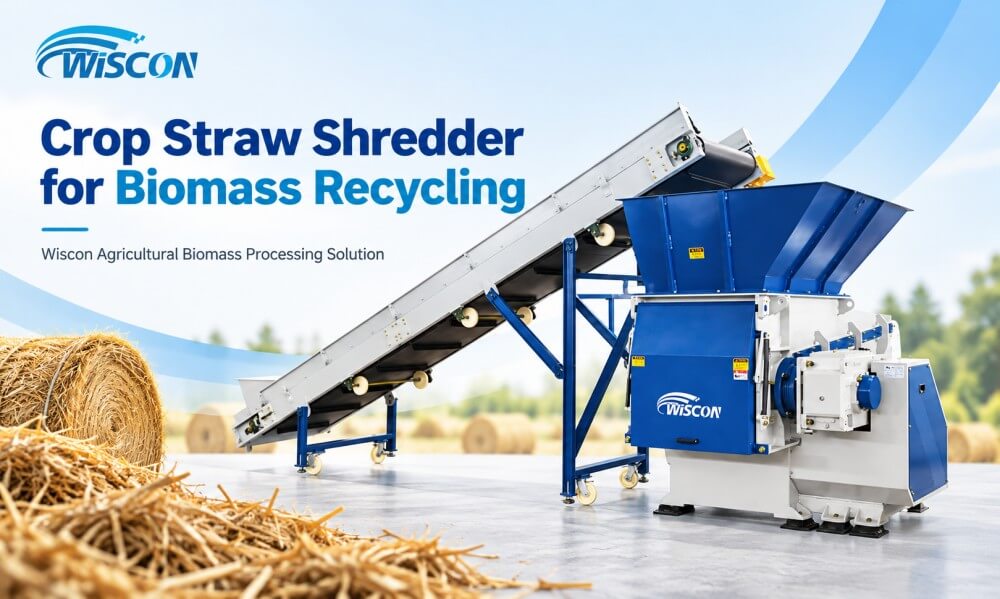 Crop Straw Shredder Supports Efficient Agricultural Biomass Recycling
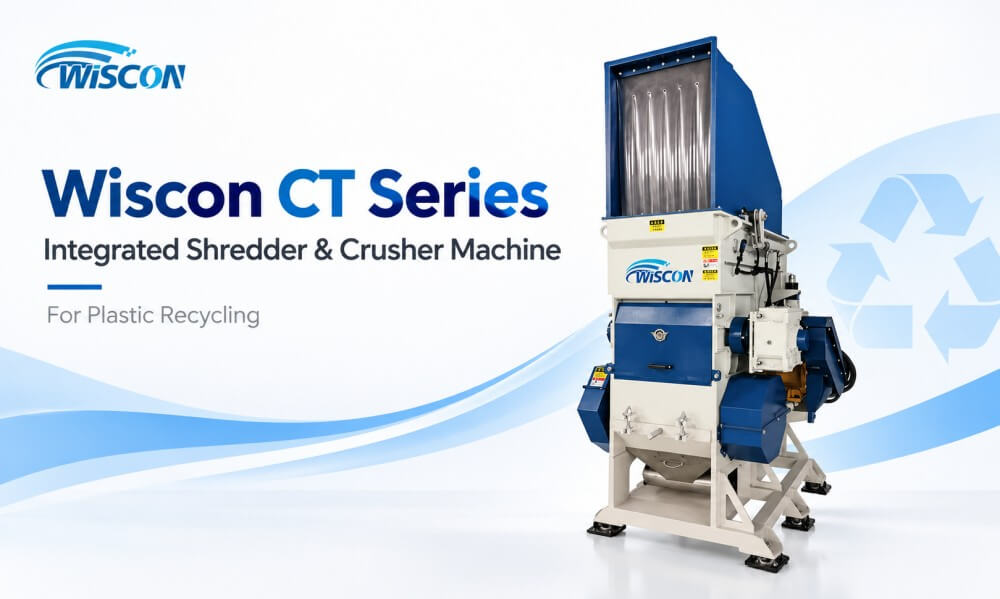 Why Are Integrated Shredder and Crusher Machines Gaining Attention in Solid Waste Recycling?
 200L Plastic Drum Shredder: How to Prevent Jamming and Improve Recycling Efficiency
 Is Leather Waste Recycling Profitable?
 How to Choose the Right Plastic Bucket Shredder for Small-Batch Paint Residue Plastic Recycling?
