As the global market for renewable energy continues to expand, coconut shell recycling is becoming an increasingly valuable part of the biomass fuel supply chain. What was once treated as a low-value agricultural by-product is now widely recognized as a practical feedstock for briquette production, charcoal processing, and other biomass energy applications.
Coconut shells offer strong fuel potential, but their high hardness, irregular shape, and bulky structure make them difficult to process efficiently in raw form. This is why a coconut shell shredder is now considered an essential machine in many recycling and fuel preparation lines. By reducing shell size and improving material consistency, shredding helps optimize handling, support downstream processing, and improve overall production efficiency.
 Why Coconut Shell Recycling Matters in Biomass Fuel Production
The growing interest in coconut shell recycling is closely linked to the fuel characteristics of coconut shell itself. According to published studies, coconut shell generally has a gross calorific value in the range of 17.3–19.4 MJ/kg, which makes it a competitive biomass material for thermal energy use. Its moisture content is often reported between 5.6% and 9.4%, while ash content is typically low, around 0.66% to 1.8%.
These properties are important for fuel producers. A relatively high heating value means better energy potential, while low ash content helps reduce residue-related issues during combustion or thermal conversion. In addition, some studies report that coconut shell carbon content can exceed 50%, making it especially suitable for carbonization and solid fuel production.
For biomass processors, this makes coconut shell more than just waste. It becomes a reusable raw material with real commercial value.
The Role of a Coconut Shell Shredder in the Recycling Process
Despite its potential as a biomass resource, raw coconut shell is not easy to handle. Whole shells are bulky, uneven, and difficult to feed consistently into downstream systems. Without proper size reduction, they can cause unstable material flow, poor conveying efficiency, and interruptions in the production line.
A coconut shell shredder solves this problem at the front end of the process. By reducing oversized shells into a more uniform size, the shredder improves the efficiency of screening, conveying, drying, grinding, and briquetting. This is not simply a matter of reducing volume. It is about preparing the material for consistent industrial processing.
For companies involved in coconut shell recycling, this step is critical because upstream material control has a direct effect on downstream performance.
How Coconut Shell Shredders Improve Biomass Fuel Efficiency
In biomass fuel production, feedstock preparation has a major impact on final product quality. More uniform raw material generally leads to better compaction, improved density, and more stable product performance.
This is supported by experimental data. One study found that coconut shell material processed to 8 mm particle size achieved a bulk density of approximately 341.5 kg/m³, compared with 312.5 kg/m³ for material processed to 12 mm. The same study also showed that, under suitable forming pressure, processed coconut shell briquettes reached a mechanical durability of up to 96.8% and a density of 976.4 kg/m³.
These figures are important because they show that particle size control is not a minor technical detail. It has a measurable effect on compaction quality, handling strength, and transportation performance. A properly selected coconut shell shredder helps create more consistent feedstock, which supports better results in the full biomass fuel production process.
Lower Transportation and Storage Costs
One of the most practical advantages of using a coconut shell shredder is the reduction of transportation and storage inefficiencies. Whole coconut shells are difficult to stack efficiently because of their irregular shape and large void space. This increases storage demand and reduces transport efficiency per load.
Once shredded, however, the material becomes easier to store, easier to move, and easier to feed into subsequent equipment. For large-scale biomass fuel plants, this can reduce warehouse space requirements, improve conveying efficiency, and lower the cost of moving usable raw material through the system.
In many industrial operations, these savings become significant over time. That is why shredding is often seen not only as a processing step, but also as a cost-control strategy.
Supporting Sustainable Biomass Fuel Development
The long-term growth of the biomass fuel industry depends on the availability of reliable and scalable feedstock sources. Coconut shell recycling supports this goal by converting agricultural residue into a useful energy product instead of allowing it to be discarded or openly burned.
In coconut-producing regions, large volumes of shell waste are generated every day. By collecting, shredding, and preparing this material for energy use, processors can improve resource utilization and create additional economic value from an existing waste stream. This contributes to a more circular production model and supports the broader shift toward renewable solid fuels.
A coconut shell shredder plays an important role in making this transition practical at the industrial level.
How to Choose the Right Coconut Shell Shredder
For buyers in the biomass fuel industry, selecting the right coconut shell shredder should be based on process requirements rather than initial price alone. Key considerations include feed size, target output size, machine structure, blade and shaft design, wear resistance, throughput capacity, and compatibility with downstream equipment.
If the final application is briquette or pellet production, output consistency is especially important. If the line includes carbonization or secondary grinding, then machine durability and stable throughput become more critical. A suitable shredder should not only process coconut shell effectively, but also match the actual needs of the full recycling and fuel production system.
For industrial users, the best equipment solution is usually the one that delivers reliable performance, consistent output, and lower total operating cost over time.
Conclusion
As renewable energy markets continue to grow, coconut shell recycling is becoming a more important raw material channel for the biomass fuel sector. With calorific values of 17.3–19.4 MJ/kg, low ash content of 0.66%–1.8%, and carbon content that can exceed 50%, coconut shell has clear potential as a biomass fuel feedstock.
However, to unlock that value in practical production, efficient size reduction is essential. A coconut shell shredder helps reduce material size, improve handling efficiency, support better densification, and lower storage and transport costs. For companies aiming to improve production efficiency and fuel quality, shredding is often the first step toward a more stable and commercially viable biomass processing line.
FAQ
What is a coconut shell shredder used for?
A coconut shell shredderis used to reduce whole coconut shells into smaller and more uniform pieces for easier conveying, storage, drying, grinding, briquetting, or carbonization. It is an important machine in both coconut shell recyclingand biomass fuel processing lines.
Why is coconut shell suitable for biomass fuel production?
Coconut shell is widely used in biomass fuelapplications because it offers a relatively high calorific value of about 17.3–19.4 MJ/kg, low moisture content, and low ash content. These properties make it suitable for briquettes, charcoal, and other solid fuel products.
How does a coconut shell shredder improve production efficiency?
A coconut shell shredderimproves efficiency by creating more consistent feedstock for downstream equipment. Better size control can improve bulk density, reduce material handling problems, and support more stable fuel production.
Can shredded coconut shell reduce transportation and storage costs?
Yes. Shredded material is easier to stack, transport, and feed into processing equipment. Compared with whole shells, shredded coconut shell generally uses storage space more efficiently and lowers handling costs.
What should I consider when choosing a coconut shell shredder?
Key factors include feed size, output size requirement, throughput capacity, blade design, shaft structure, wear resistance, and compatibility with downstream equipment. The right machine should match your actual coconut shell recyclingor biomass fuelproduction needs.
Is coconut shell recycling profitable?
In many regions, coconut shell recyclingcan create additional value by turning agricultural waste into marketable fuel or charcoal products. Profitability depends on raw material availability, processing cost, and the demand for biomass fuel in the target market.
CTA
Looking for a reliable coconut shell shredder for your biomass fuel production line? We provide equipment selection support based on your material condition, output demand, and application goals. Send us your raw material details and capacity requirements, and we will recommend a suitable solution for your project.


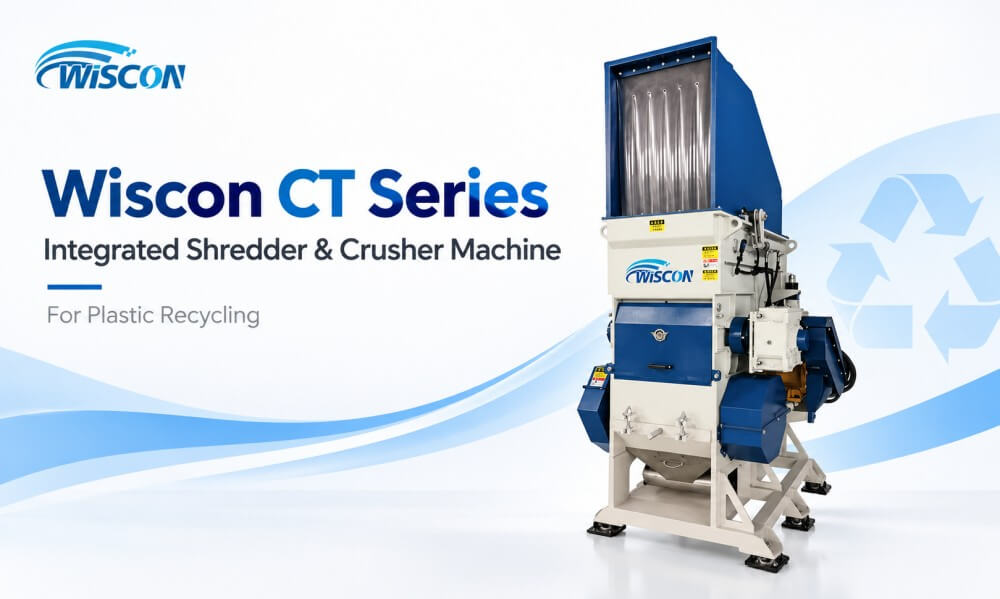 Why Are Integrated Shredder and Crusher Machines Gaining Attention in Solid Waste Recycling?
 200L Plastic Drum Shredder: How to Prevent Jamming and Improve Recycling Efficiency
 Is Leather Waste Recycling Profitable?
 How to Choose the Right Plastic Bucket Shredder for Small-Batch Paint Residue Plastic Recycling?
 Paper Mill Waste Recycling: Turning Paper Mill Rejects into RDF/SRF
