Printed Circuit Boards (PCBs) are vital components in nearly all electronic devices, but they also contribute significantly to electronic waste (e-waste). Recycling PCBs not only helps mitigate environmental damage but also recovers valuable materials like copper, gold, and silver. However, the complexity of the recycling process, combined with the need for efficient methods, makes PCB board recycling a challenging but rewarding task. This article explores the role of industrial shredders in making PCB board recycling more effective, offering insights into the benefits, processes, and technologies that contribute to more sustainable e-waste management.
 Why PCB Recycling is Crucial
PCB board recycling is essential due to the mix of valuable and hazardous materials in PCBs. On one hand, they contain precious metals like gold, silver, and copper, which can be recovered through electronic circuit board recycling. On the other hand, they also contain hazardous substances such as lead and mercury, which can cause environmental damage if not handled properly. Efficient recycling of PC board recycling helps recover these valuable materials, reduces e-waste, and lowers the need for raw material mining, which in turn decreases the carbon footprint. Understanding the importance of PCB board recycling is key to addressing the growing e-waste crisis.
The Challenges of Recycling PCBs.
Recycling PC board recycling has its challenges. The complex composition of PCBs, which includes a mix of metals, plastics, and fiberglass, makes it difficult to separate the valuable materials without causing damage. Additionally, the presence of hazardous substances such as lead and mercury adds a layer of risk to the recycling process. Another issue is the economic viability of electronic circuit board recycling, as the costs associated with processing can be high. With efficient methods, the financial returns might justify the recycling efforts.
How Industrial Shredders Help in PCB Recycling
Industrial shredders play a pivotal role in overcoming the challenges of PCB board recycling. These machines are designed to break down circuit boards into smaller, more manageable pieces, making the separation of materials easier and more efficient. By shredding PCBs into smaller fragments, industrial shredders help extract metals, plastics, and fiberglass with greater ease. Moreover, shredding also aids in encapsulating hazardous materials, reducing the risk of exposure during the recycling process. This not only improves efficiency but also enhances safety for workers involved in the recycling operations.
 Types of Shredders Used in PCB Recycling
There are several types of industrial shredders used in the PCB board recycling process, each designed for specific tasks:
Single-Shaft Shredders: These are ideal for breaking down larger PC board recycling into smaller, manageable pieces.
Dual-Shaft Shredders: Used for tougher materials, these shredders are perfect for denser or thicker PCBs.
Granulators: These further reduce shredded materials into fine particles, which helps in the precise separation of components for recovery.
Selecting the appropriate shredder depends on the specific needs of the recycling facility, the types of PCBs being processed, and the volume of e-waste being handled.
The Shredding Process: A Step-by-Step Guide
The shredding process is typically the first step in PCB board recycling, and it involves several stages:
- Input:Circuit boards are first fed into the shredder.
- Primary Shredding:The large boards are reduced to smaller fragments.
- Secondary Shredding:The fragmented pieces are then further broken down to facilitate easier separation.
- Output Sorting: After shredding, the materials are sorted based on their type– metal, plastic, fiberglass– preparing them for further recovery methods like chemical extraction or smelting.
This process significantly streamlines the entire recycling operation and helps ensure higher recovery rates of valuable materials.
Environmental and Economic Benefits of PCB Shredding
Efficient PCB board recycling not only offers significant environmental benefits but also creates economic advantages:
Environmental Benefits: Shredding reduces the volume of e-waste sent to landfills, contributing to waste reduction. It also allows for the extraction and reuse of metals, which reduces the need for mining and lowers the carbon footprint associated with raw material extraction.
Economic Benefits: Industrial shredders maximize the recovery of valuable materials, which increases the profitability of the PC board recycling process. Additionally, shredding reduces the time and labor required for manual sorting, improving operational efficiency and scalability. By investing in industrial shredders, recycling facilities can handle larger volumes of PCBs while maintaining high recovery rates.
 The efficient recycling of PCBs is critical for both environmental sustainability and economic profitability. Industrial shredders are key players in this process, as they simplify the separation of materials, improve the safety of recycling operations, and enhance overall efficiency. By utilizing the right shredding technology, recycling facilities can maximize resource recovery, reduce e-waste, and support a more sustainable future. As the demand for electronic devices grows, so too does the need for effective PCB board recycling, making industrial shredders an indispensable tool in the fight against e-waste.


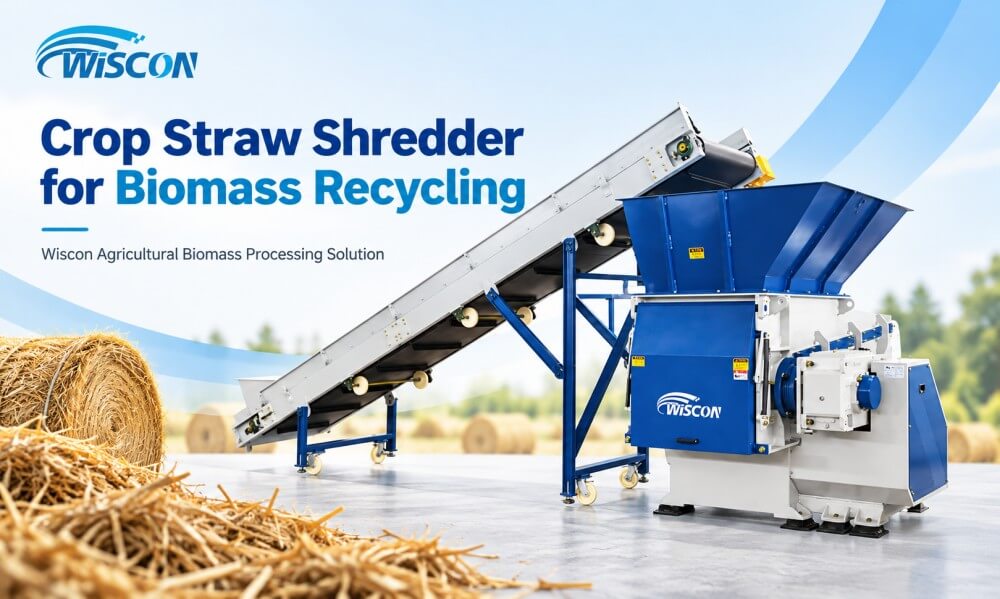 Crop Straw Shredder Supports Efficient Agricultural Biomass Recycling
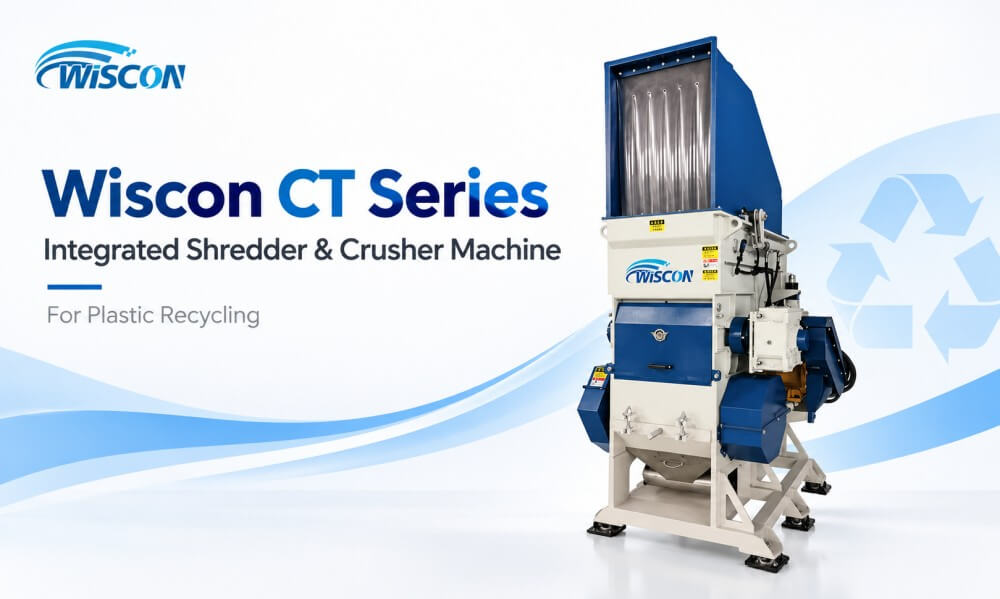 Why Are Integrated Shredder and Crusher Machines Gaining Attention in Solid Waste Recycling?
 200L Plastic Drum Shredder: How to Prevent Jamming and Improve Recycling Efficiency
 Is Leather Waste Recycling Profitable?
 How to Choose the Right Plastic Bucket Shredder for Small-Batch Paint Residue Plastic Recycling?
