Every sugarcane harvest creates a large amount of leftover leaves in fields and processing sites. When these leaves are dumped, left in piles, or burned in the open, they can cause unnecessary environmental problems and waste a useful biomass resource. With the right pre-shredding and processing system, sugarcane leaves can be transformed from a disposal challenge into a valuable material for fuel, compost, and bio-based products.
As more industries focus on sustainable waste management and biomass recycling, sugarcane leaf resource recovery is becoming an increasingly practical and profitable option.
Why Sugarcane Leaves Have Recycling Value
Sugarcane leaves are not just agricultural waste. When properly processed, they can be used in several resource recovery applications.
One of the most effective uses of sugarcane leaves is in the production of refuse-derived fuel (RDF). After shredding, removing contaminants, fine crushing, and densifying, the material can be turned into compact fuel rods, blocks, or pellets. Depending on moisture content and process conditions, the calorific value can reach around 3,500–4,000 kcal/kg, making it suitable for industrial boilers and other thermal energy systems that need an alternative to traditional fossil fuels.
2. Organic Fertilizer and Composting
Pre-shredded sugarcane leaves also work well as a raw material for organic fertilizer production. Shredding opens up the fibrous structure, making the material easier for microorganisms to decompose. When mixed with livestock manure or other organic waste, sugarcane leaves can support efficient composting and help produce fertilizer that improves soil texture, water retention, and nutrient-holding capacity.
3. Bio-Based Material Applications
With further fiber treatment, sugarcane leaves can also be used in eco-friendly biomass products, such as packaging materials, fiber boards, and other plant-based alternatives. This creates another value-added outlet for agricultural residues while supporting the development of greener materials.
4. Biogas and Anaerobic Digestion
In biogas projects, pre-shredded sugarcane leaves can serve as a supplementary biomass feedstock. Reducing the size of the material helps improve feeding consistency and fermentation stability, which is important for the long-term performance of anaerobic digestion systems.
Why Pre-Shredding Matters in Sugarcane Leaf Processing
Sugarcane leaves are light, bulky, fibrous, and easy to tangle. These characteristics make them difficult to handle without proper front-end treatment. In many biomass recycling projects, pre-shredding is not just a basic preparation step. It is a critical stage that affects feeding stability, impurity removal, equipment performance, and the quality of the final product.
A well-designed sugarcane leaf processing line can solve common operational issues such as:
material wrapping and fiber entanglement
uneven feeding
equipment blockage
inconsistent discharge size
lower downstream forming efficiency
For this reason, selecting the right shredding and biomass recovery system is essential.
A Typical Sugarcane Leaf Pre-Shredding and Resource Recovery Process
Wiscon provides integrated solutions for biomass residue recycling, including sugarcane leaf processing. A standard processing line usually includes the following steps:
1. Uniform Feeding
The sugarcane leaves are first delivered by a plate conveyor to ensure continuous and even feeding. Compared with manual loading, this method improves workflow stability, reduces labor demand, and helps maintain smooth operation in the shredding stage.
2. Primary Shredding and Fiber Opening
The material then enters a dual-shaft biomass shredder for initial size reduction. Since sugarcane leaves are long and prone to wrapping, the shredder is designed with an anti-winding shaft structure to reduce tangling and improve throughput. After this step, the material is commonly shredded into pieces of around 3–5 cm, making it easier to handle in later stages.
3. Impurity Removal
After primary shredding, the material passes through a magnetic separator to remove ferrous contaminants such as nails, wire, and metal fragments. This step helps protect downstream equipment, reduce wear, and improve final product purity.
4. Fine Crushing
The cleaned material is then processed in a biomass crusher for finer size reduction. With an adjustable screen system, the final output size can be controlled to below 1 cm, depending on the needs of the end product. A more uniform particle size increases surface area and supports better densification and product consistency.
5. High-Density Forming
Finally, the processed biomass enters the RDF forming system. Under high temperature and pressure, the loose material is compressed into dense fuel rods, pellets, or blocks. The finished product can reach a bulk density of around 1.0–1.2 t/m³, with improved storage, transport, and combustion performance.
Environmental and Commercial Benefits
A properly designed sugarcane leaf recycling line delivers both environmental and economic value. Instead of treating sugarcane leaves as waste, businesses can turn them into useful resources while improving site cleanliness and reducing open burning.
Key benefits include:
better agricultural waste management
reduced environmental pressure
improved material handling efficiency
more stable downstream processing
higher-value biomass utilization
stronger support for sustainability and compliance goals
For companies involved in agriculture, biomass energy, organic fertilizer, or waste recycling, sugarcane leaf processing can open new opportunities for resource recovery and revenue generation.
Wiscon Sugarcane Leaf Shredding and Biomass Recovery Solutions
Wiscon specializes in solid waste shredding equipment and resource recovery systems, providing everything from standalone machines to complete integrated processing lines. According to different capacity needs, raw material conditions, and end-product goals, the system can be customized for real project requirements.
For businesses looking to improve sugarcane residue management and increase the value of biomass waste, a reliable sugarcane leaf shredding and RDF production line can support both operational efficiency and long-term commercial returns.
For more information about sugarcane leaf shredding equipment, RDF production systems, or complete biomass recycling solutions, contact Wiscon for a customized proposal.


 Why Sugarcane Leaves Have Recycling Value
 Why Pre-Shredding Matters in Sugarcane Leaf Processing
 Environmental and Commercial Benefits
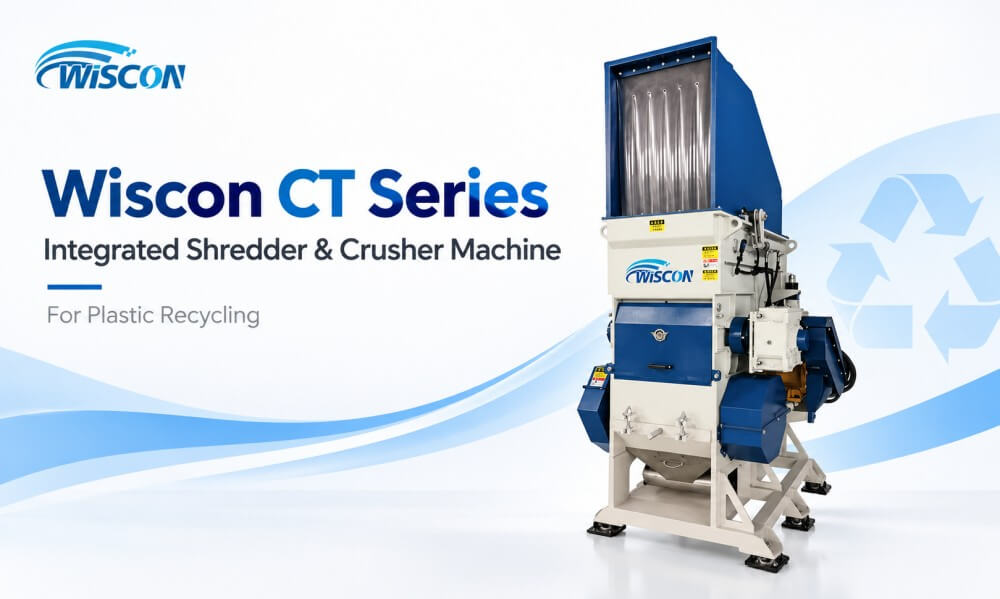 Why Are Integrated Shredder and Crusher Machines Gaining Attention in Solid Waste Recycling?
 200L Plastic Drum Shredder: How to Prevent Jamming and Improve Recycling Efficiency
 Is Leather Waste Recycling Profitable?
 How to Choose the Right Plastic Bucket Shredder for Small-Batch Paint Residue Plastic Recycling?
 Paper Mill Waste Recycling: Turning Paper Mill Rejects into RDF/SRF
