With the advancement of carbon neutrality and carbon peak goals, the concept of a circular economy has become a central part of modern societal development. In this context, the resource utilization of renovation waste is gradually emerging as a key focus in the waste management industry. Specifically, light materials within renovation waste, due to their high combustible content, have become an ideal candidate for alternative fuels.
Composition of Renovation Waste Light Materials and Market Advantages
Renovation waste light materials mainly consist of wood, plastic, composite boards, fabrics, and other materials, accounting for approximately 30% of the total renovation waste. Compared to traditional industrial waste, these light materials offer two key advantages: First, the collection cost is only one-third of that for industrial waste, significantly reducing resource acquisition costs. Second, the calorific value of these light materials reaches 4000 kcal, and with proper processing, they can rival medium-quality coal as an alternative fuel source.
How to Achieve Efficient Resource Utilization of Renovation Waste Light Materials
To convert renovation waste light materials into efficient alternative fuels, a sophisticated crushing and screening system is necessary. Wiscon has developed a comprehensive processing solution to meet this demand:
Primary Crushing: The material is first processed by a dual-shaft coarse shredder for initial breakdown.
Metal Separation: After crushing, the material passes through a magnetic separator to remove metal components, which are then recovered separately.
Heavy Material Separation: The remaining material is fed into an air classifier to remove heavy substances like bricks and stones.
Secondary Crushing: The remaining light materials are further processed by a single-shaft fine shredder to achieve a more uniform consistency.
Shaping and Compression: The crushed material is then either compressed into RDF fuel pellets using a molding machine or directly packaged into standard units with a baling machine.
Through this process, the high-quality RDF/SRF fuel produced can be sold to power plants, cement factories, paper mills, steel plants, and other energy-intensive industries, achieving both effective resource recovery and significant economic benefits.
As a promising alternative fuel, renovation waste light materials are increasingly becoming valuable as technology continues to improve. With advanced crushing, screening, and sorting technologies, we can enhance resource recovery rates and make a positive contribution to environmental protection and the energy sector. As the circular economy model becomes more widespread, the resource utilization of renovation waste light materials will continue to expand, offering even greater potential for development.


 Composition of Renovation Waste Light Materials and Market Advantages
 As a promising alternative fuel, renovation waste light materials are increasingly becoming valuable as technology continues to improve. With advanced crushing, screening, and sorting technologies, we can enhance resource recovery rates and make a positive contribution to environmental protection and the energy sector. As the circular economy model becomes more widespread, the resource utilization of renovation waste light materials will continue to expand, offering even greater potential for development.
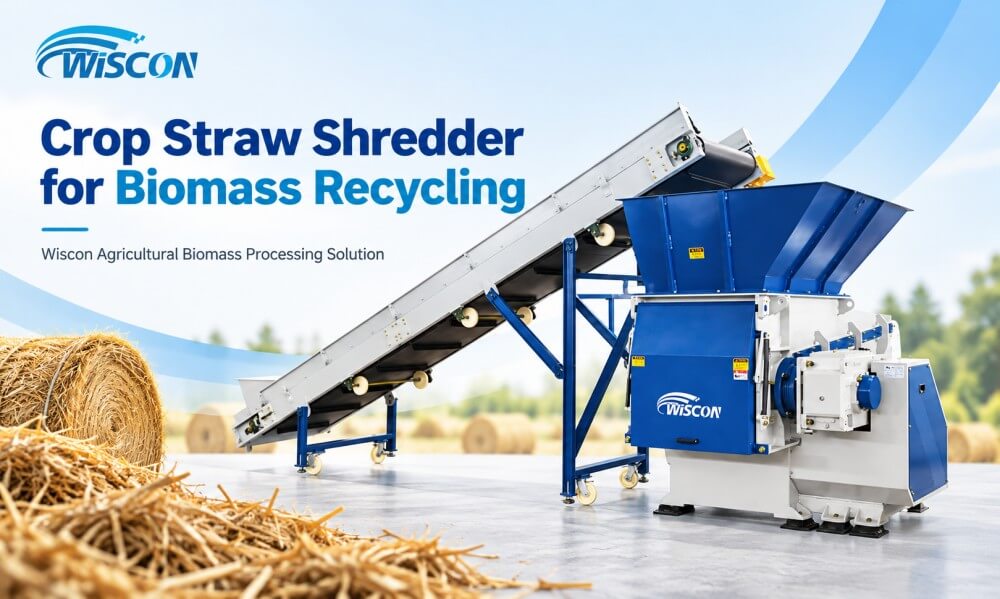 Crop Straw Shredder Supports Efficient Agricultural Biomass Recycling
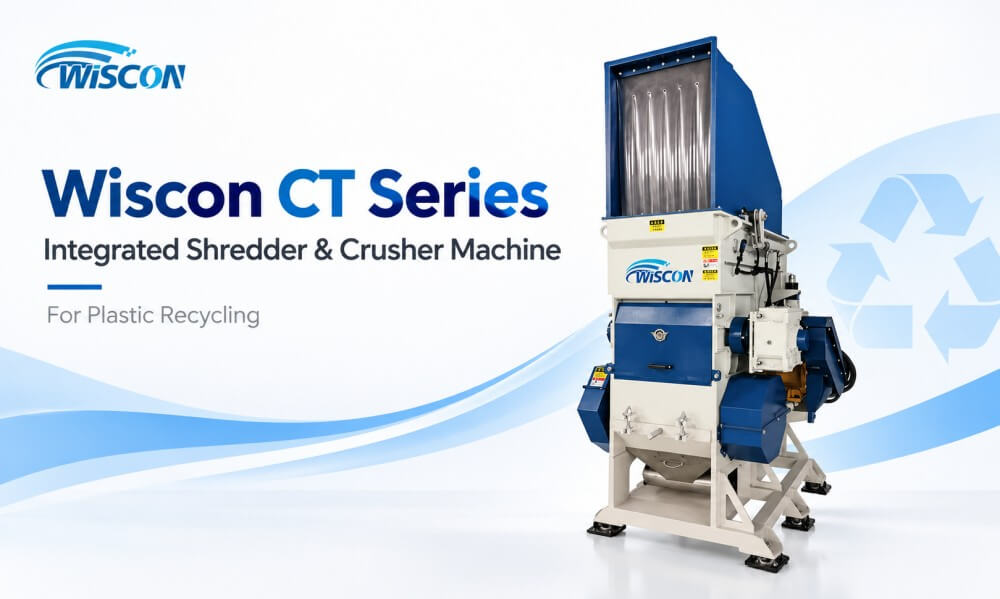 Why Are Integrated Shredder and Crusher Machines Gaining Attention in Solid Waste Recycling?
 200L Plastic Drum Shredder: How to Prevent Jamming and Improve Recycling Efficiency
 Is Leather Waste Recycling Profitable?
 How to Choose the Right Plastic Bucket Shredder for Small-Batch Paint Residue Plastic Recycling?
