For years, plywood waste posed a significant challenge for businesses and the environment alike. From construction sites overflowing with offcuts to manufacturing facilities drowning in scrap, this durable material often ended up in landfills, contributing to our mounting waste problem. But what if I told you there’s a powerful solution that’s not just efficient but also opens up new avenues for resource recovery and profit? I’m talking about the humble yet incredibly effective plywood shredder. This isn’t just about breaking down wood; it’s about fundamentally transforming how we approach wood waste management. Join me as I explore how these remarkable machines are revolutionizing recycling, turning what was once a burden into a valuable resource, and paving the way for a more sustainable future.
1. The Environmental Impact and Economic Burden of Plywood Waste
Plywood, a cornerstone of construction and manufacturing, unfortunately, generates a significant amount of waste. From offcuts at job sites to rejected panels in factories, vast quantities of this material traditionally end up in landfills. This practice carries a substantial environmental toll. Decomposing wood in landfills produces methane, a potent greenhouse gas far more harmful than carbon dioxide in the short term. Furthermore, the embedded energy and resources used in the plywood’s initial production are completely lost when it’s simply discarded.
Economically, this “waste” is a drain on resources. Businesses incur costs for waste collection, transportation, and landfill tipping fees. Valuable space is consumed by accumulated scrap, hindering efficiency. More critically, companies miss out on potential revenue streams from repurposing this material. The linear “make, use, dispose” model for plywood is unsustainable and financially inefficient, creating both an environmental burden and a tangible economic loss.
2. How Plywood Shredders Create New Value Streams
This is where plywood waste shredders truly revolutionize the game. Instead of merely disposing of waste, these machines transform it into valuable raw materials. Once shredded, plywood can be repurposed in numerous ways. It becomes excellent feedstock for biomass energy production, providing a renewable fuel source for heating or electricity generation. The shredded material can also be used as animal bedding, landscaping mulch, or even as a component in new composite wood products like particleboard or fiberboard, effectively closing the loop in the material’s lifecycle.
This shift from waste to resource directly impacts a business’s bottom line. Reduced landfill costs, potential revenue from selling shredded material, and even tax incentives for sustainable practices all contribute to a positive return on investment. Plywood shredders don’t just manage waste; they unlock new economic opportunities and promote a circular economy.
3. Key Features and Types of Plywood Shredders for Optimal Performance
Choosing the right industrial plywood shredder is crucial for maximizing its benefits. Shredders vary significantly in design and capacity, typically falling into categories like single-shaft, double-shaft, or four-shaft systems. Single-shaft shredders are often versatile, good for a range of materials and often include a screen for consistent particle size. Double and four-shaft shredders offer higher torque and are ideal for tougher, more voluminous materials, providing aggressive tearing and breaking.
Key features to consider include horsepower, throughput capacity (how much material it can process per hour), and the size and type of output material desired. Robust construction, durable cutting tools (often made of hardened steel), and sophisticated control systems that prevent jams and optimize performance are also essential. Some advanced models even incorporate metal detection to prevent damage from foreign objects, extending the machine’s lifespan and reducing maintenance.
4. Implementing a Plywood Shredding Solution
Successfully integrating a plywood shredder into your operations requires careful planning. First, accurately assess your volume and type of plywood waste to determine the appropriate shredder size and technology. Consider your desired output material and its potential markets. I always advise thinking about the entire workflow: how will material be fed into the shredder, how will the shredded output be collected and stored, and what are your plans for its onward use or sale?
Ensuring proper safety protocols, regular maintenance, and operator training are paramount for efficient and safe operation. I also recommend exploring potential grants or incentives for recycling equipment, which can significantly offset the initial investment. By thoroughly planning and strategically implementing a plywood shredding solution, you can transform your wood waste challenges into a sustainable and profitable venture.


 1. The Environmental Impact and Economic Burden of Plywood Waste
 3. Key Features and Types of Plywood Shredders for Optimal Performance
 4. Implementing a Plywood Shredding Solution
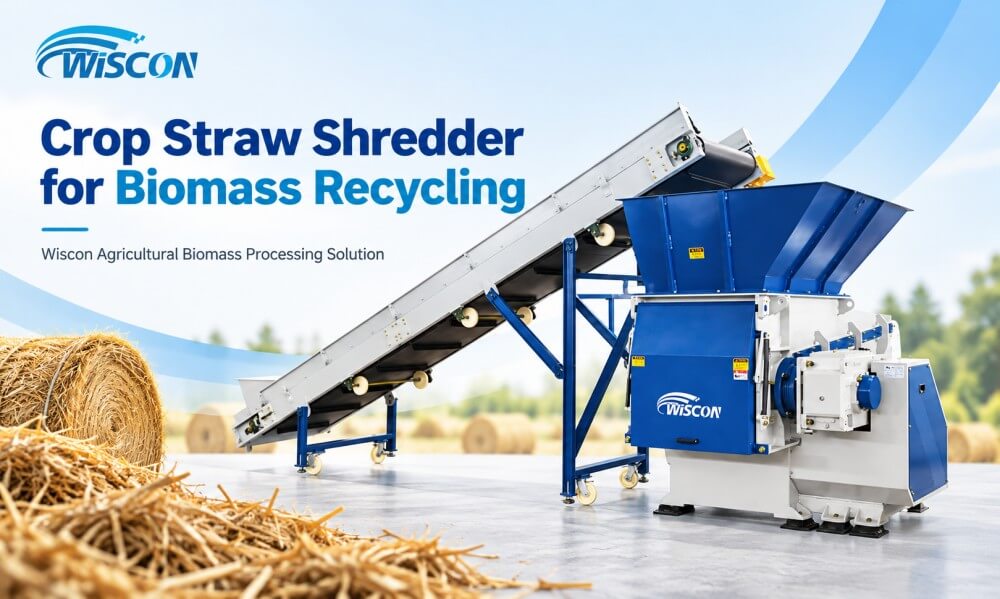 Crop Straw Shredder Supports Efficient Agricultural Biomass Recycling
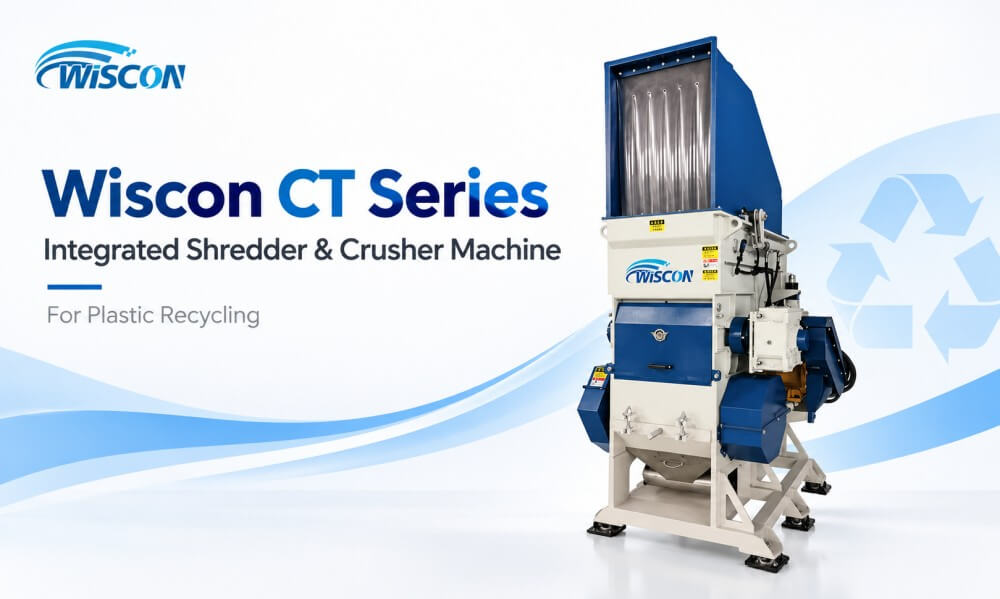 Why Are Integrated Shredder and Crusher Machines Gaining Attention in Solid Waste Recycling?
 200L Plastic Drum Shredder: How to Prevent Jamming and Improve Recycling Efficiency
 Is Leather Waste Recycling Profitable?
 How to Choose the Right Plastic Bucket Shredder for Small-Batch Paint Residue Plastic Recycling?
