Have you ever taken a look at old, discarded furniture and thought it was just a hassle? I used to, too. Piles of broken furniture headed for the landfill seemed like an unmanageable problem. But then, I realized something incredible: these pieces – an old couch, a worn-out chair, or a dilapidated dresser – could actually be a goldmine. With the right equipment, an old furniture shredder, I discovered that these items could be transformed into valuable resources, all while creating a sustainable and profitable business. Today, I’m here to share how this unexpected opportunity not only helped me make money, but also contributed to reducing waste and promoting a greener environment. If you’re wondering how something as mundane as a old furniture recycling shredder machinecan change the game, keep reading.
Why Investing in a Furniture Shredder is a Smart Business Move
When I first thought about getting a furniture shredder, my focus was mostly on reducing waste. I wanted to keep more furniture out of landfills. However, I quickly realized that this shredder could become an invaluable asset for my business. Every day, tons of old furniture – from residential cleanouts to business liquidations – are thrown away, and most of it contains reusable materials. Each piece of furniture, whether it’s a broken chair or a cracked table, holds valuable components like wood, fabric, metal, and foam. Without a shredder, these materials cost a lot to dispose of and are wasted. But with a shredder, I’m not only cutting down on waste; I’m turning that waste into a steady stream of revenue. Investing in this machine turned a costly disposal problem into a profitable opportunity, benefiting both the environment and my business.
Finding Value in Furniture: The Most Profitable Materials
The key to making money with an old furniture shredder machine lies in recognizing the hidden value in each piece of discarded furniture. Wood, for example, is one of the most valuable materials. After shredding, I can sell it as mulch, use it in biomass fuel production, or even as raw material for composite boards. Metals like steel frames and screws can be sold at scrap yards, which brings in some decent profit. Even foam and fabric, which might seem like the least valuable, have their uses. Foam, especially polyurethane, is highly sought after for products like carpet underlay, while fabric can be recycled for insulation or repurposed by textile artists. The process of separating and sorting these materials before and after shredding is crucial for maximizing profits. It’s all about refining the process – the more efficient you are, the more money you can make.
Understanding Regulations: Staying Compliant in the Shredding Business
Running a furniture shredding business doesn’t just require the right equipment – it also means following the rules. There are several local, state, and even federal regulations that I must comply with to keep my business legitimate and avoid hefty fines. I’ve spent time researching everything from waste management permits to environmental regulations. For example, shredders can create a lot of dust and noise, so I need to make sure I’m following local guidelines for air and noise pollution. Some states also have specific rules about how to handle furniture with flame retardants. The best advice I can give is to get in touch with your local waste management authorities and environmental agencies early on. They can guide you through the legal requirements and help ensure that your business operates smoothly and legally.
Finding Buyers for Your Recycled Products
Once you’ve shredded the furniture, the real work begins: selling the materials. I’ve learned that successful marketing of recycled materials is all about building relationships with buyers. For example, I sell my wood chips to landscaping companies, nurseries, and local farmers looking for mulch. Biomass power plants are interested in buying larger quantities for fuel. Metals can be sold to local scrap yards, and even smaller items, like fabric scraps, can be sold to artists or textile crafters. Online marketplaces also provide great opportunities to connect with buyers looking for recycled products. Think creatively about who might need the materials you’ve got. By reaching out directly to potential buyers, attending industry trade shows, and using online platforms to showcase my products, I’ve been able to build a steady customer base. Maintaining strong relationships with these buyers ensures that my recycled materials always have a market.
Growing Your Business: Scaling Up for Maximum Profit
After my business took off, I began thinking about how to grow it further. The demand for responsible waste management is only increasing, and scaling up was the next logical step. To do this, I made a few key investments. First, I upgraded to a larger, more efficient shredder capable of handling more volume and a wider variety of materials. Second, I expanded my services by offering furniture collection to businesses or municipalities, rather than waiting for furniture to come to me. Third, I explored partnerships with manufacturers who could use my recycled materials directly in their production processes, creating a more sustainable, circular economy. Finally, I continue to learn about new recycling technologies and market trends. My ultimate goal is to grow my impact on both the environment and my business, increasing profitability while contributing to a cleaner, greener world.


 Why Investing in a Furniture Shredder is a Smart Business Move
 Understanding Regulations: Staying Compliant in the Shredding Business
 Growing Your Business: Scaling Up for Maximum Profit
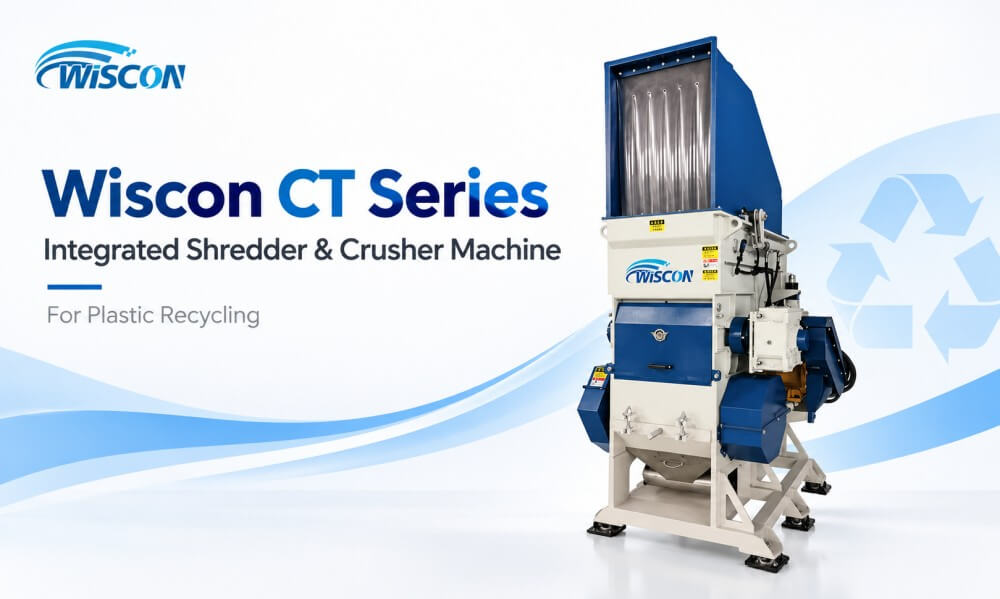 Why Are Integrated Shredder and Crusher Machines Gaining Attention in Solid Waste Recycling?
 200L Plastic Drum Shredder: How to Prevent Jamming and Improve Recycling Efficiency
 Is Leather Waste Recycling Profitable?
 How to Choose the Right Plastic Bucket Shredder for Small-Batch Paint Residue Plastic Recycling?
 Paper Mill Waste Recycling: Turning Paper Mill Rejects into RDF/SRF
