As cities continue to grow and urban populations expand, the amount of municipal solid waste (MSW) produced has skyrocketed, putting a strain on waste management systems and environmental protection efforts. In response to this growing issue, the Municipal Solid Waste Mechanical Biological Treatment (MBT) system has emerged as an innovative and sustainable solution. This system combines cutting-edge mechanical technology and biological processes to efficiently handle waste, recycling valuable resources while reducing the volume of waste sent to landfills.
 Key Features of the MBT System
Efficient Integration of Mechanical and Biological Processes
The MBT system harnesses both mechanical and biological technologies to significantly reduce waste volume and weight. By utilizing mechanical shredders to break down waste and biological processes to decompose organic matter, the system reduces the need for landfilling, alleviating pressure on landfills and prolonging their lifespan. For instance, the M-series heavy-duty single-shaft shredder by Wiscon Envirotech is designed for high performance. With a robust shredding chamber and high-speed drive, it can process up to 15 tons of waste per hour, making it ideal for large-scale waste management. Its specialized arcuate swing arm ensures smooth material handling while preventing leaks, offering both safety and cleanliness during operation.
Enhanced Sorting and Resource Recovery
One of the standout features of the MBT system is its advanced sorting capability, which effectively separates recyclable materials from organic waste. This sorting process boosts the recovery of valuable resources, reducing waste and supporting the circular economy. The system ensures that more waste is reused or repurposed, thus optimizing waste management and contributing to sustainable resource utilization.
Automated Operation for Consistency and Efficiency
With a high degree of automation, the MBT system minimizes the need for manual labor while maintaining stable and reliable operation. This automation not only reduces the workload for human operators but also increases the efficiency of waste processing, allowing the system to run continuously and consistently with minimal intervention. The result is a more efficient and safer waste treatment process that can operate smoothly for extended periods.
 Customizable to Meet Specific Waste Management Needs
The MBT system is highly flexible, allowing for customization based on the unique waste characteristics of different regions. Whether it’s adjusting for varying types of waste or meeting specific local treatment requirements, this system can be tailored to suit different urban environments. This adaptability ensures that the MBT system can efficiently handle the diverse waste management needs of cities worldwide.
Environmental Protection and Sustainability
In addition to its operational efficiency, the MBT system excels in minimizing its environmental footprint. It reduces the generation of odors and leachate, limiting the environmental impact of waste treatment. By improving air quality and reducing pollution, the system not only contributes to better urban living conditions but also supports broader ecological preservation and sustainability goals.
 Conclusion
The Municipal Solid Waste MBT system is a game-changer in modern waste management. With its ability to reduce waste, enhance resource recovery, and protect the environment, it is an essential technology for cities striving for sustainability. As urbanization continues to accelerate, the MBT system will play an increasingly important role in promoting environmental protection, driving the circular economy, and supporting sustainable urban development worldwide.


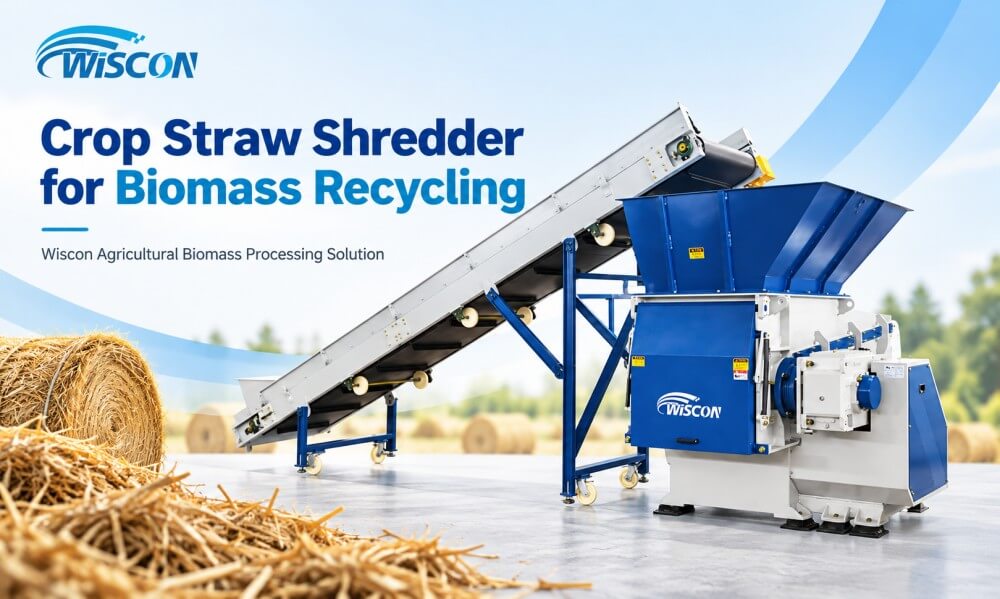 Crop Straw Shredder Supports Efficient Agricultural Biomass Recycling
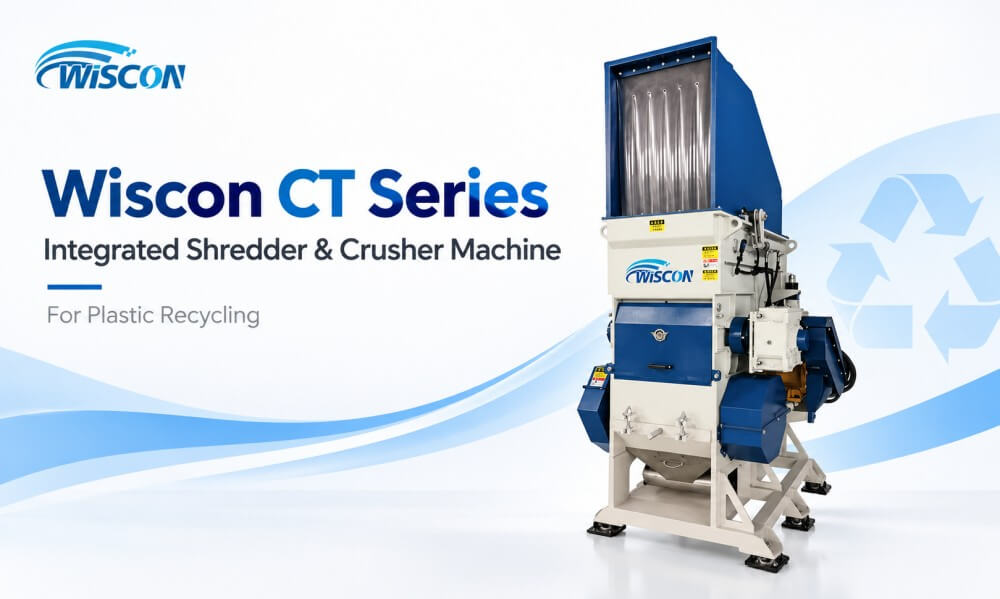 Why Are Integrated Shredder and Crusher Machines Gaining Attention in Solid Waste Recycling?
 200L Plastic Drum Shredder: How to Prevent Jamming and Improve Recycling Efficiency
 Is Leather Waste Recycling Profitable?
 How to Choose the Right Plastic Bucket Shredder for Small-Batch Paint Residue Plastic Recycling?
