In the field of medical waste management, the complexity and high mix of waste materials (including metal instruments, plastic products, infectious textiles, and more) present significant challenges for shredding equipment. Medical waste shredders, as core devices for pre-treatment, need to offer robust shredding capabilities, safety features, and smart operation systems. Below, we will explore how these shredders meet the demands of handling high-mix medical waste from three key perspectives: technological breakthroughs, application scenarios, and industry value.
1. Technological Breakthroughs: Comprehensive Adaptation from Materials to Design
High-Strength Alloy Blades
Medical waste often includes stainless steel instruments, prosthetics, and other hard metals, making standard blades prone to wear and breakage. Advanced models, such as the Wiscon shredder, can use German-imported alloy steel blades, forged and surface-hardened to improve impact resistance by 40% and increase durability by three times. The blades are designed in a spiral pattern, enabling multi-angle cutting that efficiently handles a mix of metals, plastics, glass, and more, with a consistent particle size of 40mm or smaller.
Low-Speed, High-Torque Drive
To address the dual challenges of high toughness (e.g., latex products) and high hardness (e.g., needles) in medical waste, the shredder operates at low speeds (20-30 rpm) paired with a high-torque motor. This setup minimizes dust pollution from high-speed operation and provides efficient shredding through a shear-force-dominant method, with impact force used as a secondary mechanism. The shredder can handle processing rates of 2-3 tons per hour.
Sealed and Intelligent Protection Systems
To prevent the spread of pathogens during shredding, the shredder is fully enclosed, featuring dust and waterproof bearings, and CO₂ protection welding processes to eliminate leakage risks. The intelligent monitoring system tracks blade axle temperature, current load, and other parameters in real time. In the event of encountering hard metal objects, the shredder automatically reverses to prevent damage, with fault location accuracy of over 90%, minimizing downtime.
2. Application Scenarios: Empowering the Entire Waste Processing Chain
Pre-Burning Volume Reduction
Shredding reduces the material volume by 80% and ensures uniform particle size (95% < 50mm), significantly improving the pyrolysis efficiency of incineration furnaces and reducing fuel consumption by 20%-30%. For example, a medical waste disposal center in Guangdong achieved a reduction in incineration residue thermal burn-off from 15% to under 5% after using the TS508 shredder.
Harmless Treatment Support
Shredded medical waste is more easily treated with disinfectants, improving the penetration rate of microwave treatment by 50% and reducing high-temperature boiling time by 30%. This process effectively kills pathogens such as tuberculosis bacteria and the virus.
Resource Recycling Pre-Treatment
Metal components, once shredded, can be separated and recovered via magnetic sorting. Plastic particles are purified using eddy current separation, achieving a hazardous waste resource recovery rate of over 35%.
3. Industry Value: A Win-Win for Environmental Compliance and Economic Benefits
Compliance Assurance
The equipment complies with the “Medical Waste Management Regulations” and the EU WEEE Directive, helping businesses pass environmental assessments and avoid hefty fines.
Cost Optimization
For a medical waste center processing 10 tons daily, pre-treatment shredding can cut transportation costs by 40% and save 25% on incineration operation costs.
Social Benefits
Since 2020, China has seen annual medical waste generation exceeding 10 million tons. The widespread use of specialized shredders can reduce landfills by 70%, helping prevent the spread of diseases.
Technological Advancements Driving Industry Upgrades
Today, innovations like smart dust suppression systems and blade lifespan prediction algorithms are being integrated into next-generation medical waste shredders. Choosing equipment tailored for high-mix waste scenarios not only reflects environmental responsibility but also enhances disposal efficiency and reduces long-term operational costs.


 1. Technological Breakthroughs: Comprehensive Adaptation from Materials to Design
 2. Application Scenarios: Empowering the Entire Waste Processing Chain
 Technological Advancements Driving Industry Upgrades
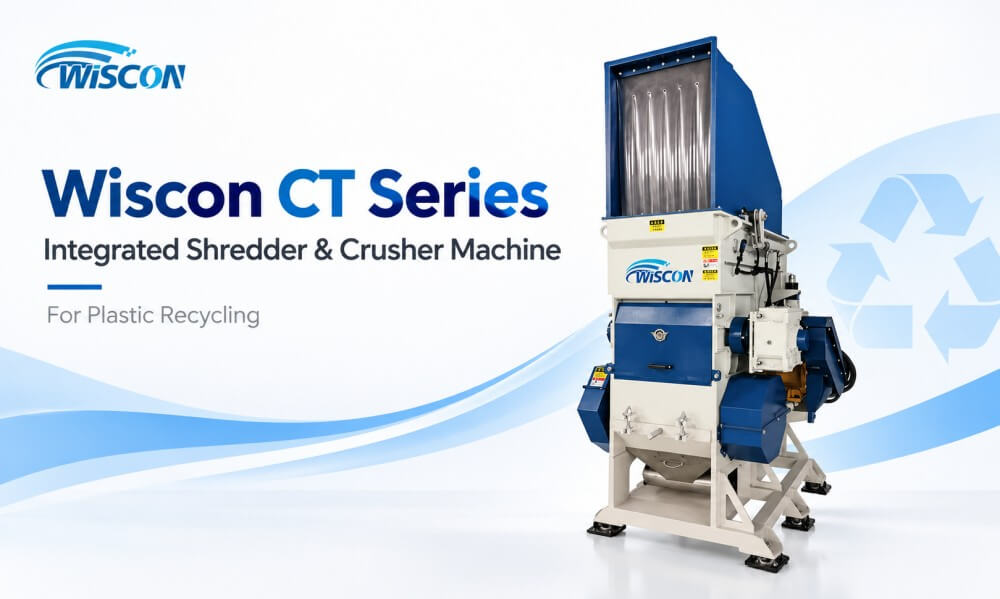 Why Are Integrated Shredder and Crusher Machines Gaining Attention in Solid Waste Recycling?
 200L Plastic Drum Shredder: How to Prevent Jamming and Improve Recycling Efficiency
 Is Leather Waste Recycling Profitable?
 How to Choose the Right Plastic Bucket Shredder for Small-Batch Paint Residue Plastic Recycling?
 Paper Mill Waste Recycling: Turning Paper Mill Rejects into RDF/SRF
