Introduction.
The growing concern over waste management has pushed industries to adopt more efficient and sustainable methods. Mechanical Biological Treatment (MBT) of domestic waste has become a critical solution to managing solid waste effectively. Among the various tools used in MBT processes, MBT shredding machine stand out as essential equipment for improving efficiency, reducing costs, and promoting environmental sustainability. This article explores how shredders contribute to the MBT process and why they are indispensable in modern waste treatment systems.
 The Role of Shredders in MBT Waste Management.
Single shaft shredders are used in the MBT process to pre-treat domestic waste by breaking it down into smaller, more manageable pieces. This is an important step, as it allows for the separation of organic and inorganic materials, which are then processed further. By reducing the size of the waste, shredders optimize the efficiency of subsequent biological treatments, ensuring that the entire process flows smoothly and effectively. In short, shredders help prepare waste for more effective resource recovery and disposal.
Reducing Waste Volume and Landfill Dependency.
One of the primary benefits of shredders recycling machinery is their ability to reduce the volume of domestic waste significantly. By cutting down the size of waste materials, shredders lessen the burden on landfills, which is vital in extending landfill lifespans. A reduced volume of waste means less space is needed, and with shrinking landfill capacities in many areas, this is a critical benefit. Additionally, less waste in landfills also translates to lower greenhouse gas emissions, such as methane, which is a major contributor to climate change.
 Enhancing Environmental Protection Through Waste Separation.
In the MBT process, MBT shredders help separate organic materials from harmful substances and non-recyclable inorganic matter. This separation is crucial for ensuring that only non-hazardous materials move forward in the process, preventing potential pollution and contamination. By isolating harmful substances early on, shredders contribute to reducing the environmental risks associated with waste treatment. Moreover, this separation aids in recycling efforts, promoting a more sustainable and circular economy.
Cost Savings and Resource Efficiency.
The integration of Mechanical Biological Treatment shredders in the waste treatment process also leads to cost savings. With more efficient waste breakdown and separation, the MBT process becomes less labor-intensive and less energy-consuming, resulting in reduced operational costs. The shredders also contribute to saving time, as they expedite the entire waste treatment process. These savings are especially significant when considering the growing pressure on municipalities and private companies to manage waste more efficiently within tight budgets.
 The Future of Shredders in Sustainable Waste Management.
As cities expand and domestic waste continues to grow, the need for more efficient waste management technologies will become increasingly important. Shredders, with their ability to enhance MBT processes, reduce waste volumes, and promote recycling, are set to play a pivotal role in the future of sustainable waste management. Companies like Wiscon Environmental are already leading the way with advanced shredder designs that can process large amounts of waste quickly and safely, contributing to a cleaner, greener future.
Conclusion.
In conclusion, MBT shredders are an integral part of the MBT treatment of domestic waste. They play a key role in enhancing waste management efficiency, reducing landfill dependency, protecting the environment from harmful substances, and driving down operational costs. As cities continue to grow and waste volumes increase, shredders will remain a vital component in promoting sustainable, eco-friendly waste management practices.


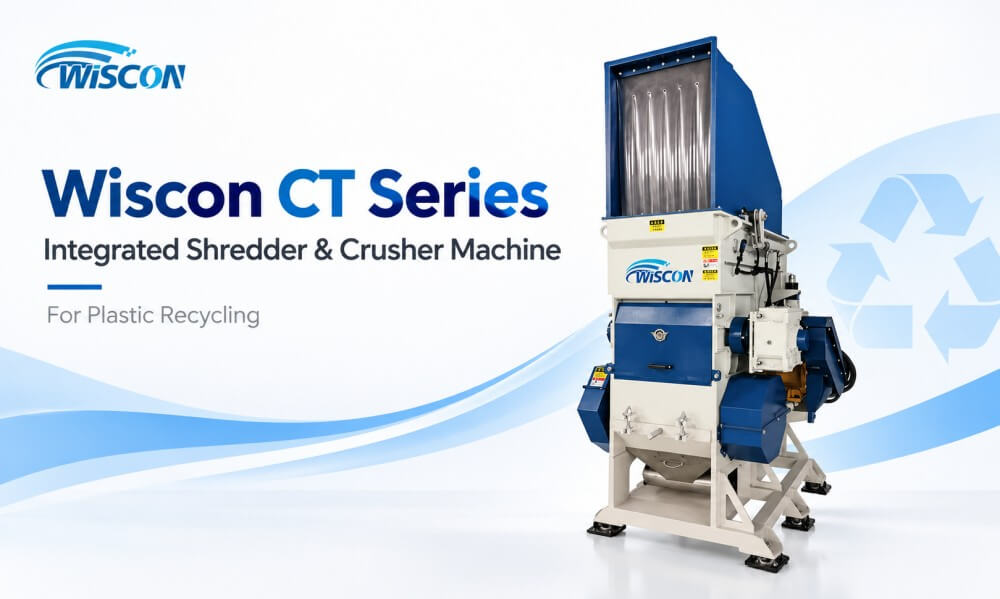 Why Are Integrated Shredder and Crusher Machines Gaining Attention in Solid Waste Recycling?
 200L Plastic Drum Shredder: How to Prevent Jamming and Improve Recycling Efficiency
 Is Leather Waste Recycling Profitable?
 How to Choose the Right Plastic Bucket Shredder for Small-Batch Paint Residue Plastic Recycling?
 Paper Mill Waste Recycling: Turning Paper Mill Rejects into RDF/SRF
