I’ve been in the solid waste recycling industry for over 30 years, watching countless wood recycling projects grow from small startups to full-blown operations. One thing that’s always stood out is how a solid large shredder can make or break the whole setup. These machines don’t just crush old furniture, landfill wood scraps, or neighborhood waste timber—they handle it fast, cutting down on storage space and transport headaches. Plus, they turn that junk into something valuable, like biomass pellets for power plants or base material for particleboard. It’s all about closing the loop in a circular economy.
Back when I helped a mid-sized furniture factory upgrade their gear, their old machine was sluggish and produced uneven shreds, so only about 60% of the output was usable downstream. After switching to a pro-grade shredder, their production doubled, and the value from recycled waste shot up by more than 30%. It was a game-changer.
When folks are shopping for a large shredder, price is always the elephant in the room. Quotes can range from a few thousand bucks to over $100,000. Why the huge spread? From my hands-on engineering experience, there are tons of factors, but it boils down to two big ones: the quality of raw materials and the level of manufacturing craftsmanship. Skip these, and you might snag a bargain upfront, but it’ll turn into a repair nightmare down the line. Industry reports back this up—top-tier equipment costs more initially but slashes lifetime expenses by 20-30%.
Let me break it down with some real-world examples I’ve dealt with.
Raw Materials: The Foundation of Durability
The backbone of any shredder is its materials, which directly impact how long it lasts and what it costs. Most bodies are welded from steel plates, and things like thickness, alloy makeup, and components such as motors and bearings are make-or-break. If a manufacturer skimps with thin plates or cheap stuff, they can drop the price under $10,000, but it’ll buckle under tough jobs like hardwoods, leading to deformations or blade failures.
I recall troubleshooting a breakdown once: a budget model used plain carbon steel, and within six months, the frame cracked wide open. Downtime alone cost them thousands. On the flip side, premium brands go for high-strength alloy steels or thicker plates to boost impact resistance and fight corrosion. Market data shows this upgrade can extend machine life by 2-5 years, though it bumps the price by 10-25%.
Don’t overlook the motors and bearings either. High-torque versions are ideal for dense wood loads, jacking up the cost but cranking up throughput and preventing overloads.
Manufacturing Craftsmanship: Where Quality Meets Innovation
Then there’s the tech and build process, which is a massive price driver. It’s not just slapping parts together—top makers pour resources into R&D for better blade designs, smart controls, and precise welding. Smaller outfits might stick to manual methods, leading to shaky quality and failure rates over 15%. Big players, though, have dedicated teams running load tests and quality checks to meet global standards.
In one project I consulted on, we compared several options for a client and picked a high-craft model. It cut operating costs by 15% thanks to lower energy use and less maintenance. And remember, after-sales support ties into this too—like remote monitoring or fast parts delivery. That adds 5-10% to the sticker price but saves a fortune in the long run.
Speaking of standout options, I’ve worked with Wiscon Envirotech on a few gigs, and they’ve impressed me every time. They’re leaders inwood waste recycling, with their T-series single-shaft shredders built for bulky stuff like pallets, branches, and scraps. These beasts handle 10-20 tons per hour easy. Their M-series dual-shaft machines are great for mixed waste, packing quality motors and carbide blades for even shreds—perfect for biomass or board production.
What sets them apart is the eco-friendly efficiency: they cut waste disposal costs, boost recycling loops, and tackle tricky materials like plywood. All their gear goes through rigorous testing for rock-solid stability. When I took clients to test runs at their facility, everyone raved about the low noise and energy savings—way better than run-of-the-mill models. If you’re in the market, I’d suggest checking them out in person to see if it fits your setup.
Wrapping It Up: Don’t Chase the Lowest Price
From a pro’s perspective, when picking a large shredder, steer clear of lowball deals and focus on materials and craftsmanship. Going with a reliable name like Wiscon ramps up efficiency and trims costs over time, delivering solid ROI. If you’ve got specifics on wood types or your budget, hit me up—I can draw from my years of dodging pitfalls to give tailored advice on the best gear for your operation.


 Back when I helped a mid-sized furniture factory upgrade their gear, their old machine was sluggish and produced uneven shreds, so only about 60% of the output was usable downstream. After switching to a pro-grade shredder, their production doubled, and the value from recycled waste shot up by more than 30%. It was a game-changer.
 Manufacturing Craftsmanship: Where Quality Meets Innovation
 Wrapping It Up: Don’t Chase the Lowest Price
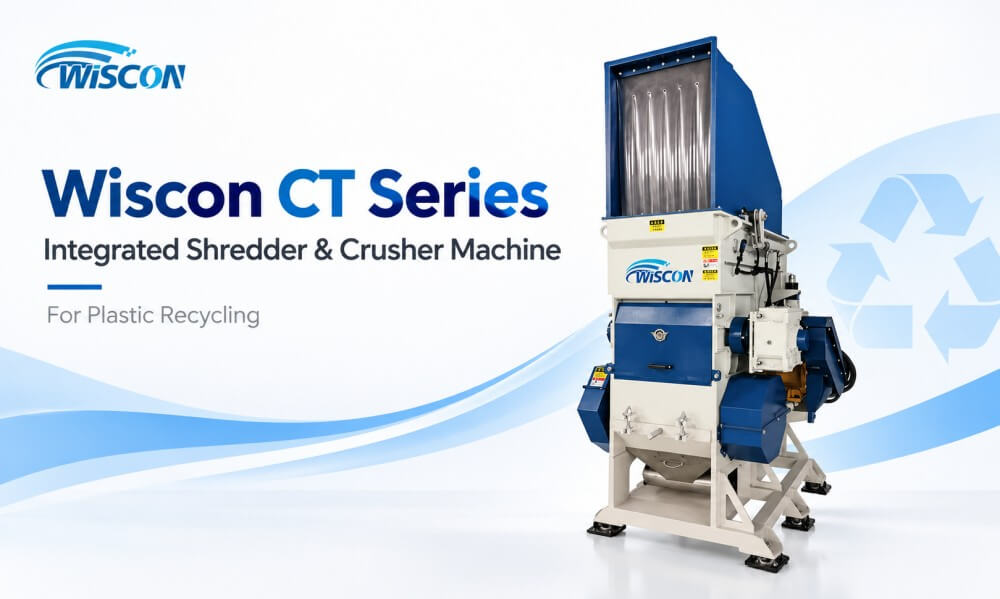 Why Are Integrated Shredder and Crusher Machines Gaining Attention in Solid Waste Recycling?
 200L Plastic Drum Shredder: How to Prevent Jamming and Improve Recycling Efficiency
 Is Leather Waste Recycling Profitable?
 How to Choose the Right Plastic Bucket Shredder for Small-Batch Paint Residue Plastic Recycling?
 Paper Mill Waste Recycling: Turning Paper Mill Rejects into RDF/SRF
