Choosing the right waste shredder is crucial for any recycling project. The type of waste, production requirements, and processing methods all play a significant role in selecting the most suitable equipment. Here are some essential factors to consider during the selection process:
Material Characteristics Analysis
Understanding the type, composition, and size of the materials you’ll be processing is fundamental when choosing a shredder. Knowing what materials (wood, metal, fabric, etc.) you’re working with, as well as their initial size and proportions (large, medium, or small pieces), will guide you in selecting the most efficient machine. Additionally, it’s important to consider whether the materials contain moisture or if they have been pre-shredded.
Example: For large waste items like mattresses, sofas, wardrobes, and chairs, the material size typically ranges from 50cm to 180cm, with mattresses being a common item. If these items are dry and not disassembled, a dual-shaft shredder designed for tough, large materials is ideal for effective processing.
Output Requirements and Capacity
The required hourly processing capacity and the desired output size of the shredded material are critical when choosing your equipment. Different projects demand different production rates and material sizes, so defining these factors beforehand will help you choose the best equipment for your needs.
Example: Suppose a project requires processing 10-20 tons per hour and needs the final product to be around 10cm in size. In this case, a dual-shaft shredder capable of handling this volume, equipped with additional systems like a metal separator, dust collection, and intelligent monitoring, would be a great option to ensure safety and efficiency.
Purpose of Shredding and Process Requirements
Shredding goals vary widely, from volume reduction to incineration or composting. Understanding the end goal of the project is crucial. Moreover, the method of feeding the material (such as by loader, conveyor, or grab bucket) and the method of discharging (like using a conveyor) should be tailored to the project’s specific needs.
Sometimes, the scale of the facility can impact equipment selection and processing methods. In such cases, additional equipment like conveyors, metal separators, hydraulic systems, and remote monitoring may be required.
Example: Inlarge-scale recycling projects, material might be fed using a loader and discharged via a conveyor, with a remote monitoring system installed to enhance production efficiency and system reliability while minimizing manual labor.
Equipment Selection Examples
Dual-shaft waste shreddersare versatile machines used across various industries, including municipal, industrial, garden, medical, kitchen, and biomass waste shredding. Their high efficiency is key in reducing waste volume, improving resource recovery, and enhancing urban environmental quality.
Example: A city waste separation project used a dual-shaft shredder to process garden waste. This equipment not only efficiently shreds branches and other garden waste but also removes metals, preventing contamination in the recycling process. This approach reduces waste and promotes resource recovery, contributing to cleaner urban environments.


 Material Characteristics Analysis
 Purpose of Shredding and Process Requirements
 Equipment Selection Examples
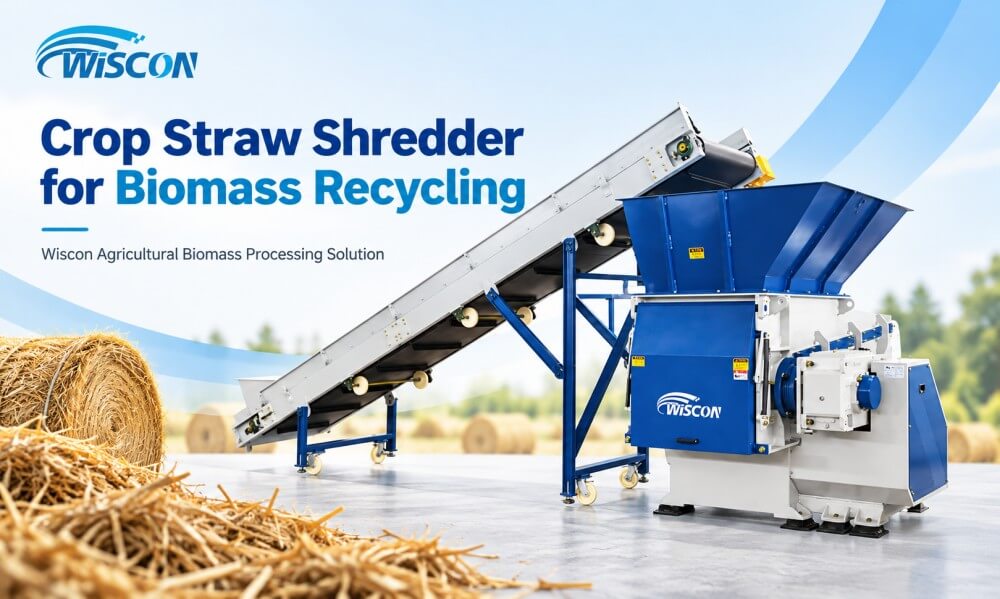 Crop Straw Shredder Supports Efficient Agricultural Biomass Recycling
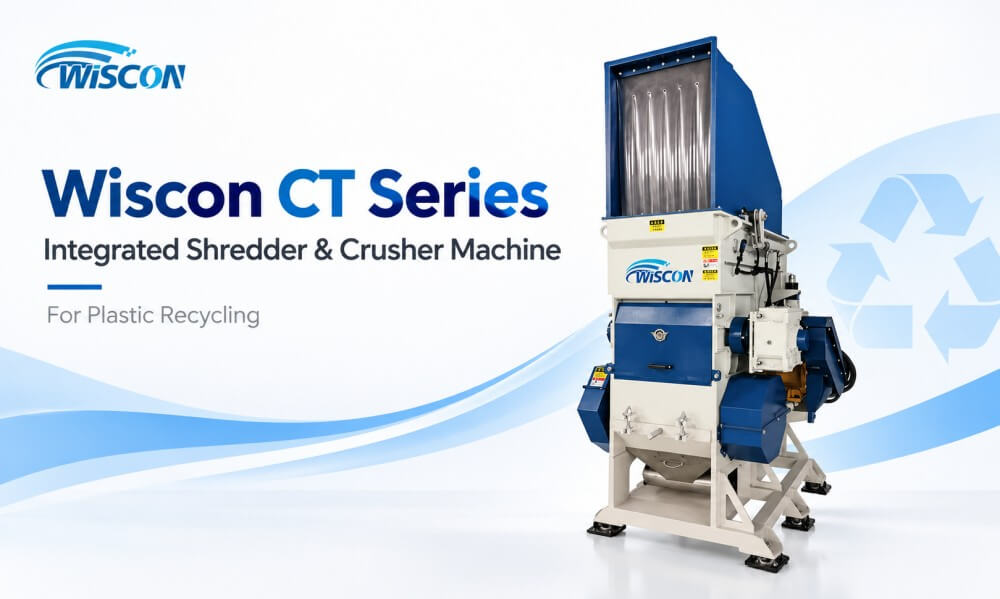 Why Are Integrated Shredder and Crusher Machines Gaining Attention in Solid Waste Recycling?
 200L Plastic Drum Shredder: How to Prevent Jamming and Improve Recycling Efficiency
 Is Leather Waste Recycling Profitable?
 How to Choose the Right Plastic Bucket Shredder for Small-Batch Paint Residue Plastic Recycling?
