If you run a scrap yard, auto salvage operation, or industrial recycling facility, few equipment decisions carry more weight than selecting the right junkyard shredder. The wrong machine doesn’t just underperform — it bleeds money through downtime, excessive maintenance, and missed processing capacity. With global scrap metal recycling valued at over $52 billion in 2025 and projected to grow at a CAGR of 6.3% through 2030, investing in the right shredding equipment is a strategic business decision, not just an operational one.
This guide breaks down exactly what facility operators need to evaluate before writing a purchase order.
 Understand Your Material Feed First
Before comparing machine specs, get honest about what you’re feeding the shredder daily. Junkyard shredders are not one-size-fits-all. A facility processing primarily end-of-life vehicles (ELVs) has fundamentally different requirements than one handling white goods, construction debris, or mixed industrial scrap.
Car bodies, for example, contain a mix of ferrous metals, aluminum, copper wiring, plastics, and fluids. A high-powered hammermill shredder — typically rated between 3,000 and 9,000 horsepower — is the industry standard for auto shredding at scale. Facilities processing lighter gauge materials like appliances or sheet metal may find a two-shaft shear shredder more cost-effective, operating efficiently at 200 to 800 HP with lower energy consumption per ton.
Mismatching machine type to material feed is one of the most expensive mistakes operators make. Always request a material analysis consultation from the manufacturer before committing.
Throughput Capacity: Match the Machine to Your Volume
Throughput is measured in tons per hour (TPH), and getting this number right is critical. Undersizing your shredder creates bottlenecks that ripple across your entire yard operation. Oversizing means you’re paying for capacity you’ll never use — both in capital cost and ongoing energy bills.
As a benchmark: a mid-size junkyard processing 150 to 250 cars per day typically requires a shredder with a throughput of 80 to 150 TPH. Large-scale operations moving 500+ vehicles daily may need machines capable of 300 TPH or more. Factor in a 15–20% capacity buffer to account for peak seasonal volumes and material density variations.
Ask every vendor for independently verified throughput data, not just rated capacity figures from the spec sheet. Real-world performance often runs 10 to 25% below theoretical maximums depending on feed consistency and material composition.
Drive System: Electric vs. Diesel
The debate between electric-motor-driven and diesel-driven shredders comes down to your facility’s infrastructure and long-term operating cost projections. Electric systems now dominate new installations at large fixed-site facilities, offering lower per-ton energy costs, reduced emissions, and simpler maintenance profiles. A typical large hammermill shredder running on electric power consumes approximately 4 to 7 kWh per ton of processed scrap — significantly cheaper than equivalent diesel operation in most U.S. markets.
Diesel-powered or hybrid mobile shredders remain the preferred choice for multi-site operators or facilities without access to high-capacity grid connections. The flexibility trade-off is real, but so is the fuel cost premium, which can run 30 to 40% higher per ton compared to electric alternatives.
Downstream Separation Systems Matter As Much As the Shredder
A junkyard shredder is only as profitable as the separation system behind it. After shredding, the output — commonly called shredder fluff or auto shredder residue (ASR) — needs to be sorted into sellable ferrous, non-ferrous, and waste streams. Investing in a high-quality magnetic separation line, eddy current separator, and air classification system can increase total material recovery value by 20 to 35% compared to basic downstream setups.
Don’t evaluate shredder quotes in isolation. Always model the full processing line economics, including downstream separation, to get an accurate picture of your cost-per-ton and revenue-per-ton metrics.
Key Operational & Safety Compliance Factors
Regulatory compliance is non-negotiable. In the United States, junkyard shredder operations fall under EPA air emission standards (40 CFR Part 63, Subpart AAAAAAAA for shredder operations), OSHA machinery safety requirements, and state-level environmental permits governing dust suppression and wastewater management.
Modern shredders should include enclosed feed conveyors, real-time vibration monitoring, automatic tramp metal detection (to protect rotors from unshredable material), and fire suppression systems — the latter being critical given that lithium-ion batteries from EVs are increasingly entering the scrap stream. A single rotor fire event can cause $500,000 or more in damages and weeks of operational downtime.
Total Cost of Ownership Over Purchase Price
The sticker price of a large junkyard shredder ranges from $1.5 million for a smaller unit to $12 million or more for a full-scale hammermill installation. But the purchase price typically represents only 30 to 40% of the true 10-year ownership cost. Factor in:
- Energy costs (often the single largest ongoing expense)
- Hammer and wear parts replacement (high-tonnage operations may spend $500,000+ annually on consumables)
- Planned maintenance and downtime losses
- Operator training and labor
- Environmental compliance and reporting costs
Request a detailed 10-year TCO model from any serious vendor. If they can’t provide one, that tells you something important about how they support customers post-sale.
Final Evaluation Checklist
When shortlisting junkyard shredder vendors, verify the following before making any commitment:
- Reference site visits to operating facilities with similar material profiles
- Availability of domestic spare parts inventory (lead times over 4 weeks on critical components are a red flag)
- Manufacturer’s average rotor life expectancy under your projected feed conditions
- Warranty terms, specifically covering rotor and gearbox components
- Service contract options and response time guarantees
The right junkyard shredder won’t just process scrap — it will define the throughput ceiling, profitability, and environmental footprint of your entire facility for the next decade. Take the time to get this decision right.


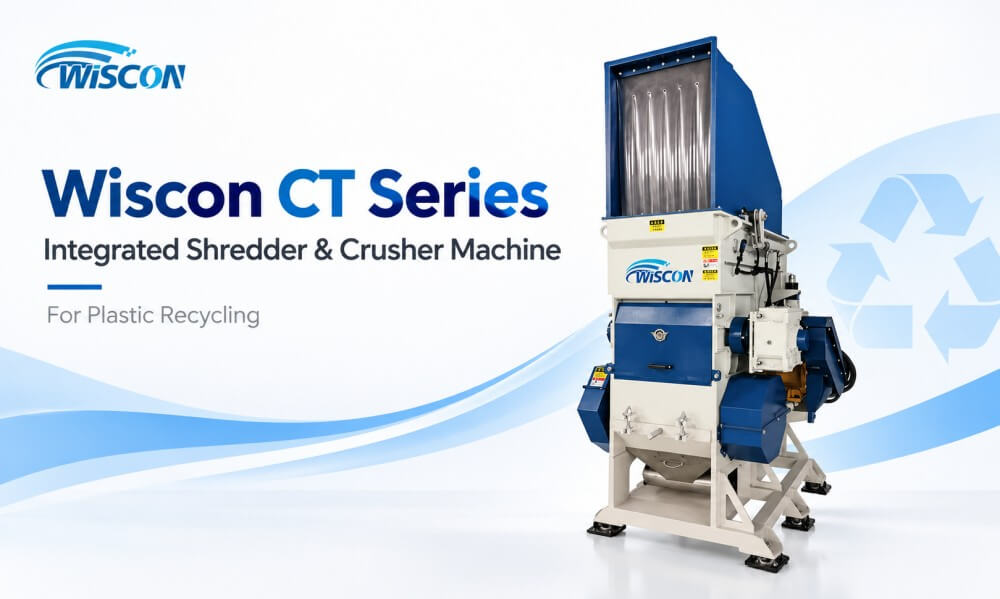 Why Are Integrated Shredder and Crusher Machines Gaining Attention in Solid Waste Recycling?
 200L Plastic Drum Shredder: How to Prevent Jamming and Improve Recycling Efficiency
 Is Leather Waste Recycling Profitable?
 How to Choose the Right Plastic Bucket Shredder for Small-Batch Paint Residue Plastic Recycling?
 Paper Mill Waste Recycling: Turning Paper Mill Rejects into RDF/SRF
