In today’s fast-moving recycling industry, staying efficient and ahead of the curve is essential. From my experience working in the plastics sector, I can confidently say that having the right machinery is a game-changer—especially when handling large volumes of bulky plastic jugs like milk bottles, detergent containers, or chemical canisters. These items take up massive amounts of space and can be a nightmare to store or transport without the right tools.
That’s where industrial jug shredderscome into play. These machines are more than just high-powered grinders—they’re essential equipment that transforms oversized plastic waste into manageable, recyclable material. By streamlining waste processing, jug shredders help boost productivity, improve material value, and ultimately enhance the success of recycling operations.
What Is an Industrial Jug Shredder?
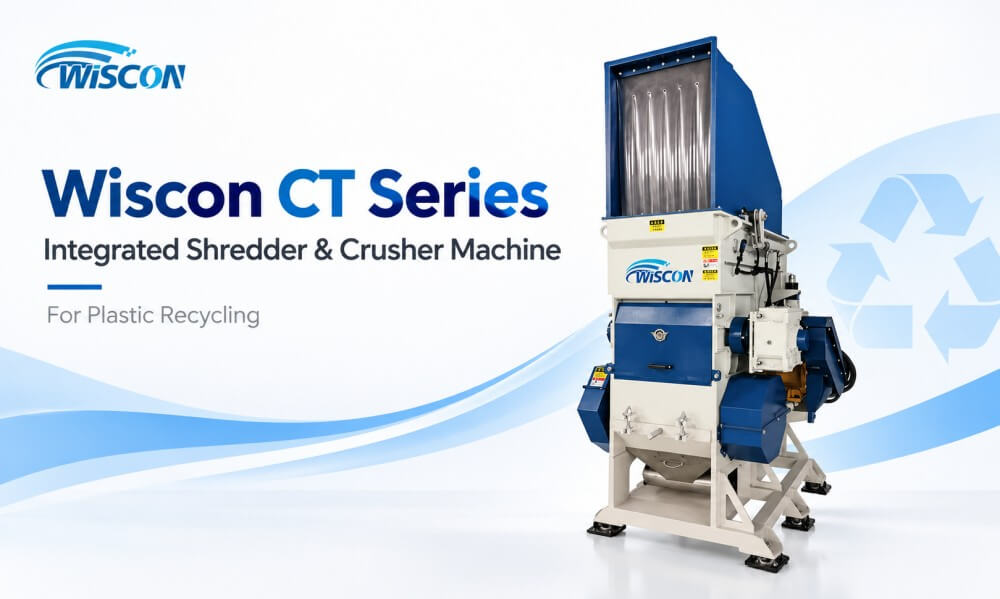
Industrial jug shredders are specially designed machines built to reduce the size of large, hollow plastic containers. Unlike basic grinders or chippers, these machines use powerful rotating shafts fitted with hardened steel blades to tear and shear through thick plastic.
Whether you’re dealing with HDPE milk jugs or bulky detergent bottles, an plastic jug shredder cuts them into smaller, consistent pieces. Most machines allow you to adjust output size using screens or blade configurations, ensuring compatibility with downstream processes like washing, granulating, or extrusion. This initial step is crucial—it prepares the material for efficient recycling, rather than just breaking it apart randomly.
Key Benefits of Using Industrial Plastic Jug Shredders
Industrial plastic jug shredders deliver more than just material reduction. They offer a wide range of operational and economic benefits:
Efficient Material Handling: Shredded plastic is easier to transport, store, and process.
Reduced Labour Needs: Automated shredding minimizes manual handling and boosts safety.
Consistent Output: Uniform shredded material improves downstream process reliability.
Improved Recycling Rates: Prepared material increases the likelihood of successful recycling.
Financial Benefits: A Smart Investment for Any Recycler
Many recycling businesses hesitate at the upfront cost of a shredder. But from what I’ve seen, the return on investment is clear. First, shredders drastically reduce the volume of plastic waste, cutting down on storage costs. Fewer trips are needed for transportation, saving money on fuel, freight, and labour.
On top of that, shredded plastic is often more valuable on the market. Buyers prefer clean, uniform feedstock—and shredders deliver exactly that. Your overall line runs smoother too, with less wear and tear on downstream machinery and better throughput.
Seamless Integration into Your Recycling Line
To get the most from your shredder, it needs to be integrated into your full recycling system. Feed hoppers, conveyor belts, and downstream machines like granulators or washing systems should all work together.
Planning your layout properly can eliminate bottlenecks, improve automation, and reduce manual handling across the board.
Looking Ahead: The Future of Plastic Shredding
The industrial shredding industry is evolving quickly. We’re already seeing new technologies that use AI and IoT for smart diagnostics, predictive maintenance, and real-time monitoring. Future machines will likely be even more energy-efficient and adaptable to various plastic waste streams.
As environmental regulations tighten and demand for recycled materials grows, jug shredders will continue to be a core component of successful recycling operations.
Final Thoughts
Industrial jug shredders are no longer optional—they’re essential tools for any modern plastic recycling operation. They help reduce costs, streamline processing, and improve the value of your output. Whether you’re running a small facility or a large-scale operation, investing in the right shredder can give you a serious edge in today’s competitive recycling landscape.
If you’re considering adding one to your line, now’s the time. The right shredder won’t just process plastic—it’ll power your business’s future in sustainable recycling.


 What Is an Industrial Jug Shredder?
 Financial Benefits: A Smart Investment for Any Recycler
 Final Thoughts
 Why Are Integrated Shredder and Crusher Machines Gaining Attention in Solid Waste Recycling?
 200L Plastic Drum Shredder: How to Prevent Jamming and Improve Recycling Efficiency
 Is Leather Waste Recycling Profitable?
 How to Choose the Right Plastic Bucket Shredder for Small-Batch Paint Residue Plastic Recycling?
 Paper Mill Waste Recycling: Turning Paper Mill Rejects into RDF/SRF
