Picture this: mountains of discarded clothes clogging landfills, leaching chemicals into our soil, and polluting our planet. The textile industry’s waste problem is massive, but I’ve got good news—an industrial waste clothes shredder is here to save the day! In this post, I’ll dive into how these powerful machines transform textile waste into eco-friendly opportunities. From slashing landfill contributions to fueling sustainable recycling, I’ll explore how shredders work, why they’re a game-changer for industries, and their role in building a greener future. Plus, I’ll share practical tips to help you choose the right cloth waste shredderfor your business. Ready to shred your way to a cleaner planet? Let’s get started!
1. The Textile Waste Crisis and Its Environmental Impact
Every year, the world generates over 92 million tons of textile waste, and I find that number staggering. Most of these discarded clothes—think fast-fashion T-shirts, worn-out jeans, and factory scraps—end up in landfills or incinerators. The environmental toll is brutal. Synthetic fabrics like polyester and nylon, which make up about 60% of clothing, take hundreds of years to decompose. As they break down, they release microplastics into the soil and waterways, harming ecosystems and even ending up in our food chain. Natural fibers like cotton aren’t innocent either; their decomposition produces methane, a potent greenhouse gas that accelerates climate change.
Then there’s the chemical pollution. Dyes, bleaches, and treatments used in textile production leach into groundwater from landfills, contaminating drinking water sources. Incinerating textiles is no better—it releases toxic fumes and carbon emissions into the air. I’ve seen estimates that the textile industry accounts for about 10% of global carbon emissions, more than international flights and maritime shipping combined. Add to that the wasted resources: producing a single cotton shirt uses around 2,700 liters of water, and when we toss it, we’re throwing away that investment.
This crisis hits close to home for me because I believe we can do better. The good news? A scrap cloth waste shredder machine tackles this problem head-on by giving textiles a second life. By breaking down fabrics into reusable fibers, these machines reduce landfill waste, curb pollution, and pave the way for a circular economy. Understanding the scale of the textile waste problem shows why shredders aren’t just tools—they’re environmental lifesavers.
2. How Waste Clothes Shredders Work
When I first learned about the waste clothes shredder, I was fascinated by its simplicity and power. These industrial machines are designed to process large volumes of textile waste, from old clothes to factory offcuts, and turn them into something useful. Here’s how they work in a nutshell.
The process starts with feeding textiles into the cloth waste shredder’s hopper. Whether it’s a pile of unsold jackets or scraps from a garment factory, the machine doesn’t discriminate. Inside, powerful rotating blades or cutting discs slice the material into smaller pieces. I like to think of it as a giant, super-charged food processor for fabrics. The blades are engineered to handle tough materials like denim, leather, or even blended fabrics with plastic components, ensuring nothing gets stuck.
Once shredded, the output varies depending on the scrap cloth waste shredder machine’s settings. Some produce fine fibers, perfect for recycling into new yarns or nonwoven materials like insulation. Others create coarser shreds for applications like stuffing or composite manufacturing. Advanced shredders even sort materials by type—separating cotton from polyester, for example—using sensors or air streams. This precision makes recycling more efficient, as it reduces the need for manual sorting.
What impresses me most is the speed and scale. Industrial shredders can process thousands of pounds of textiles per hour, making them ideal for factories or recycling plants. They’re also built to minimize energy use, which is a big win for sustainability. By breaking textiles down into manageable forms, a waste clothes shredder makes it easier to recycle, repurpose, or even upcycle waste, turning a problem into an opportunity.
3. The Role of Shredders in Textile Recycling and Sustainability
I’m passionate about sustainability, and the cloth waste shredder is at the heart of a more circular textile industry. Its role in recycling and sustainability is transformative because it bridges the gap between waste and reuse. Instead of sending textiles to landfills, shredders prepare them for a second life, reducing environmental harm and conserving resources.
One major way a waste clothes shredder contributes is by enabling closed-loop recycling. When I shred cotton or wool garments, the resulting fibers can be spun into new yarns for clothing or textiles. This process cuts the demand for virgin materials, saving water, energy, and land used in cotton farming or polyester production. For example, recycling one ton of cotton can save up to 15,000 liters of water compared to growing new cotton. Synthetic fibers like polyester are also recyclable after shredding, reducing our reliance on petroleum-based plastics.
Shredders also support upcycling, which I find incredibly creative. Shredded textiles can become raw materials for products like insulation, carpet padding, or even automotive components. In some cases, manufacturers mix shredded fibers with plastics to create composites for furniture or construction. This versatility means less waste and more value from every piece of fabric processed by a scrap cloth waste shredder machine.
From a sustainability perspective, shredders reduce the carbon footprint of the textile industry. By diverting waste from incinerators and landfills, they cut emissions of greenhouse gases and toxic pollutants. I’ve read studies suggesting that recycling textiles can reduce CO2 emissions by up to 50% compared to producing new fabrics. Plus, a waste clothes shredder makes it easier for businesses to comply with regulations on waste management and sustainability, which are getting stricter globally.
For me, the most exciting part is how shredders empower a circular economy. They help create a system where textiles are reused, recycled, or repurposed indefinitely, minimizing waste and maximizing value. It’s a step toward a planet where we don’t just consume but regenerate.
4. Benefits of Waste Clothes Shredders for Industries
As someone who’s researched waste management solutions, I can tell you that a waste clothes shredder offers game-changing benefits for industries, especially in textiles, plastics, and recycling. These machines aren’t just good for the planet—they’re good for business too. Here’s why I think every factory should consider investing in one.
First, a cloth waste shredder saves money. Disposing of textile waste is expensive—landfill fees and transportation costs add up fast. By shredding waste on-site, I can reduce disposal volumes and even sell the shredded fibers to recyclers or manufacturers. Some companies turn their waste into new products, creating an additional revenue stream. For example, a garment factory might use a scrap cloth waste shredder machine to process scraps and sell the fibers to a company making insulation, offsetting the cost of the shredder.
Second, shredders boost efficiency. Manual sorting and cutting of textiles is labor-intensive and slow. An industrial waste clothes shredder automates the process, handling large volumes in minutes. This frees up my workforce for higher-value tasks and keeps production lines moving. Modern shredders also integrate with other systems, like conveyors or sorting machines, streamlining the entire waste management process.
Third, a cloth waste shredder enhances sustainability credentials. As a business owner, I know customers and regulators care about eco-friendly practices. Using a shredder shows I’m committed to reducing waste and supporting recycling, which can attract environmentally conscious clients or partners. It also helps me meet compliance requirements, like extended producer responsibility (EPR) laws, which hold manufacturers accountable for their waste.
Finally, shredders offer flexibility. Whether I’m processing cotton, polyester, or mixed fabrics, a scrap cloth waste shredder machine adapts to different materials and output needs. I can produce fine fibers for yarn or coarse shreds for stuffing, depending on market demand. This versatility makes shredders a long-term investment that grows with my business.
In short, a waste clothes shredder cuts costs, saves time, improves sustainability, and opens new opportunities. It’s a win-win for my bottom line and the environment.
5. Tips for Choosing the Right Industrial Waste Clothes Shredder
Choosing the right waste clothes shredder can feel overwhelming, but I’ve learned a few key tips that make the decision easier. If you’re in the market for a cloth waste shredder, here’s my advice to ensure you pick a machine that fits your needs and budget.
Start by assessing your volume and material types. I always check how much textile waste my facility generates daily and what fabrics I’m dealing with—cotton, synthetics, or blends. High-volume operations need a heavy-duty scrap cloth waste shredder machine, while smaller factories might do fine with a compact model. Make sure the shredder can handle your specific materials, especially if you process tough fabrics like denim or leather.
Next, consider the output requirements. I ask myself: Do I need fine fibers for recycling into yarn, or coarser shreds for other applications? Some waste clothes shredders offer adjustable settings, which I find incredibly useful for flexibility. If you plan to sell the shredded material, check what buyers in your area demand—fine fibers often fetch higher prices.
Energy efficiency is another big factor. I look for a cloth waste shredder with low power consumption to keep operating costs down and minimize my environmental impact. Check the machine’s energy rating and read user reviews to see how it performs in real-world conditions.
Don’t skip safety and maintenance features. A scrap cloth waste shredder machine is powerful, so I prioritize models with safety guards, emergency stops, and clear operating instructions. Easy maintenance is also key—look for machines with accessible blades and minimal downtime for cleaning or repairs. I always ask suppliers about warranty and service options to avoid headaches later.
Finally, compare costs and suppliers. I request quotes from multiple vendors and factor in not just the purchase price but also installation, training, and long-term maintenance costs. Sometimes, a slightly pricier waste clothes shredder saves money in the long run due to durability or efficiency.
My last tip? Talk to other businesses in your industry. I’ve found that real-world feedback from peers helps me avoid pitfalls and choose a cloth waste shredder that delivers. With the right scrap cloth waste shredder machine, you’ll be shredding waste and boosting sustainability in no time!


 1. The Textile Waste Crisis and Its Environmental Impact
 3. The Role of Shredders in Textile Recycling and Sustainability
 5. Tips for Choosing the Right Industrial Waste Clothes Shredder
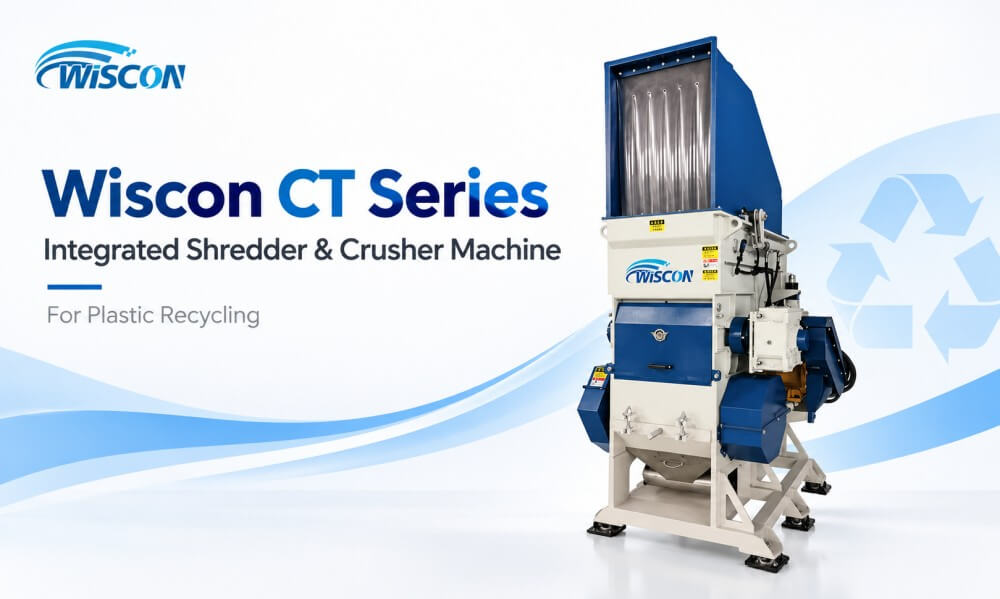 Why Are Integrated Shredder and Crusher Machines Gaining Attention in Solid Waste Recycling?
 200L Plastic Drum Shredder: How to Prevent Jamming and Improve Recycling Efficiency
 Is Leather Waste Recycling Profitable?
 How to Choose the Right Plastic Bucket Shredder for Small-Batch Paint Residue Plastic Recycling?
 Paper Mill Waste Recycling: Turning Paper Mill Rejects into RDF/SRF
