In industrial recycling, the performance of a single shaft shredder depends heavily on cutter condition. A well-maintained cutter helps the machine deliver stable output size, smooth material feeding, and lower energy consumption. A worn cutter, on the other hand, often leads to reduced throughput, more frequent machine reversals, higher operating load, and rising maintenance costs.
For recycling plants and equipment buyers, extending the lifespan of a single shaft shredder cutter is not only a maintenance issue. It is also a direct way to improve production efficiency and control long-term operating expenses. Whether you process plastic scrap, wood waste, RDF, paper, textile, or mixed solid waste, cutter life is shaped by material selection, machine settings, inspection routines, and maintenance timing.
This guide explains the most practical ways to reduce cutter wear and keep your single shaft shredder running efficiently for longer.
 1. Understanding What Causes Premature Wear on Shredder Cutters
Before improving cutter life, it is important to understand why cutters fail early.
In most single shaft shredding applications, premature wear is caused by a combination of abrasion, impact, heat, and poor operating habits. Abrasive wear is especially common when the feedstock contains sand, dirt, glass particles, metal residue, or other contaminants. Even if the main material is plastic or wood, foreign matter can quickly damage the cutting edge.
Impact wear is another major factor. When oversized lumps, hard blocks, or materials beyond the machine’s design range enter the shredder, the cutter edge may chip or develop micro-cracks. In many plants, this kind of damage does not happen all at once. It starts with repeated shock loading and gradually becomes visible after days or weeks of operation.
Heat also shortens cutter life. When the cutter becomes dull, the shredder often needs more force to cut the same material. That increases friction, raises temperature, and speeds up edge deterioration. If this condition continues, the cutter loses sharpness faster and the entire shredding system becomes less stable.
Poor rotor-to-bed-knife clearance, inconsistent feeding, and delayed maintenance can all accelerate wear. In simple terms, cutter life is rarely lost because of one single reason. It is usually the result of several small problems happening at the same time.
2. Choosing the Right Cutter Material for Different Waste Applications
One of the biggest mistakes in industrial shredding is using the same cutter specification for every type of material.
Different waste streams place very different demands on a single shaft shredder cutter. Clean PE film, rigid plastic lumps, woven bags, pallets, paper rolls, and wood waste do not behave the same way inside the shredding chamber. As a result, the cutter material should be selected based on the actual feedstock, not just on general machine size.
For cleaner and softer materials, cutter toughness is often more important than extreme hardness. A cutter that is too hard may resist wear well on paper, but it may also become more brittle under irregular feeding or impact loads. For contaminated or abrasive materials, higher wear resistance becomes more important because the edge is exposed to constant grinding.
The right choice is usually a balance between hardness, toughness, and edge stability. A cutter that stays sharp but chips easily is not a good solution. A cutter that never chips but wears down too fast is not ideal either. That is why experienced shredder manufacturers usually recommend matching cutter material and heat treatment to the material category.
For B2B buyers, this point matters a lot. A cutter that is slightly more suitable for your actual waste stream can often reduce replacement frequency, lower downtime, and improve total cost efficiency over time.
3. Daily Inspection Tips to Prevent Unexpected Cutter Damage
Daily inspection is one of the simplest and most effective ways to extend cutter lifespan. It does not require complex tools, but it does require discipline.
Operators should inspect the cutter and rotor area at the beginning or end of each shift. The goal is to identify small signs of wear before they become serious failures. Typical warning signs include rounded cutting edges, chipped corners, uneven wear marks, unusual vibration, frequent machine reversal, and unstable output size.
Amperage and throughput should also be monitored together. If the shredder is drawing more power while producing less output, the cutter may already be losing efficiency. In many cases, performance data reveals cutter problems earlier than visual inspection alone.
It is also useful to pay attention to sound. A stable shredding sound usually indicates normal cutting action. Sharp knocking sounds, repeated impact noise, or irregular resistance may suggest that the cutter is under stress from contamination, feeding imbalance, or improper clearance.
A short inspection routine can prevent a much larger maintenance problem. For recycling plants that run multiple shifts, this habit can make a noticeable difference in cutter life and machine reliability.
4. The Importance of Regular Cleaning and Lubrication
Cleaning is often overlooked in shredder maintenance, but it plays an important role in cutter life.
Material residue such as melted plastic, adhesive, fibers, paper dust, or fine particles can build up around the cutter and rotor. Over time, this residue increases friction, traps heat, and interferes with normal cutting action. Once the cutting zone becomes less stable, wear increases faster.
Regular cleaning helps the cutter work under more consistent conditions. It also makes inspection easier, because cracks, chips, and wear marks are easier to identify on a clean surface. For machines processing film, textile, or sticky material, cleaning intervals should be more frequent because residue build-up tends to happen faster.
Lubrication should also be part of the maintenance routine, although not directly on the cutting edge unless the equipment design specifically requires it. Bearings, moving assemblies, and related support components must be properly lubricated to reduce vibration and alignment problems. When these supporting parts are neglected, cutter wear often increases indirectly because the machine no longer runs as smoothly as it should.
In other words, regular cleaning protects the cutter from excess friction, and proper lubrication protects it from the mechanical instability that shortens service life.
5. When to Sharpen or Replace Your Single Shaft Shredder Cutter
A common problem in many recycling plants is waiting too long to sharpen the cutter.
Once the edge becomes heavily rounded, the shredder needs more energy to process the same volume of material. Output drops, heat rises, and stress on the rotor and drive system increases. At this stage, operating costs go up even before the cutter completely fails.
A better approach is to sharpen the cutter before wear becomes severe. Timely sharpening preserves cutter geometry, reduces unnecessary load on the machine, and helps maintain more stable particle size. It also prevents operators from pushing a worn cutter until it damages nearby components.
Replacement becomes necessary when the cutter can no longer be safely restored by sharpening. This usually happens when repeated regrinding has reduced its usable mass, when cracks appear, or when edge damage becomes too deep to correct economically.
For most industrial users, the best maintenance strategy is not reactive replacement. It is preventive sharpening based on condition, performance, and inspection records.
 Final Thoughts
Extending the lifespan of a single shaft shredder cutter is not about one isolated maintenance action. It requires the right cutter material, stable feeding conditions, daily inspection, regular cleaning, correct lubrication, and timely sharpening.
For recycling plants, waste processors, and industrial buyers, cutter lifespan has a direct influence on uptime, maintenance cost, and production efficiency. A well-managed cutter program helps reduce unexpected stoppages and improves the overall performance of the shredding system.
If you want your single shaft shredder to deliver reliable long-term results, the cutter should be treated as a core production component, not just a replaceable spare part.
Looking for durable single shaft shredder cutters for plastic, wood, RDF, paper, or mixed solid waste?
We can help you choose the right cutter material and configuration based on your feedstock, operating conditions, and output requirements.
Contact us today for cutter recommendations, technical support, or a quotation.
 FAQ
1. How often should a single shaft shredder cutter be sharpened?
The sharpening interval depends on the type of material, contamination level, machine load, and daily operating hours. Instead of using a fixed schedule only, many plants monitor cutter condition through amperage, throughput, edge wear, and output consistency.
2. What causes premature wear on a single shaft shredder cutter?
The most common causes include abrasive contamination, oversized materials, impact loading, improper clearance, excess heat, and lack of regular inspection or maintenance.
3. What is the best cutter material for a single shaft shredder?
There is no single best material for every application. The right cutter material depends on the feedstock, contamination level, and working condition. A proper balance of hardness and toughness is usually the key.
4. When should a shredder cutter be replaced instead of sharpened?
A cutter should be replaced when repeated sharpening reduces its usable size, when cracks appear, or when severe damage makes regrinding uneconomical or unsafe.
5. How can maintenance extend shredder cutter lifespan?
Routine inspection, regular cleaning, correct lubrication of supporting components, proper machine settings, and timely sharpening all help reduce wear and extend cutter service life.


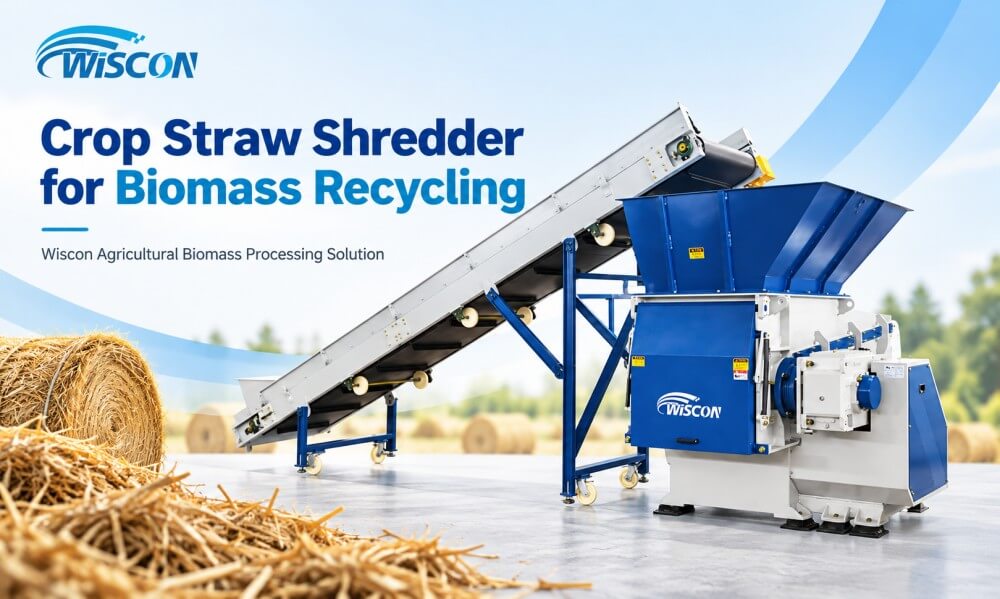 Crop Straw Shredder Supports Efficient Agricultural Biomass Recycling
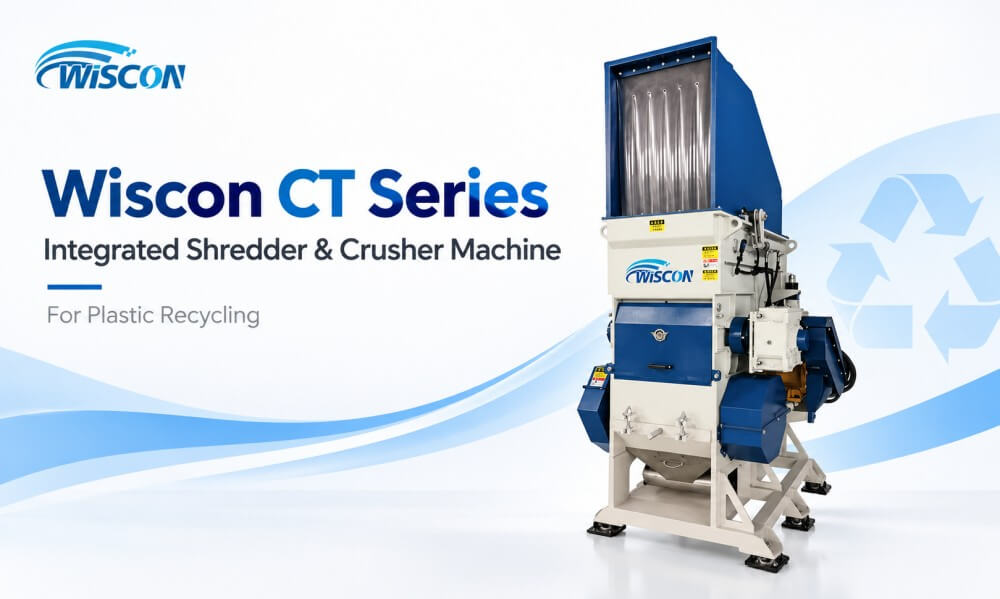 Why Are Integrated Shredder and Crusher Machines Gaining Attention in Solid Waste Recycling?
 200L Plastic Drum Shredder: How to Prevent Jamming and Improve Recycling Efficiency
 Is Leather Waste Recycling Profitable?
 How to Choose the Right Plastic Bucket Shredder for Small-Batch Paint Residue Plastic Recycling?
