Every year, the world generates more than 1.5 billion scrap tires—adding up to around 60 million tons. These come mainly from replacement tires used on cars, trucks, buses, construction equipment, and other vehicles. As the number of vehicles increases globally, so does the pile of scrap tires. Managing this waste is a big environmental challenge, but it also offers exciting opportunities to recover useful materials.
There are several effective ways to recycle and reuse old tires. Here are some popular methods:
1. Pyrolysis
This process involves heating tires at high temperatures in an environment without oxygen. The tires break down into several useful products: about 40% fuel oil, 30% carbon black, 20% steel wire, and 10% combustible gas. The fuel oil can power industrial boilers, carbon black is used in making rubber products and inks, and the steel wire is recycled for new metal products.
2. Retreading
If tires have only minor wear and their structure remains solid, they can be sent to professionals who retread them. This means the tires get a new tread, making them almost as good as new and ready to be reused safely.
3. Crushing and Grinding
Used tires are shredded into smaller pieces, then crushed and ground into rubber particles (usually 30 mesh or finer). After removing steel wires and fibers, the rubber can be reused in various ways:
Rubber lumps or pellets: These are used as high-energy fuels in industrial settings such as cement factories, power plants, paper mills, and steel plants.
Rubber powder or granules: These find new life in products like rubber floor mats, sports tracks, asphalt mix enhancements, and artificial turf.
At Wiscon, we offer a full waste tire recycling system that includes shredding, grinding, wire and fiber removal, and iron extraction. Our smart management system automates the process to meet different size and quality needs, helping customers recycle tires efficiently and sustainably.
We’re excited to help you turn scrap tires into valuable resources!


 There are several effective ways to recycle and reuse old tires. Here are some popular methods:
 3. Crushing and Grinding
 At
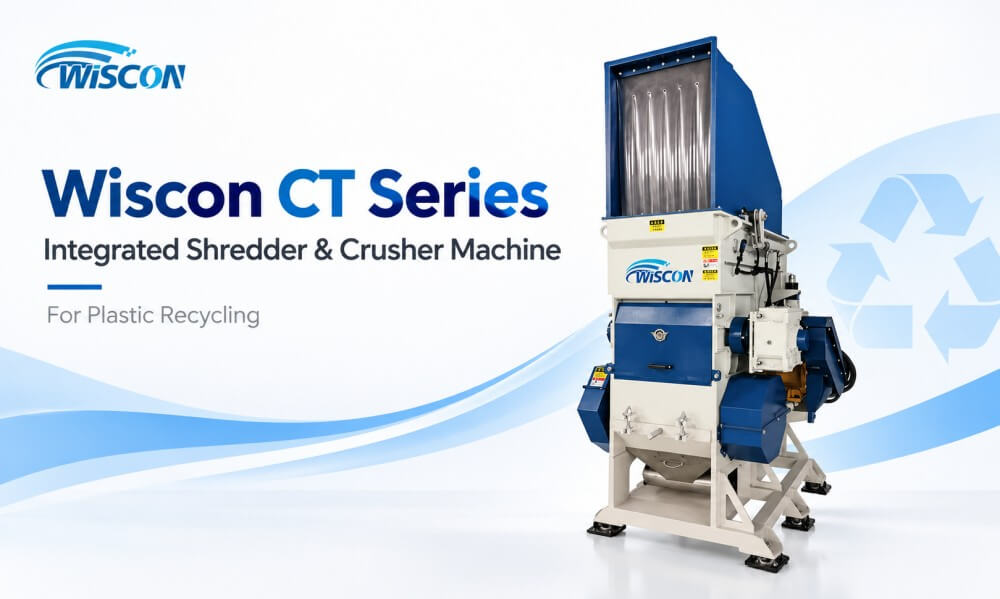 Why Are Integrated Shredder and Crusher Machines Gaining Attention in Solid Waste Recycling?
 200L Plastic Drum Shredder: How to Prevent Jamming and Improve Recycling Efficiency
 Is Leather Waste Recycling Profitable?
 How to Choose the Right Plastic Bucket Shredder for Small-Batch Paint Residue Plastic Recycling?
 Paper Mill Waste Recycling: Turning Paper Mill Rejects into RDF/SRF
