As the use of electronic devices continues to grow, so does the amount of discarded batteries, creating a growing environmental challenge. Traditional methods of dealing with waste batteries are often inefficient and can lead to secondary pollution. The hammer mill, a highly efficient and environmentally friendly tool, offers a viable solution for recycling these waste batteries.
The hammer mill machine operates using advanced crushing technology, rapidly breaking down waste batteries into their individual components. This process not only improves recycling efficiency but also significantly cuts processing costs. Most importantly, it helps reduce the environmental buildup of discarded batteries, making a major impact in combating battery pollution.
One of the standout features of the hammer mill is its versatility. It can handle a variety of waste batteries, including common dry cells, lithium batteries, and more. This adaptability makes the hammer mill an essential tool in the recycling of waste batteries across different industries.
Wiscon Envirotect, with over ten years of expertise in the field, has designed a hammer mill specifically tailored for lithium battery crushing. While primarily intended for lithium battery recycling, this equipment is also effective in processing other forms of solid waste such as wood and glass, delivering benefits across multiple industries.
In the realm oflithium battery recycling, Wiscon’s hammer mill is compatible with several types of batteries, including power-type, energy storage-type, and 3C-type lithium-ion batteries. It can efficiently process common battery formats such as cylindrical, pouch, and prismatic cells, as well as defective batteries, scrap electrodes, and other special waste. This broad capability ensures the hammer mill can address a wide range of materials, providing comprehensive and adaptable solutions. Additionally, the hammer mill is customizable, allowing for the use of different hammer materials such as carbon steel, cast iron, welded steel, and tungsten steel, depending on the crushing requirements.
When it comes to operational stability, the hammer mill is designed to minimize vibrations and noise. The main shaft is precision-balanced to a G2.5 dynamic balance grade, ensuring smooth and stable operation. This not only improves equipment longevity but also provides a safer, more comfortable working environment for operators. The fully sealed design of the equipment housing, along with protective features, prevents the leakage of harmful substances during crushing, ensuring no secondary pollution is produced and maintaining both environmental and operational safety.
Durability and reliability are core attributes of the hammer mill. Its rollers are crafted from highly wear-resistant, high-hardness materials and undergo precise balancing to extend the machine’s lifespan. The hammer mill is also equipped with an energy-efficient motor and a powerful power system, optimizing energy use while maintaining high crushing efficiency. This combination of energy conservation and high performance aligns with environmental sustainability goals.
As a crucial tool in the fight against battery pollution, the hammer mill plays an essential role in advancing the recycling of waste batteries. With ongoing technological advancements and expanded applications, the hammer mill will continue to play a pivotal role in the future of sustainable battery recycling.


 The
 In the realm of
 Durability and reliability are core attributes of the hammer mill. Its rollers are crafted from highly wear-resistant, high-hardness materials and undergo precise balancing to extend the machine’s lifespan. The hammer mill is also equipped with an energy-efficient motor and a powerful power system, optimizing energy use while maintaining high crushing efficiency. This combination of energy conservation and high performance aligns with environmental sustainability goals.
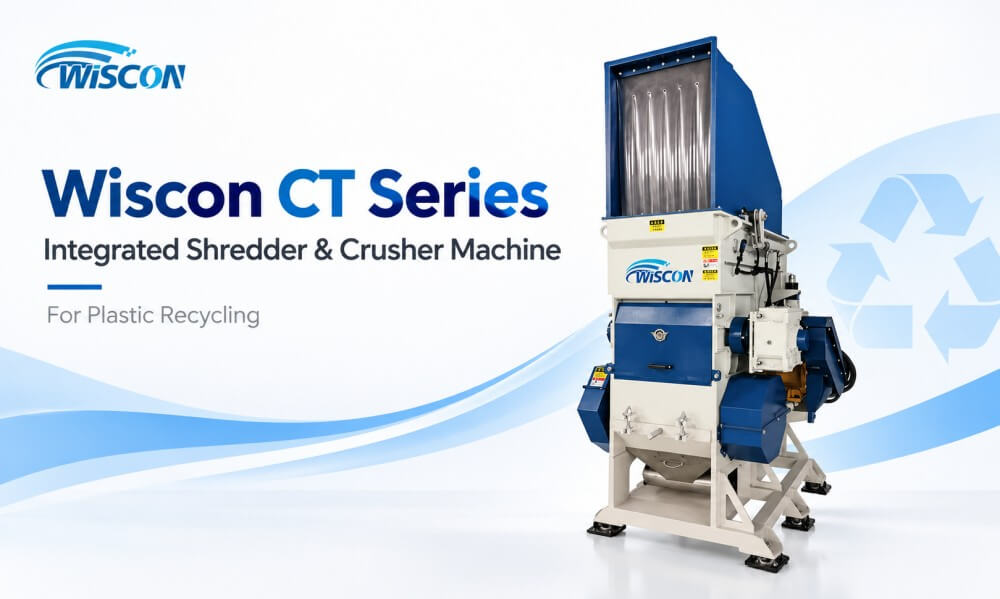 Why Are Integrated Shredder and Crusher Machines Gaining Attention in Solid Waste Recycling?
 200L Plastic Drum Shredder: How to Prevent Jamming and Improve Recycling Efficiency
 Is Leather Waste Recycling Profitable?
 How to Choose the Right Plastic Bucket Shredder for Small-Batch Paint Residue Plastic Recycling?
 Paper Mill Waste Recycling: Turning Paper Mill Rejects into RDF/SRF
