What is the Difference Between Solid Waste and Hazardous Waste?
 Coverage: Hazardous waste is actually a subset of solid waste. In terms of environmental protection classification, solid waste encompasses all types of waste, including hazardous waste. However, the treatment of hazardous waste must strictly follow the regulations set out in the Solid Waste Law.
Environmental and Health Hazards: General solid waste tends to be less harmful to both the environment and human health. Some types can naturally decompose over time. Hazardous waste, on the other hand, is much more dangerous. Exposure to hazardous waste can cause severe health issues, even death, and once the environment is contaminated, it is incredibly difficult to restore.
Treatment Methods: For general solid waste, methods like crushing, volume reduction, incineration, and landfill disposal are often sufficient. However, hazardous waste must undergo special treatment to render it harmless before any further disposal can take place.
Treatment Costs: The cost of treating general solid waste is relatively low, and the qualifications needed by treatment companies are less stringent. Treating hazardous waste, however, is much more expensive, and only companies with specialized qualifications can handle this type of waste.
 How is General Solid Waste Treatment Different from Hazardous Waste Treatment?
Treatment Units Differ: The treatment of general solid waste and hazardous waste is handled by different types of units. For general solid waste, businesses can handle storage, transport, and disposal themselves, provided they submit the relevant information to local environmental protection authorities. However, once the waste is classified as hazardous, it must be handed over to a qualified treatment facility. Businesses are not allowed to dispose of hazardous waste on their own, as doing so would be illegal.
Strict Classification for Hazardous Waste: While general industrial solid waste does not require special qualifications for disposal, hazardous waste must be kept separate from non-hazardous waste. It must be collected and stored according to its specific characteristics. Mixing hazardous waste with other waste types is strictly prohibited, as is transporting or disposing of it before it has undergone safe treatment.
Special Protections for Hazardous Waste Storage: Hazardous waste must be stored in facilities that meet national environmental protection standards, and it can only be stored for up to one year. If more time is required, approval must be obtained from the original environmental protection authority that granted the business license. Solid waste, whether hazardous or general, must be handled in a way that prevents spills, leaks, or environmental pollution.
 How to Handle General Solid Waste and Hazardous Waste?
General solid waste is typically processed in treatment lines designed for materials like waste leather, fabric, and commercial plastics with high calorific value. For more complex waste, screening machines and density air separators can be added to achieve effective treatment. A high-torque, double-shaft shear shredder, along with a single-shaft shredder designed for SRF (Solid Recovered Fuel) and RDF (Refuse-Derived Fuel), can reduce the waste size to 30-80mm, depending on specific needs. After secondary crushing, more than 95% of the material will meet the required size. The goal is to convert general solid waste into SRF or RDF, which can then be used as an alternative to coal, turning waste into a source of energy.


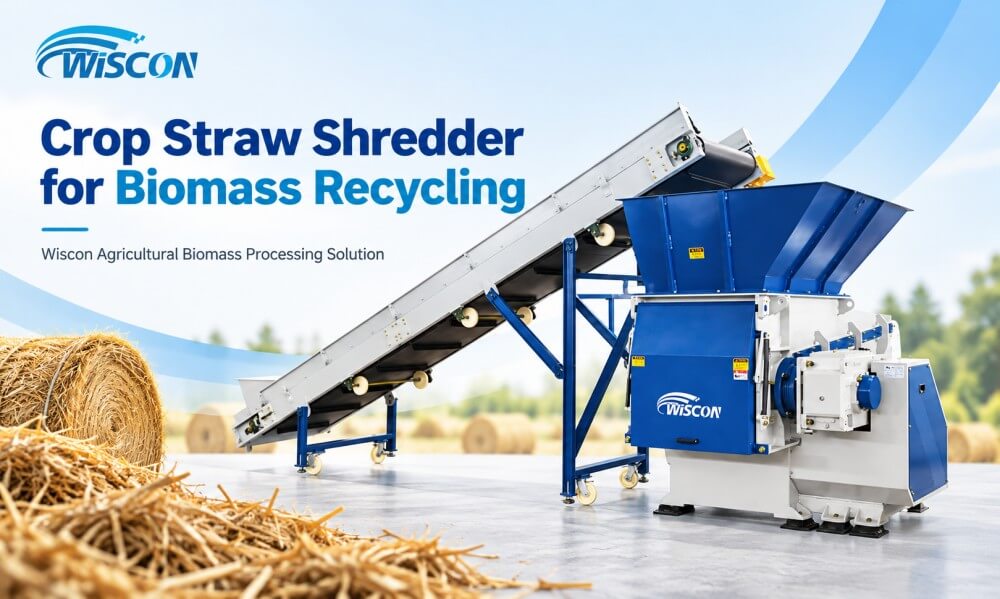 Crop Straw Shredder Supports Efficient Agricultural Biomass Recycling
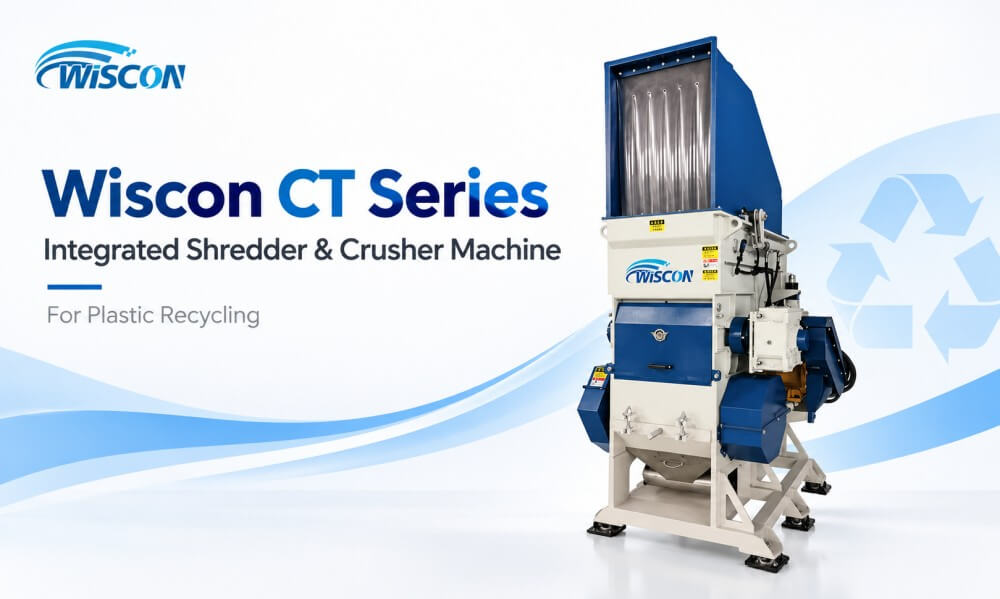 Why Are Integrated Shredder and Crusher Machines Gaining Attention in Solid Waste Recycling?
 200L Plastic Drum Shredder: How to Prevent Jamming and Improve Recycling Efficiency
 Is Leather Waste Recycling Profitable?
 How to Choose the Right Plastic Bucket Shredder for Small-Batch Paint Residue Plastic Recycling?
