When it comes to handling tough industrial solid waste, things like heavy scrap metal, thick pipes, old machinery casings, and mixed composite parts can be a real headache. Traditional shredders often struggle with low output, quick wear and tear, and inconsistent results. That’s where thefour-shaft shredder steps in as a game-changer. With its powerful, low-speed torque and clever multi-shaft design, it tackles these problems head-on, making resource recovery smoother and more effective.
How a Four-Shaft Shredder Works and What Makes It Stand Out
At its core, a four-shaft shredder features four synchronized cutting shafts that spin at different speeds, creating a dynamic shearing action. Materials get pulled in, shredded, torn, and squeezed between the moving blades and fixed ones. Once broken down, the pieces pass through a customizable screen that controls the final particle size. You can tweak things like blade shapes, gaps between cutters, and rotation speeds to switch between rough or finer shredding, depending on what you’re dealing with.
Compared to single- or twin-shaft models, this setup has some clear edges:
Multi-dimensional shearing: The interlocking blades form a tight network of cutting points, perfect for bulky metals, tough plastics, and layered composites.
Jam-proof smarts: It senses overloads via torque or current and automatically reverses to clear blockages, keeping everything running without constant stops.
Consistent, screened results: The screen ensures uniform output, often skipping the need for extra shredding before sorting, melting, or granulating.
Real-World Performance and Applications
What really sets fourshaft shredders apart is their ability to handle the hardest jobs with precision and power. Here are some common scenarios where they shine:
Metal waste: Think heavy scraps, machine bases, beams, and thick pipe chunks.
Plastics and composites: Oversized tanks, fittings, big bags (like FIBCs), and metal-embedded plastics.
Large bulky items: Old drums, pallets, and crates – they can shrink volume by 80-90%, saving space and costs.
Emerging recycling needs: End-of-life wind turbine blades (with glass fiber and resin) or big battery packs, breaking them down to recover valuable fibers, metals, and components.
In one real example from a heavy manufacturing site, a four-shaft shredder processed old machine frames and steel sections with about 60% more throughput than a standard twin-shaft machine using the same screen. The output metal was cleaner and ready for the furnace without extra steps. Of course, results depend on factors like material shape, dirt levels, wetness, screen choice, and how evenly you feed it – that’s why testing on your specific setup is always a good idea.
Fitting into the Bigger Recycling Picture
In a full industrial waste management system, the four-shaft shredder acts as the starting point for size reduction and uniformity. It turns massive, awkward pieces into manageable, even fragments that are easier to transport, store, and sort. This cuts down on shipping expenses, boosts efficiency in later processes, and helps avoid landfills – all while promoting waste reduction, safety, and reuse.
Future Trends in Four-Shaft Shredder Tech
As industries push for lower carbon footprints and smarter operations, four-shaft shredders are evolving too:
Smarter energy use: Improved torque control, efficient gears, better feeding systems, and adjustable screens/gaps to slash energy per ton processed.
Intelligent upkeep: Using IoT for real-time monitoring of loads, vibrations, and temperatures, plus data on blade wear and predictive alerts to avoid breakdowns.
Custom tweaks for industries: Specialized blade designs and speed variations for things like insert-heavy metals, fibrous composites, or electronic scrap, optimizing speed, size, and long-term costs.
Prioritizing Safety and Eco-Friendliness
Safety isn’t an afterthought here:
Built-in safeguards: Locks on hoppers, doors, and screens, plus easy-access emergency stops.
Controlling dust and noise: Filters like baghouses or cartridges to catch particles, and soundproofing panels with vibration dampers.
Fire and heat prevention: Sensors for sparks with auto-spraying systems, especially for metal or flammable materials.
Weatherproofing: Electrical parts rated IP54-IP55 to handle tough environments.
Wrapping It Up: Why Four-Shaft Shredders Matter
Thanks to their high torque at slow speeds and coordinated shafts, four-shaft shredders bring both brute force and fine control to challenging industrial wastes. As energy efficiencies improve and smart monitoring takes off, they’ll become even more vital in recycling metals, handling new-energy waste, and supporting sustainable manufacturing.
About Wiscon Envirotech
At Wiscon Envirotech, we’ve got hands-on experience and successful projects with four-shaft shredders in fields like metal processing, plastic recycling, renewable materials, and remanufacturing. We provide trial runs and custom designs tailored to your waste types and production goals.
Common Questions About Four-Shaft Shredders
Q1: Does it replace the need for a second shredding stage? In many cases, absolutely. For targets under 30mm with good volume, starting with a 40-50mm screen and following up with sorting or reshaping often works best and saves money.
Q2: What about wrapping issues with films or big bags? It depends on blade design, spacing, entry guides, and reversal features. Set it up right, and brief auto-reverses handle tangles without much hands-on intervention.
Q3: How do I pick the right blade materials? Base it on your main materials, then add coatings like hardfacing or nitriding for contaminants. But watch out – too much hardening might lead to chips or cracks.
Q4: What’s the best way to measure energy efficiency? Look beyond rated power; factor in kWh per ton, reversal frequency, and how much oversized material loops back through the screen for a real picture of performance.


 How a Four-Shaft Shredder Works and What Makes It Stand Out
 Fitting into the Bigger Recycling Picture
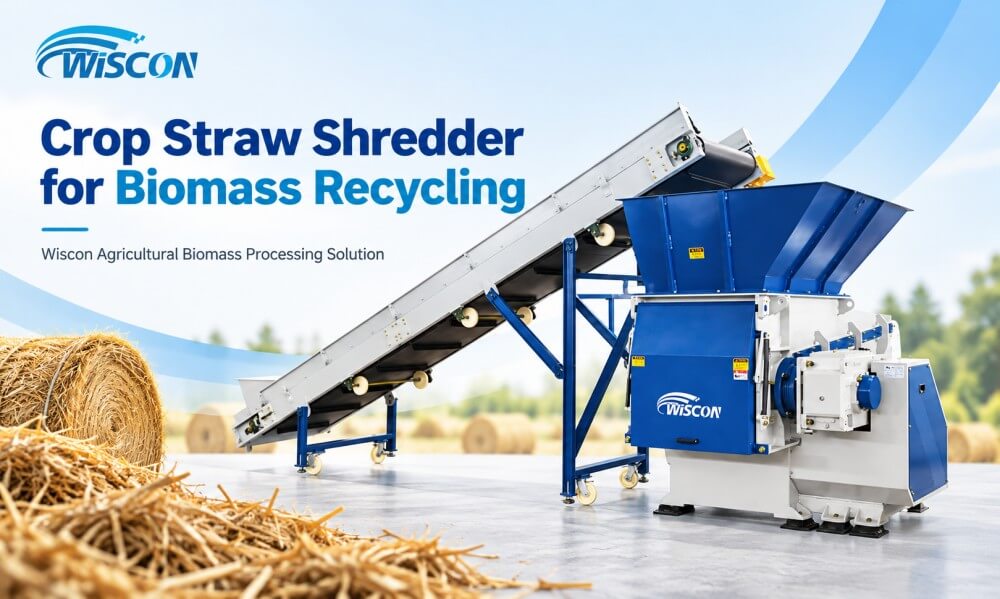 Crop Straw Shredder Supports Efficient Agricultural Biomass Recycling
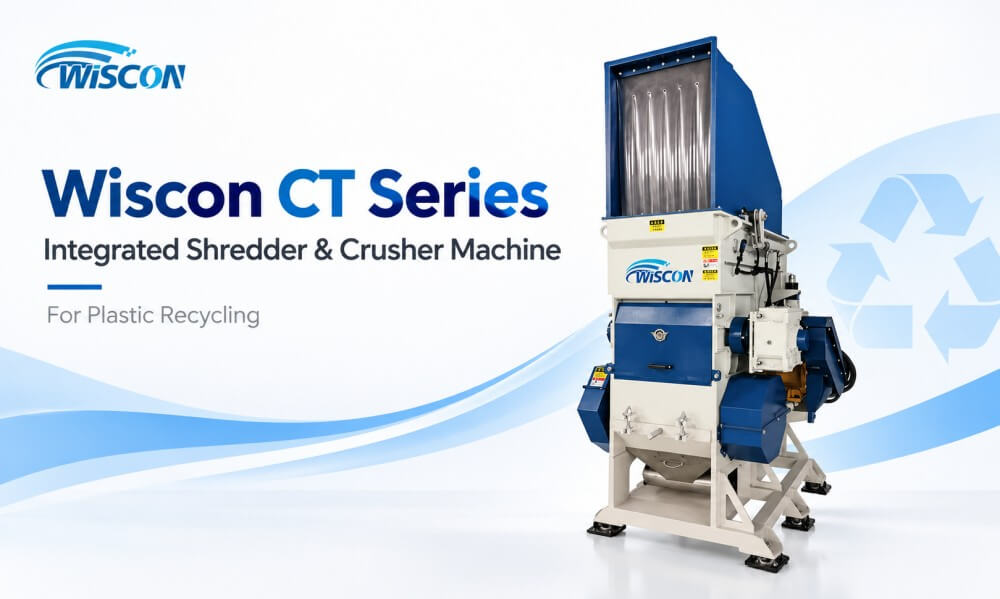 Why Are Integrated Shredder and Crusher Machines Gaining Attention in Solid Waste Recycling?
 200L Plastic Drum Shredder: How to Prevent Jamming and Improve Recycling Efficiency
 Is Leather Waste Recycling Profitable?
 How to Choose the Right Plastic Bucket Shredder for Small-Batch Paint Residue Plastic Recycling?
