Discarded fishing nets are one of the most persistent forms of waste polluting our oceans and landfills. Made from durable synthetic materials, these nets are designed to last but create enormous challenges when disposed of improperly. Ghost nets can entangle marine life, clog ecosystems, and add to the growing crisis of plastic pollution. However, the advent of fishnet shredders has revolutionized waste management, turning this environmental hazard into valuable resources. In this blog, I will explore the problem of discarded fishnets, how fishnet shredders work, their benefits, and the exciting opportunities they create for recycling and sustainability.
 The Problem with Discarded Fishnets
Fishing nets are constructed from materials like nylon and polyethylene, making them tough and long-lasting. While this durability is essential for marine applications, it becomes a liability when these nets are abandoned or discarded. Known as ghost nets, they often remain in the environment for decades, posing significant threats to marine life and ecosystems. Conventional disposal methods like landfilling or incineration are neither efficient nor environmentally friendly. This is where fishnet shredders step in, offering a sustainable alternative.
What is a Fishnet Shredder?
A waste fishnet shredder is a specialized machine built to handle the tough and fibrous nature of fishing nets. Unlike ordinary shredders, these machines are equipped with hardened blades, high-torque motors, and optimized feed systems that ensure smooth and efficient processing. Advanced models even include anti-jamming mechanisms and customizable settings to handle nets of varying thicknesses and materials. By shredding fishing nets into smaller pieces, these machines make recycling and repurposing easier and more effective.
How Fishnet Shredders Work
Fishnet shredders are designed for seamless operation. The process begins when the nets are fed into the machine’s hopper. Inside, powerful blades cut the nets into smaller fragments, guided by a high-torque motor that ensures consistent performance. Many machines also feature cooling systems to prevent overheating during continuous use. Some advanced shredders come with integrated sorting mechanisms to remove contaminants like metal hooks, ropes, and debris, delivering cleaner output for recycling processes.
 Benefits of Using Fishnet Shredders
Fishnet shredders significantly reduce ocean pollution and the environmental impact of discarded nets. By breaking these materials into reusable fragments, they help conserve resources, reduce waste, and promote sustainable practices.
Shredding fishing nets lowers transportation and processing costs by reducing their volume and weight. Over time, recycling proves to be more economical than disposal methods like landfilling or incineration.
Modern fishnet shredders can process other synthetic materials, including ropes and fabrics, making them highly versatile for industries handling diverse waste streams.
Applications of Shredded Fishnets
- Raw Material for Manufacturing
Shredded fishnets are often transformed into plastic pellets, which can be used to manufacture new products such as containers, automotive parts, and textiles.
- Eco-Friendly Consumer Goods
Recycled fishnet materials are increasingly used in the creation of sustainable products like sports gear, carpets, and fashion items, aligning with consumer demand for environmentally conscious goods.
In scenarios where recycling is not feasible, shredded fishnets can serve as a fuel source in waste-to-energy facilities, providing a renewable alternative to fossil fuels.
 Key Features to Look for in a Fishnet Shredder
High-strength blades and robust construction are essential for handling tough synthetic materials without frequent maintenance.
Choose a shredder that meets your operational needs in terms of throughput capacity and consistent performance.
Safety mechanisms like overload protection, emergency stop buttons, and enclosed cutting chambers ensure safe operation.
Advanced shredders offer adjustable blade configurations, output sizes, and feeding mechanisms, making them adaptable to various requirements.
The Future of Recycling with Fishnet Shredders
The rise of fishnet shredders is a testament to the progress in sustainable waste management and circular economy practices. With ongoing technological advancements, these machines are becoming more efficient and accessible. Collaborative efforts between manufacturers, recycling facilities, and environmental organizations will further amplify their impact, driving the global shift toward greener industries. By turning waste into wealth, fishnet shredders are not just solving today’s challenges but also paving the way for a cleaner and more sustainable tomorrow.
Fishnet shredders are transforming how industries tackle the issue of discarded fishing nets. By breaking down these tough materials and enabling recycling, they address environmental challenges while unlocking economic opportunities. As technology continues to evolve, fishnet shredders will play an increasingly vital role in building a sustainable future. Whether you’re in manufacturing, recycling, or waste management, investing in a fishnet shredder is a step toward making a meaningful difference.


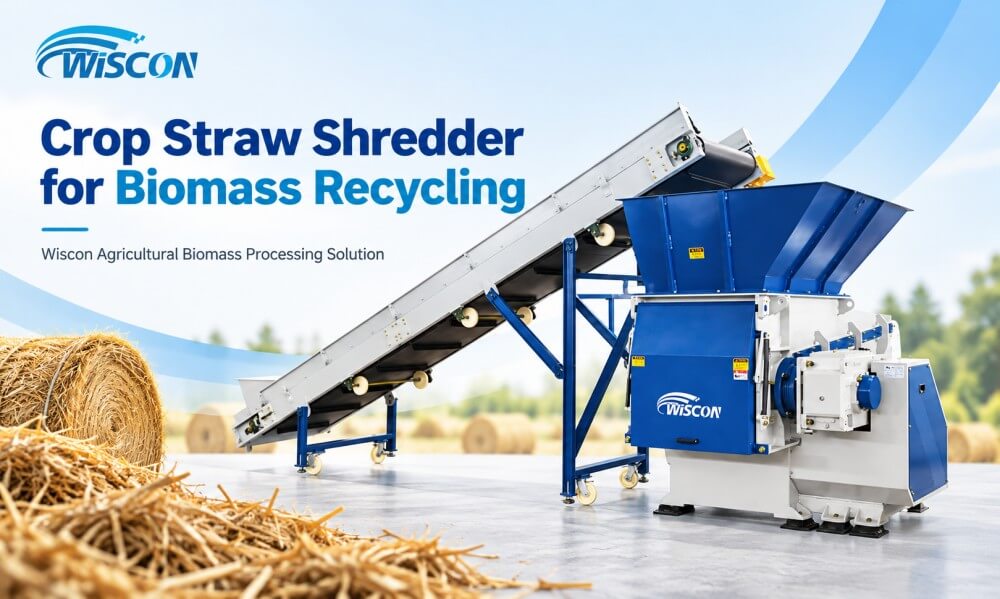 Crop Straw Shredder Supports Efficient Agricultural Biomass Recycling
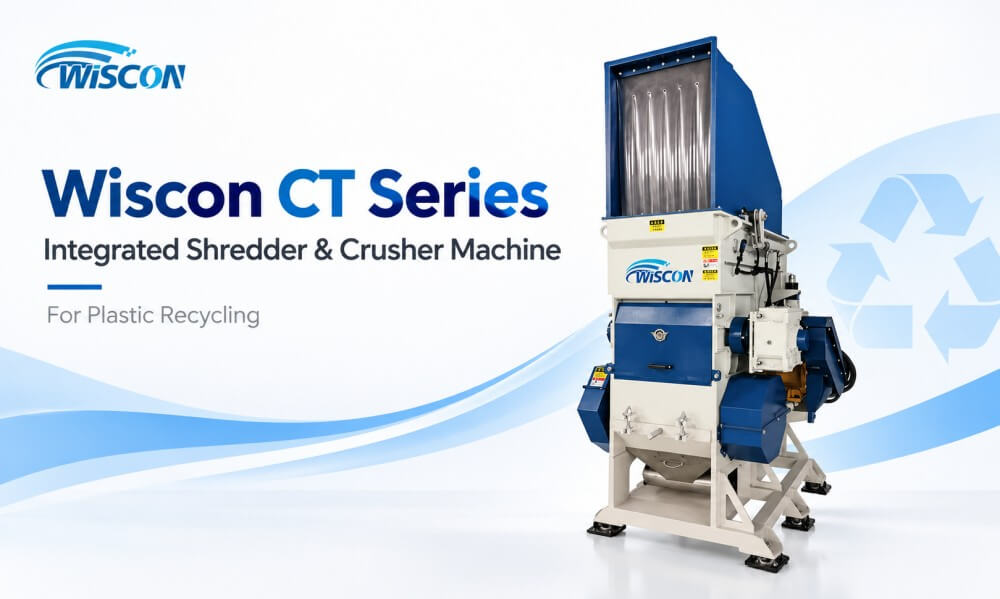 Why Are Integrated Shredder and Crusher Machines Gaining Attention in Solid Waste Recycling?
 200L Plastic Drum Shredder: How to Prevent Jamming and Improve Recycling Efficiency
 Is Leather Waste Recycling Profitable?
 How to Choose the Right Plastic Bucket Shredder for Small-Batch Paint Residue Plastic Recycling?
