Palm oil mills generate massive volumes of empty fruit bunches (EFB), and handling this fibrous waste efficiently can directly impact operating costs, plant cleanliness, and downstream productivity. I’ve seen operations struggle when EFB piles up—transport slows down, processing lines clog, and valuable biomass potential goes to waste. This is exactly where an industrial empty fruit bunch shredder becomes a critical asset, not just a piece of equipment.
In this guide, I break down how an empty fruit bunch shredder transforms waste management from a bottleneck into a streamlined, value-generating process. I focus on practical efficiency gains—material handling, volume reduction, energy recovery, and overall plant optimization—so you can clearly see where the real ROI comes from.
 What Are Empty Fruit Bunches (EFB) and Why They Create Operational Challenges
Empty fruit bunches (EFB) are the fibrous residues left after fresh fruit bunches are processed in palm oil mills. In day-to-day operations, EFB behaves very differently from standard bulk materials. It has a low density, high moisture content (typically 60–70%), and a tangled, irregular structure.
These characteristics create several practical challenges. EFB does not flow smoothly through equipment—it tends to bridge in hoppers, clog conveyors, and slow down handling systems. When left untreated, it quickly accumulates in large piles, taking up valuable yard space and complicating site logistics.
Moisture further reduces efficiency. While it increases transport weight, it lowers the material’s calorific value, making it less effective for energy recovery. Without proper size reduction, EFB is difficult to process in applications such as composting, pelletizing, or biomass combustion.
In many mills, untreated EFB becomes a bottleneck. It disrupts workflow, increases manual handling, and reduces overall operational efficiency.
The Role of EFB Shredders in Modern Palm Oil Waste Management Systems
An industrial EFB shredder plays a central role in improving waste management efficiency. It acts as a pre-processing solution that converts bulky, tangled biomass into a uniform and manageable material.
By shredding EFB at the source, mills can standardize the material before it enters downstream processes. This improves the performance of conveyors, feeders, and storage systems. Material flow becomes more predictable, and equipment operates with fewer interruptions.
EFB shredders also integrate seamlessly with other systems. They can be combined with presses for moisture reduction, dryers for fuel preparation, or composting systems for organic recycling. Instead of handling raw waste, operators work with a controlled and consistent feedstock.
This transformation allows the entire waste management process to become more scalable, stable, and easier to manage.
How Shredding Reduces EFB Volume and Simplifies Handling
One of the most immediate benefits of shredding EFB is volume reduction. By breaking down long fibres and compacting the structure, shredders can reduce bulk volume by approximately 40–60%, depending on machine configuration and output size.
This reduction delivers several practical advantages:
Improved transport efficiency: More material can be moved per load using the same trucks or conveyors.
Reduced manual handling: Operators spend less time clearing blockages or managing uneven piles.
Consistent feeding: Uniform particle size ensures steady input into downstream equipment.
Shredded EFB also stacks more efficiently. Instead of loose, unstable heaps, it forms compact and organized stockpiles. This helps optimize storage space and improves workplace safety.
Overall, shredding converts EFB from a difficult waste material into a stable and manageable resource.
Enhancing Biomass Utilization: From Waste to Energy and Value-Added Products
Once EFB is shredded, it becomes a valuable biomass feedstock rather than a disposal problem.
For energy applications, smaller and more uniform fibres improve combustion performance in biomass boilers. The material feeds more consistently, burns more evenly, and produces fewer unburned residues. When combined with drying processes, it can significantly increase energy efficiency.
Shredded EFB is also suitable for a range of value-added applications:
Composting: Increased surface area speeds up microbial activity and reduces processing time.
Mulch production: Provides a stable and organic soil covering material.
Pelletizing and briquetting: Uniform fibres improve densification and final product quality.
By enabling these applications, shredding allows mills to shift from waste disposal to resource recovery. This not only reduces environmental impact but also creates opportunities for additional revenue.
Energy Efficiency and Power Consumption of Industrial EFB Shredders
Industrial empty fruit bunch shredding machine typically operate within a power range of 75–200 kW, depending on capacity and design. While this represents a notable energy input, it is important to consider the overall system efficiency.
Shredding reduces the workload on downstream equipment. Conveyors operate with less resistance, dryers process material more efficiently, and boilers achieve more stable combustion. These improvements often offset the shredder’s energy consumption.
Machine design is a key factor in efficiency. High-quality shredders feature optimized rotor speeds, high-torque drive systems, and durable cutting blades. These elements ensure consistent performance while minimizing energy spikes and maintenance downtime.
Advanced systems may also include load-sensing controls, which adjust operation based on material input. This helps prevent unnecessary energy use and improves overall efficiency.
In practice, a well-designed EFB shredder does not increase the cost per tonne of processing. Instead, it enhances plant stability, reduces operational issues, and improves total energy efficiency across the entire waste management system.
Conclusion
An empty fruit bunch shredder is not just a piece of equipment—it is a critical component in modern palm oil waste management. By reducing volume, improving material flow, and enabling biomass utilization, it transforms EFB from a challenging waste stream into a valuable resource.
For mills aiming to improve efficiency, reduce costs, and increase sustainability, integrating an EFB shredder is a practical and effective solution.


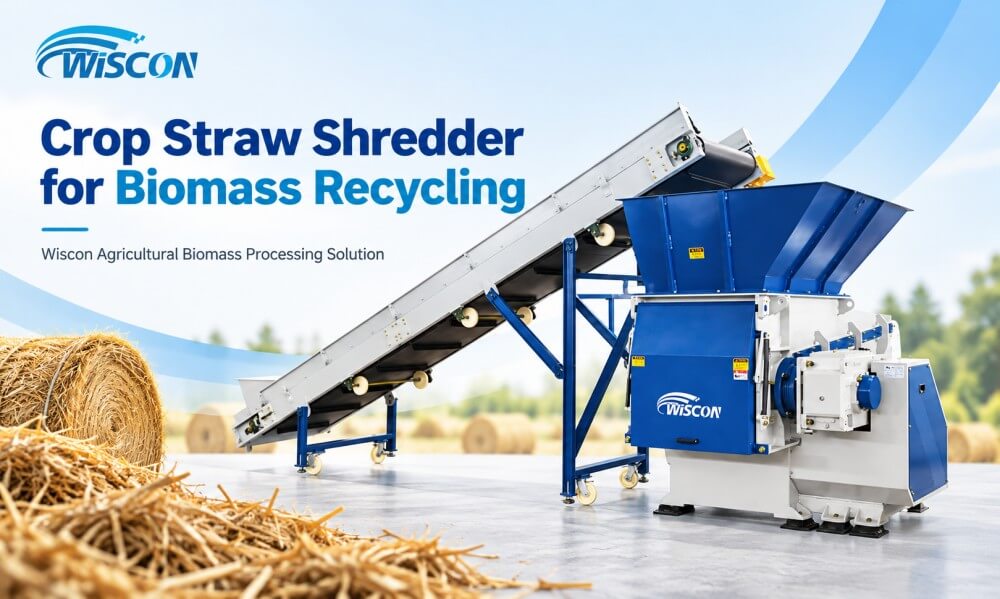 Crop Straw Shredder Supports Efficient Agricultural Biomass Recycling
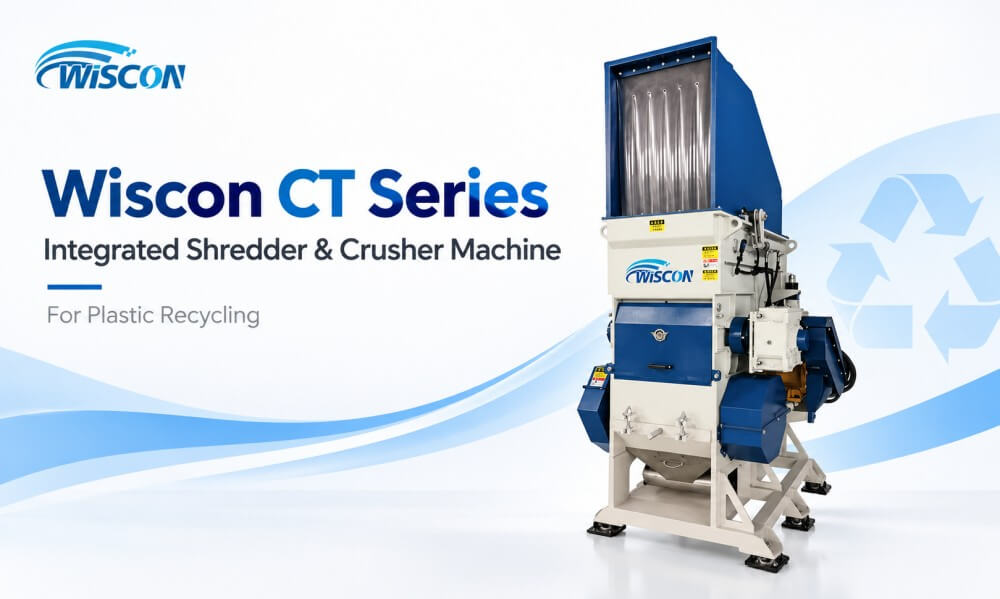 Why Are Integrated Shredder and Crusher Machines Gaining Attention in Solid Waste Recycling?
 200L Plastic Drum Shredder: How to Prevent Jamming and Improve Recycling Efficiency
 Is Leather Waste Recycling Profitable?
 How to Choose the Right Plastic Bucket Shredder for Small-Batch Paint Residue Plastic Recycling?
