Double shaft shredder knives have a direct effect on cutting efficiency, power demand, and machine stability. Many operators focus on motor power and throughput, but in day-to-day industrial use, knife condition often has a greater influence on real shredding performance. Technical knife research consistently links lower cutting force with lower power consumption and more stable operation, which is why knife condition should never be treated as a minor maintenance issue.
In most industrial shredding applications, double shredder knives are made from wear-resistant alloy tool steels selected for hardness, edge retention, and impact resistance. For example, D2 and similar cold-work tool steels commonly operate in roughly the 55–62 HRC hardness range after heat treatment, with many industrial blade applications sitting around 58–62 HRC. That hardness helps resist abrasive wear, but it also means the knives still require correct sharpening and alignment to avoid premature failure.
 Why Double Shaft Shredder Knife Maintenance Matters in Industrial Operations
In a double shaft shredder, the knives perform the most demanding task. They cut, tear, and pull material through the chamber under repeated impact and pressure. Once the cutting edge becomes rounded, the machine usually needs more effort to process the same feedstock. Industry guidance on industrial blades notes that dull blades increase resistance, reduce cutting precision, and raise energy demand, all of which can place more strain on the drive system over time.
From a maintenance point of view, knife care protects more than the knife itself. Poor knife condition can contribute to unstable feeding, inconsistent particle size, more vibration, and avoidable stress on shafts, bearings, and gearboxes. Proper lubrication of related rotating parts also matters because lubrication reduces friction and wear, helps carry away heat, and supports longer bearing fatigue life.
For industrial operators, the result is simple: better knife maintenance usually means lower downtime, more stable throughput, and longer component life. That is why regular inspection, cleaning, sharpening, and alignment checks should form part of a fixed maintenance routine rather than an occasional response to poor performance.
How to Inspect Double Shaft Shredder Knives for Wear, Cracks, and Damage
I always treat inspection as the first line of defence. A routine visual check can reveal rounded edges, chipped corners, surface cracks, deformation, or abnormal wear before those issues turn into serious failures. Wear assessment guidance for industrial shredder blades recommends not only visual examination, but also checking for performance changes and vibration patterns that may indicate developing damage.
It is equally important to inspect the knife seats, spacers, and overall assembly fit. If the clearance becomes uneven or the knife stack loosens, cutting accuracy drops and load distribution worsens. One practical maintenance approach used in industry is to combine daily visual checks, scheduled lubrication and oil checks, and a more complete annual inspection of alignment and wear surfaces. The exact interval depends on the material being processed, but a structured schedule is far more reliable than relying on guesswork.
In practical terms, operators should pay closer attention when processing abrasive or contaminated feedstock such as mixed plastics, metal scrap, tyres, or electronic waste. These materials can accelerate edge wear, increase impact loading, and make early inspection even more valuable.
Best Cleaning and Sharpening Practices for Double Shaft Shredder Knives
Material build-up is one of the most overlooked causes of poor knife performance. Dust, sticky residue, and trapped fragments increase friction around the blade edge and make it harder for the knife to cut cleanly. Industry maintenance guidance repeatedly recommends clearing debris from the cutting zone because build-up can interfere with knife clearance, reduce cutting efficiency, and hide developing damage.
Sharpening is just as important, but it must be controlled. Research into blade sharpening conditions shows that manufacturers value sharpening methods that reduce cutting force because lower cutting force supports lower power consumption and better process efficiency. At the same time, over-grinding removes useful material from the blade and can shorten its remaining life.
In my view, the best practice is moderate, timely sharpening. The aim is to restore the cutting edge while preserving the original knife geometry. A knife that is sharpened too aggressively may look clean, but it may also lose strength, wear faster, or perform less consistently in the next production cycle.
 How Proper Installation, Alignment, and Lubrication Extend Knife Life
Even a premium shredder knife will wear out quickly if installation is poor. When knives are mounted unevenly or clearance is set incorrectly, the cutting load becomes unbalanced. That imbalance can lead to vibration, irregular wear, edge chipping, and in severe cases, cracking. Guidance on shredder blade quality and maintenance consistently highlights fit accuracy, hardness balance, and assembly precision as major factors in blade life.
Alignment also affects how material moves through the cutting chamber. If one side of the shaft takes more load than the other, the knives wear unevenly and throughput becomes less stable. Over time, that reduces efficiency and raises maintenance cost. This is why alignment checks during reassembly are just as important as the quality of the knife material itself.
Lubrication supports the whole cutting system by protecting nearby moving parts. Bearing manufacturers state clearly that proper lubrication reduces friction and wear, prevents overheating, blocks contamination, and helps extend fatigue life. In other words, although the knife edge itself is not lubricated like a bearing, the surrounding system still depends on sound lubrication practice for stable long-term performance.
Common Maintenance Mistakes That Shorten Double Shaft Shredder Knife Service Life
The first mistake I often see is delayed inspection. Small chips, edge rounding, or spacer looseness may seem minor at first, but these faults usually worsen quickly under industrial loads. Regular checks are far cheaper than unplanned stoppages.
The second mistake is using the shredder beyond its intended material range. Blade material and hardness must match the application. For example, harder blade steels may offer better wear resistance, but toughness still matters in impact-heavy work. If operators feed unsuitable material into the machine, knives can chip or crack long before their expected service life.
Another frequent problem is poor sharpening practice. Uneven grinding changes blade geometry, while over-sharpening removes too much material. Finally, many operators clean inconsistently or reinstall knives without checking alignment properly. Those simple mistakes can reduce cutting quality, increase vibration, and accelerate wear across the entire machine.
Conclusion
Double shaft shredder knife maintenance is not just routine servicing. It is a key part of improving machine efficiency, controlling operating costs, and extending industrial service life. When operators combine regular inspection, effective cleaning, careful sharpening, accurate installation, and proper lubrication of related components, they usually see better cutting consistency, lower mechanical stress, and fewer unexpected stoppages.
 Frequently Asked Questions
How often should double shaft shredder knives be inspected?
Inspection frequency depends on the material being processed and how heavily the shredder is used. In general, I recommend carrying out routine visual checks on a fixed schedule rather than waiting for obvious performance issues.
When should shredder knives be sharpened?
Knives should be sharpened when cutting efficiency starts to decline but before wear becomes severe. Timely sharpening usually preserves knife geometry better than waiting too long.
Can poor alignment damage shredder knives?
Yes. Poor alignment creates uneven pressure across the cutting system, which can lead to faster wear, vibration, and cracking.
Does cleaning really affect knife lifespan?
Yes. Residue and debris increase friction, reduce cutting precision, and can hide damage. Regular cleaning helps maintain both performance and service life.
What is the biggest maintenance mistake operators make?
The most common mistake I see is delayed maintenance. Small issues such as edge wear, residue build-up, or poor alignment often become much more serious when ignored.


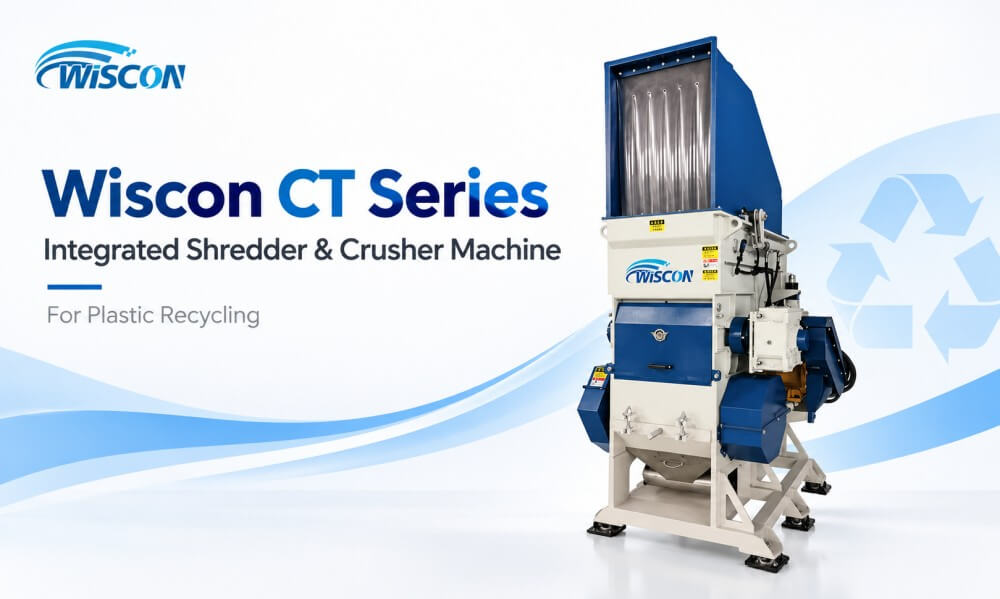 Why Are Integrated Shredder and Crusher Machines Gaining Attention in Solid Waste Recycling?
 200L Plastic Drum Shredder: How to Prevent Jamming and Improve Recycling Efficiency
 Is Leather Waste Recycling Profitable?
 How to Choose the Right Plastic Bucket Shredder for Small-Batch Paint Residue Plastic Recycling?
 Paper Mill Waste Recycling: Turning Paper Mill Rejects into RDF/SRF
