Hey there, if you’re knee-deep in the world of industrial operations, you know waste management isn’t just a chore—it’s a massive opportunity to cut costs and go green. Enter bulk waste shredders: these powerhouse machines are revolutionizing how factories and plants handle mountains of scrap. From chopping down bulky plastics and metals to streamlining the whole recycling loop, they’re not just tools; they’re game-changers for efficiency. In this post, we’ll unpack exactly how bulk waste shredders supercharge industrial recycling, with some real-talk tips and examples to get you thinking about your own setup.
 What Makes Bulk Waste Shredders a Must-Have for Industrial Waste Management?
Picture this: Your production line’s humming, but suddenly you’re staring down a pile of oversized waste that’s clogging up space and slowing everything to a crawl. That’s where bulk waste shredders step in. These industrial shredders are built to tackle everything from tough metals and dense wood to tricky e-waste and textiles, grinding them into bite-sized pieces that are way easier to deal with.
Why does this matter so much in industrial recycling? Well, without them, you’re stuck with manual handling that’s slow, error-prone, and a nightmare for compliance. Shredders flip the script by shrinking waste volume right off the bat—think up to 80% reduction in size—which means less storage headaches and smoother transport to recycling facilities. Plus, they help businesses hit those tough environmental regs without breaking a sweat. I’ve seen ops teams breathe a sigh of relief once they integrate one; it’s like giving your waste stream a turbo boost.
Streamlining Sorting: Why Shredding First Makes Recycling a Breeze
Let’s get real—one of the biggest bottlenecks in industrial recycling is sorting. You know the drill: sifting through jumbled heaps of mixed materials by hand? It’s exhausting and prone to mistakes. Bulk waste shredders cut through that chaos by pre-shredding everything into uniform chunks, turning a messy job into something almost… enjoyable? Okay, maybe not enjoyable, but definitely faster.
Take plastics, for instance. Once shredded, those tangled bales separate like a dream using air classifiers or density sorting. Metals? A quick magnet pull does the trick. The result? Cleaner streams of recyclables that lead to higher-quality outputs downstream. In my chats with recycling pros, they rave about how this alone slashes sorting time by half, freeing up crews for higher-value tasks. And efficiency-wise? You’re looking at lower labor costs and fewer mix-ups, which keeps your recycling rates climbing.
Speeding Up the Grind: Operational Wins from Faster Waste Processing
If efficiency’s your North Star, bulk shredder service deliver on speed like few other machines can. In high-volume spots like manufacturing plants, old-school waste handling—think forklifts, bins, and endless trips to the dump—eats hours and manpower. Swap that for a shredder, and you’re processing tons per hour with minimal fuss.
These solid waste shredders are versatile beasts, chomping through soft stuff like rubber or rigid hauls like scrap metal without missing a beat. That consistency means less downtime, smoother workflows, and more bandwidth for what you do best: making products. From what I’ve gathered in the field, companies using MSW shredders report productivity jumps of 30-50%, all while trimming those pesky operational expenses. It’s not magic—it’s mechanical muscle working smarter, not harder.
 Picking the Perfect Bulk Waste Shredder: A Buyer’s Quick Guide
Alright, so you’re sold—now what? Choosing the right industrial shredder isn’t about grabbing the shiniest model; it’s about matching it to your grind. Start with your waste type: Heavy-duty single-shaft shredders crush metals like pros, while twin-shaft ones handle fluffier loads like textiles without jamming.
Throughput’s key too—aim for a machine that matches your daily output, say 5-10 tons for mid-sized ops. Don’t skimp on power or footprint; a compact unit with solid horsepower keeps things humming in tight spaces. And hey, factor in upkeep: Look for models with easy-access parts and strong warranties to dodge those surprise repair bills.
Pro tip from the trenches: Chat with manufacturers who specialize in recycling systems. They’ll walk you through demos and even crunch numbers on ROI. Get it right, and your shredder won’t just pay for itself—it’ll transform your waste management into a profit center.
Real Stories: Bulk Waste Shredders Making Waves in the Real World
Nothing beats a good success story to drive it home. Take the auto sector: One major plant I read about was drowning in end-of-life vehicles until they rolled out bulk waste shredders. Boom—vehicles shredded in minutes, metals yanked out for reuse, plastics looped back into parts. Recycling rates shot up 40%, and they nailed EU waste directives with room to spare.
Or flip to plastics: A bottling giant used industrial shredders to pulverize post-consumer waste, feeding it straight into pelletizers for new bottles. Landfill diversions? Massive. Costs? Down 25%. These aren’t hypotheticals; they’re proof that shredders aren’t just efficient—they’re essential for that circular economy vibe everyone’s chasing.
 Wrapping It Up: Shred Your Way to Smarter Industrial Recycling
At the end of the day, bulk waste shredders aren’t a nice-to-have; they’re your ticket to leaner, greener industrial recycling. They slash sorting headaches, amp up processing speed, and let you pick a fit that’s custom-tailored to your hustle. Whether you’re in manufacturing, autos, or beyond, investing in one means real savings, happier teams, and a lighter footprint on the planet.
Ready to shred some inefficiency? Drop a comment below—what’s your biggest waste headache right now? Let’s chat solutions. And if you’re scouting options, check out top industrial shredder manufacturers: Wiscon for the latest in waste recovery tech. Your ops (and the earth) will thank you.


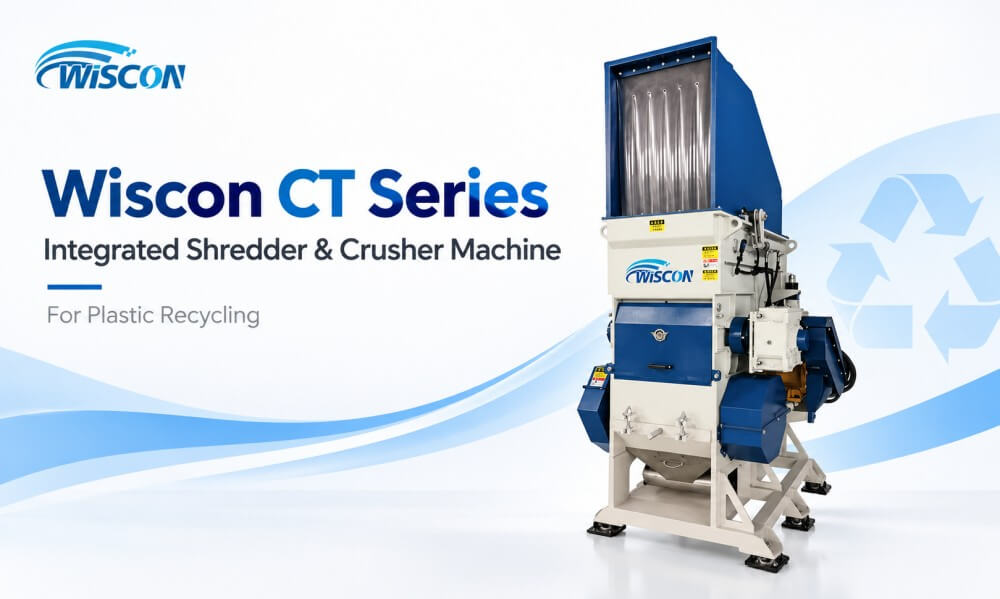 Why Are Integrated Shredder and Crusher Machines Gaining Attention in Solid Waste Recycling?
 200L Plastic Drum Shredder: How to Prevent Jamming and Improve Recycling Efficiency
 Is Leather Waste Recycling Profitable?
 How to Choose the Right Plastic Bucket Shredder for Small-Batch Paint Residue Plastic Recycling?
 Paper Mill Waste Recycling: Turning Paper Mill Rejects into RDF/SRF
