Automotive Shredder Residue (ASR) is a byproduct generated during the vehicle recycling process. This material is a complex blend of various substances, including plastics, metals, rubber, and glass. Managing ASR effectively is crucial to minimize environmental risks while recovering valuable resources. This article explores the key methods used to process ASR and their potential benefits and challenges.
 What Is ASR and How Is It Produced?
ASR forms during the dismantling and shredding of end-of-life vehicles. The process typically includes:
Disassembly of reusable components, such as wheels and engines.
Removal of hazardous materials, including batteries and fluids.
Shredding of the remaining vehicle body, followed by metal separation.
After extracting reusable metals, what remains is a mix of non-recyclable materials and residual substances known as ASR.
Landfilling ASR: Traditional Yet Problematic.
For years, ASR was disposed of in landfills due to its mixed composition. However, the presence of hazardous chemicals in plastics and other materials raises concerns about contamination of soil and groundwater. This has led to increasing restrictions on the use of landfills for ASR disposal.
Mechanical Recycling: Unlocking Resource Value.
Mechanical recycling involves sorting ASR into categories such as metals and polymers using techniques like magnetic separation and air separation, ASR shredder. Recovered polymers often contain wood and rubber, which can be utilized in innovative ways to support circular economy initiatives.
 Combustion: An Energy-Rich Option with Drawbacks.
ASR’s high calorific value makes it suitable for combustion, reducing its volume and weight. However, toxic emissions, such as dioxins, and the high cost of incinerator maintenance pose significant challenges.
High-Temperature Decomposition: A Promising Technology.
In oxygen-deficient conditions, ASR can undergo decomposition into oil, gases, and coke. This method shows great potential but faces practical issues, such as the poor thermal conductivity of plastics and adhesion problems during processing.
Gasification: An Advanced Approach to ASR Treatment.
Gasification converts ASR into gaseous fuels like carbon monoxide and hydrogen, offering a cleaner alternative to other thermal processes. By carefully controlling the process parameters, this method maximizes resource recovery while reducing environmental harm.
The Future of ASR Management.
Advancements in ASR treatment methods aim to balance environmental protection and resource recovery. Collaborating with specialized waste management firms can provide tailored solutions for effective ASR processing, aligning with sustainable development goals.
 The management of ASR is critical for both environmental conservation and resource efficiency. From mechanical recycling to advanced thermal processes like gasification, each method has its role in addressing the challenges of ASR. By embracing innovative technologies and professional expertise, we can turn waste into valuable resources and build a sustainable future.


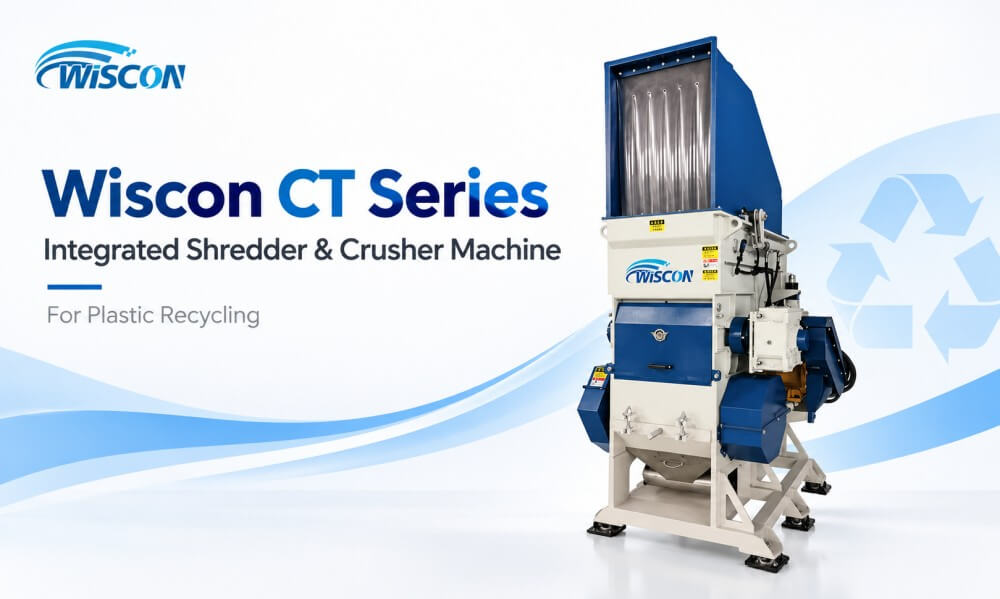 Why Are Integrated Shredder and Crusher Machines Gaining Attention in Solid Waste Recycling?
 200L Plastic Drum Shredder: How to Prevent Jamming and Improve Recycling Efficiency
 Is Leather Waste Recycling Profitable?
 How to Choose the Right Plastic Bucket Shredder for Small-Batch Paint Residue Plastic Recycling?
 Paper Mill Waste Recycling: Turning Paper Mill Rejects into RDF/SRF
